
Shug Monkey: The Shug Monkey is a mysterious creature from Cambridgeshire folklore, combining the body of a shaggy sheepdog with the face of a monkey.
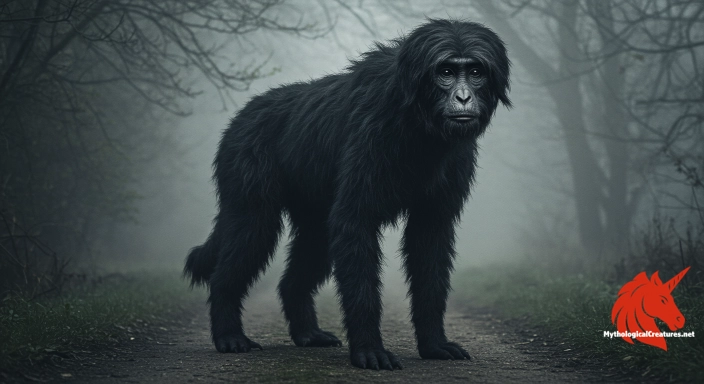
Shug Monkey
Shug Monkey - The Shug Monkey is a rare folkloric anomaly that combines distinctive animal traits with a supernatural, ghostly nature, reinforcing its role as a harbinger of eerie omens in Cambridgeshire.
the legend in five swipes.
the legend in five swipes.
Shug Monkey: How the Story Began
The Shug Monkey is a mysterious figure woven into the fabric of Cambridgeshire’s local lore, encapsulating both intrigue and fear. Emerging from rural tales and whispered legends along Slough Hill Lane, it is depicted as a spectral hybrid with characteristics borrowed from both canine and simian forms. Its uncanny form, combining the robust body of a jet-black, shaggy sheepdog with the unsettling, fixed gaze of a monkey’s face, sets it apart from more conventional ghost stories. Tales of its appearance have long captured the imagination of local communities, highlighting a dark chapter when the supernatural was intertwined with everyday life. The creature’s origins appear to straddle the boundary between pagan ritual and burgeoning Christian myth, reflecting deep-seated ambiguities about the nature of evil and otherness. Some interpretations hint at links to ancient Norse traditions, suggesting that its fearful visage might have been shaped by migratory cultural influences. The narrative of the Shug Monkey has been preserved primarily in oral history and early written accounts, making it a relic of a bygone era. Its story invites contemporary audiences to explore the intersections of culture, history, and myth in the English countryside.
What are the earliest texts about the Shug Monkey?
Surviving accounts of the Shug Monkey are primarily sourced from mid-20th century writings and local oral traditions, which together paint a vivid picture of this elusive entity. A notable contribution came from James Wentworth Day, whose 1954 work, Here Are Ghosts and Witches, offered one of the earliest documented descriptions of the creature. His narrative provided a detailed and eerie account that has influenced subsequent retellings. Local folklorists, including Polly Howat, have also provided interpretations that enrich our understanding of its origins and attributes, arguing for a common mythological thread with figures such as Black Shuck. Variants of the story often diverge on minor details while consistently preserving the essence of a supernatural guardian or demon. Different storytellers stress various aspects of its character, from its nocturnal manifestations to its imposing presence. Some recount encounters that imbue the story with a sense of imminent dread, while others hint at ritualistic or symbolic meanings behind its appearances. The composite nature of its narrative—promulgated through books, community recountings, and speculative scholarly musings—underscores its enduring appeal and the variability inherent in folk legends.
Shug Monkey: Appearance and Abilities
The physical appearance of the Shug Monkey is marked by an uncanny duality that merges contrasting animal features into one formidable form. At first glance, it presents the body of a large, jet-black sheepdog, its fur dense and dishevelled, evoking images of a spectral hound emerging from the mist. Intertwined with this canine frame is the face of a monkey, complete with a set of penetrating, unblinking eyes that seem almost luminescent in low light. The creature’s eyes, fixed and intense, contribute to an expression that is both primal and unnervingly intelligent. Its limbs appear robust, yet retain a certain dexterity, hinting at an agility not normally associated with a traditional dog. Some accounts describe subtle variations in size and proportions, suggesting that the creature could shift between a more robust canine silhouette and a slightly elongated primate form. The texture of its fur, often depicted as shaggy and wild, reinforces the impression of a being caught between the realms of the natural and the supernatural. Every aspect of its countenance—from the disconcerting blend of familiar animal traits to the overall spectral aura—reinforces its role as an icon of mystery and foreboding.
Shug Monkey: Regional Differences in the Legend
While the legend of the Shug Monkey is most firmly rooted in the folklore of Cambridgeshire, echoes of its narrative can be found in neighbouring regions and even broader British folklore. Variations in its telling have emerged over time as local communities adapted the story to their unique cultural impulses and geographical idiosyncrasies. In some parts of the countryside, the creature is depicted with an even more pronounced canine appearance, aligning it more closely with other ghostly dogs such as Black Shuck. Conversely, other local renditions accentuate its simian attributes, lending a bizarre twist to the creature’s overall visage. The adaptability of its description underscores a regional flexibility in folk storytelling, where saints, spectres, and demons are reshaped to reflect local landscapes and environmental moods. In certain village accounts, the Shug Monkey is entwined with specific landmarks, such as ancient lanes and wooded edges, imbuing the creature with a sense of territorial mystique. These regional adaptations illustrate how folk mythology does not remain static but evolves to mirror the changing fears and values of its audience. In each telling, the creature remains a potent symbol of the enigmatic forces that lurk at the margins of civilized life.
Shug Monkey: Similar Beings in World Folklore
The myth of the Shug Monkey resonates with several other legendary creatures found across European folklore, establishing it as part of a broader tapestry of spectral entities. Its close association with Black Shuck, a notorious ghostly hound from East Anglian tales, invites comparisons that underscore a shared motif of fearsome, supernatural canines. This hybrid creature, combining aspects of both dog and monkey, finds parallels in other cultural legends where composite beings challenge the boundaries of the known animal world. Similar to the enigmatic Cŵn Annwn of Welsh tradition, the Shug Monkey embodies the tension between the familiar and the unearthly, provoking both fascination and dread. The melding of disparate animal features also mirrors a common narrative device in myth, whereby attributes are combined to symbolise moral or natural forces. Comparisons can be drawn with other regional spirits that, through their hybrid nature, serve as metaphors for the unpredictable and often dual aspects of nature. These cross-cultural connections highlight how mythmakers utilise animal traits to articulate complex emotions such as anxiety, respect, and awe. In this way, the Shug Monkey not only fits within the local Caledonian framework but also contributes to an international dialogue on supernatural hybrid beings.
Who tells the story of the Shug Monkey now?
Over time, the figure of the Shug Monkey has transitioned from a source of acute local fear to a fascinating emblem of regional heritage and myth. Early accounts, recorded in an era when the supernatural was a vibrant element of everyday life, instilled in the creature a reputation as a fierce and haunting presence. Although sightings have dwindled and no modern reports have surfaced since the pre-World War II period, the legend retains a significant place in the cultural landscape of Cambridgeshire. Contemporary interpretations now consider the Shug Monkey as much a symbol of local identity as a mere ghost story, inspiring artists and writers alike. The creature is featured in various community events and local exhibitions which celebrate the mystical history of the region. Modern retellings often imbue the legend with a blend of nostalgia and playful mystery, inviting new audiences to reimagine an age-old spectral narrative. In the digital era, the Shug Monkey has found a niche in paranormal discussion groups and online folklore archives, further cementing its status as a cultural icon. Its evolution from a feared demon to a celebrated element of local lore underscores the dynamic nature of myth and the enduring power of storytelling in connecting past with present.
Interesting Fact
The Shug Monkey uniquely merges disparate animal traits with spectral qualities, serving as a compelling example of how regional folklore can incorporate elements from broader mythological traditions such as those of Norse origin.
Mythological Treasures
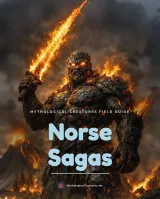
Norse Sagas: A field guide to the beasts of the Viking world
Drawn from the saga accounts themselves, with the powers, weaknesses and doom of each being set out.
Japanese Yokai: A field guide to the spirits and demons of Japanese folklore
Fifteen spirits, with the signs to watch for and what the old tales say to do if you meet one.
Greek Myths: A field guide to the monsters of ancient Greece
Every monster here earned its place in legend, and each gets a full page of artwork and the story behind it.
the legend in five swipes.
Sponsor this space
Tasteful, fixed-fee placements for myth projects
No bidding wars or flashing banners. We offer simple placements for a small set of creators and brands aligned with our readers.
Request further detailsQuick Creature Info
Origin:
Our Mythic Legendary Rating:

Habitat:
Supernatural Powers:
Physical Attributes:
Abilities:
Behavior:
Lore:
Related Creatures, Tales or Lore
- BBlack Shuck
- BBarghest
- CCŵn Annwn
References
Discover Another Mythical Legend You May Not Have Heard Of?
Uncover the mysteries of ancient folklore and expand your knowledge of legendary beings from cultures around the world.
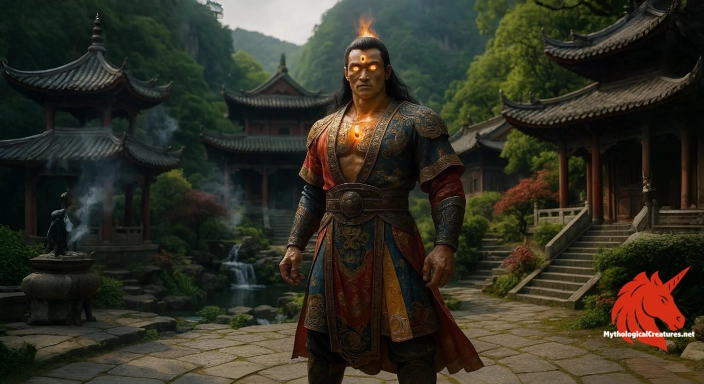
Dare to Meet the Huaguang Dadi....
The Mythological Creatures Book Series
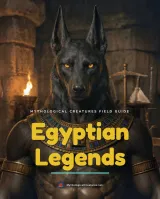
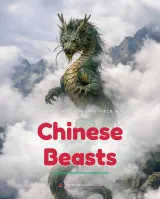
Yokai, Greek, Norse, Egyptian & Chinese. Five illustrated field guides to the creatures the old stories either warned or told you about.
Curated by the Mythological Creatures Team
Series editor: Mythological Creatures Directory
Primary desk: Northern & European Folklore Desk
(rev. November 2025)