
Sindri: Sindri is a prominent figure in Norse mythology known both as a master dwarf craftsman and as the namesake of a hall destined to house the virtuous after Ragnarök.
-20b85603-8642-4c50-96a6-0dab82f9ed1d_small.webp "Sindri - Sindri is significant for his legendary role in creating magical artifacts for the gods and for lending his name to a hall destined to be the abode of virtuous souls after Ragnarök, thereby uniting themes of creative artistry and sacred afterlife.")
Sindri
Sindri - Sindri is significant for his legendary role in creating magical artifacts for the gods and for lending his name to a hall destined to be the abode of virtuous souls after Ragnarök, thereby uniting themes of creative artistry and sacred afterlife.
the legend in five swipes.
the legend in five swipes.
Sindri: Origins and First Sightings
Sindri emerges as a remarkable figure in Norse mythology, embodying a dual identity as both a master craftsman dwarf and the namesake of a revered hall destined for virtuous souls after Ragnarök. His name, derived from the Old Norse word for "slag," evokes the primal transformations of fire and metal inherent in the forging process. In his guise as the dwarf, Sindri represents the creative ingenuity prized by the ancient Norse, while his association with the hall underscores themes of rebirth and spiritual refuge. The origins of his legend are intertwined with the early mythic narratives that celebrated dwarfs as essential co-creators in the cosmic order. His first attestations appear amid the complex tapestry of Norse myth, where gods and lesser beings collaborate to shape destiny. Sindri’s tale is further enriched by his familial connection to Brokkr, suggesting a dynamic interplay of rivalry and partnership in the realm of craftsmanship. The cultural context of his myth reflects a society deeply invested in the mystique of metalwork and the transformative power of the forge. His multifaceted legacy continues to symbolise both the artistry of creation and the hope of transcendence in the face of cosmic dissolution.
Which texts first mention Sindri?
The narrative of Sindri is preserved primarily through the poetic and prose traditions of Norse literature, where his exploits are interwoven with the broader saga of mythic craftsmanship. Early sources, including passages from the Eddas, acknowledge his alternate name, Eitri, and his significant role alongside his brother Brokkr. Variations of his story abound in skaldic verses and medieval manuscripts, each adding layers of nuance to his character and deeds. Some texts portray him solely as an unrivalled artisan, while others emphasise the symbolic importance of the hall that bears his name. A number of story variants expand the basic myth, blending the tangible aspects of metalworking with metaphysical themes of resurrection and afterlife. The surviving sources, though fragmentary at times, hint at a rich oral tradition where accounts of his talents and the magical properties of his creations were passed through generations. Local sagas and later folklore also adapt his tale to reflect the values and artistic traditions of different communities within the Norse world. This multiplicity of sources creates a vibrant mosaic of Sindri’s myth, encouraging ongoing reinterpretation and dialogue among scholars and enthusiasts alike.
How would you recognise Sindri?
Sindri, as depicted in various artistic renditions, possesses the characteristic traits of the Norse dwarfs, whose physical forms are both rugged and imbued with a mystic allure. His appearance is often visualised as short and stocky, with a complexion that seems to echo the texture of ancient stone and smelted metal. Intricate details such as a meticulously braided beard and eyes that sparkle with the fiery glow of the forge contribute to his distinguished visage. Many depictions incorporate symbols of his craft, including gauntlets or tools that hint at his unparalleled ability to manipulate metal and fire. His posture and demeanour exude both resilience and wisdom, suggesting a life shaped by the arduous demands of creative endeavour. Alongside his personification as a dwarf, the hall named after him is described with equal care, featuring richly carved runes and a structure that marries utilitarian design with ethereal beauty. The contrasting textures of rough, uneven workmanship and precise, almost otherworldly embellishments serve to highlight the dual nature of his legacy in both material and spiritual realms. Collectively, these physical descriptions work to cement Sindri’s identity as a being who is as much a master of the tangible world as he is an icon of enduring mythic symbolism.
The Geography of the Sindri Legend
The myth of Sindri exhibits notable variations across different regions of the Norse world, each reflecting local cultural traditions and stylistic preferences. In Scandinavian narratives, particularly those transmitted in Iceland and Norway, Sindri is celebrated foremost as an ingenious artisan whose craft rivalled the divine. Regional adaptations often merge his identity with local legends of exceptional metalworkers, thereby enhancing his reputation for precision and mystical expertise. In some traditions, the emphasis is placed on his role as a benefactor for the virtuous, with his hall portrayed as a celestial edifice in which the meritorious are granted eternal shelter. Rural Scandinavian communities have long admired the dwarf’s resourcefulness, integrating his tale into festivals dedicated to craftsmanship and the changing seasons. Variations in the portrayal of his character coalesce around subtle differences in attire, tools, and even the decorative motifs of the hall bearing his name. These localised reinterpretations serve not only as tributes to his legendary talent but also as a means of reinforcing community identity and values. Through the interplay of regional myth and folklore, the Sindri legend gains a complexity that underscores the adaptability and enduring appeal of Norse mythological traditions.
Sindri: Related Figures Across Cultures
Sindri’s mythological profile resonates with similar figures in other ancient traditions, drawing interesting parallels between diverse cultural narratives of cosmic craftsmanship. Much like his Norse counterparts, many Indo-European cultures feature master smiths whose creative prowess is interlaced with divine intervention and transformative power. In both Germanic and Celtic lore, dwarfs and blacksmith deities are celebrated for their ability to forge objects of immense power, echoing Sindri’s famed workmanship. The duality of his existence, as both a tangible artisan and a symbolic guardian of a sacred afterlife hall, finds a counterpart in other mythic figures who straddle the worlds of the material and the spiritual. Comparisons can also be made with figures such as Hephaestus in Greek mythology, where the act of creation is revered as an art form that bridges the mortal and the divine. These cross-cultural connections highlight the universal archetype of the master craftsman, whose skills give shape to the metaphysical constructs of their respective mythologies. The recurring motif of transformation through fire and metalwork appears in varied cultural narratives, reinforcing the idea of creative destruction as a pathway to renewal. In this comparative analysis, Sindri stands out as a richly layered character whose myth continues to inspire parallels across time and geography.
Why does Sindri still matter?
The legacy of Sindri has evolved remarkably from its early inscriptions in Norse lore to its vibrant reinterpretations in modern cultural expressions. His original mythic roles—as both an unparalleled craftsman and a symbolic refuge for the virtuous post-Ragnarök—have been continuously reimagined over the centuries. Classical sources once confined his story to the technical world of metalwork and the mystique of ancient rituals, yet later narratives expanded his influence to encompass broader themes of transformation and resurrection. Contemporary fantasy literature, films, and video games often draw inspiration from Sindri’s dual nature, portraying him as a prototype for richly developed dwarf characters. Modern adaptations tend to celebrate both his earthly craftsmanship and the ethereal quality of the hall that bears his name, weaving these elements into narratives that appeal to today's audiences. His image is frequently invoked to underscore the timeless virtues of creativity, resilience, and the transformative power of art. Academic and popular discourses alike explore his myth not only as a relic of a bygone era but as a dynamic symbol capable of adapting to modern sensibilities. Thus, Sindri’s enduring legacy continues to serve as a bridge between ancient myth-making and the ever-evolving landscape of contemporary storytelling.
Interesting Fact
It is unique for a mythological figure to embody both a living, skilled artisan and an architectural concept that promises a divine afterlife, reflecting a profound duality in Norse myth.
Mythological Treasures
Norse Sagas: A field guide to the beasts of the Viking world
Drawn from the saga accounts themselves, with the powers, weaknesses and doom of each being set out.
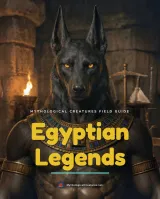
Egyptian Legends: A field guide to the gods and monsters of ancient Egypt
Guardians of the living and devourers of the dead, with the role each played in judgement.
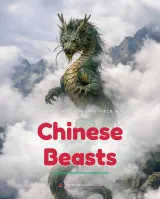
Chinese Beasts: A field guide to the dragons and demon kings of Chinese myth
From river dragons to demon kings, with the legends that shaped five thousand years of storytelling.
the legend in five swipes.
Mythology commerce, done carefully
Align your store with our global myth audience
If you sell myth-inspired jewellery, prints, decks, or collectibles, we can feature your brand without overwhelming the reading experience.
Partner with usQuick Creature Info
Origin:
Features:
Associations:
Our Mythic Legendary Rating:

Also Sometimes Known As:
Habitat:
Supernatural Powers:
Physical Attributes:
Abilities:
Behavior:
Lore:
Related Creatures, Tales or Lore
- DDvalinn
- AAlviss
References
Discover Another Mythical Legend You May Not Have Heard Of?
Uncover the mysteries of ancient folklore and expand your knowledge of legendary beings from cultures around the world.
Dare to Meet the Þrúðgelmir....
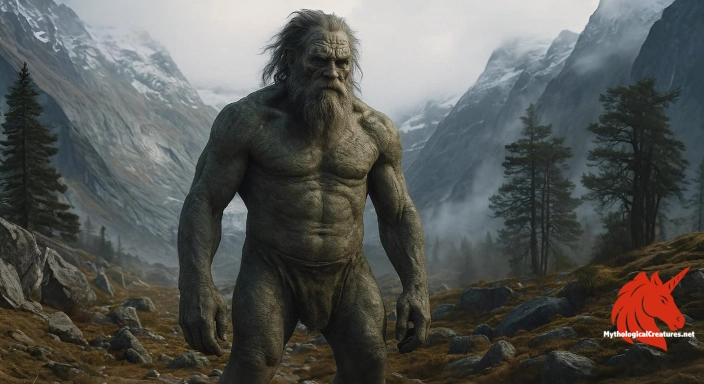
The Mythological Creatures Book Series
Yokai, Greek, Norse, Egyptian & Chinese. Five illustrated field guides to the creatures the old stories either warned or told you about.
Curated by the Mythological Creatures Team
Series editor: Mythological Creatures Directory
Primary desk: Northern & European Folklore Desk
(rev. November 2025)