
Snake goddess: The Snake Goddess is a multi-cultural deity symbolizing protection, fertility, and transformation through serpentine imagery.
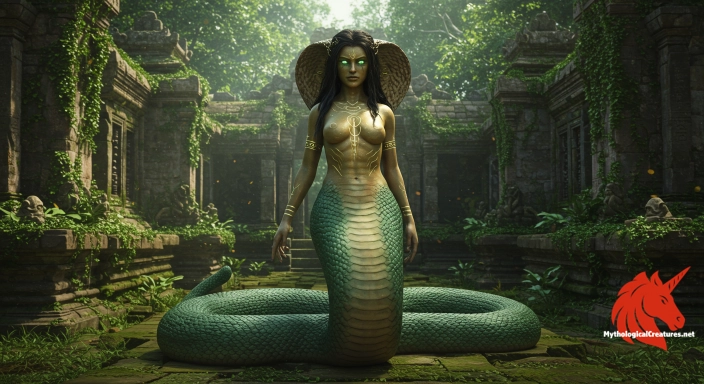
Snake goddess
Snake goddess - Represents the dual nature of creation and destruction, embodying both divine protection and transformative power
Origins & First Encounters
The embodiment of the snake goddess archetype stretches across ancient cultures, weaving a tapestry of mystique and power that continues to intrigue modern audiences. Her origins lie in the symbolic depth of the serpent, revered for its ability to shed its skin and transform, a metaphor for rebirth and renewal. Early attestations in Egyptian temples and Minoan artefacts reveal her multifaceted nature, where she is depicted as both a nurturing force and a protector. The motif of the snake goddess emerged in civilizations that sought to capture the duality inherent in nature—the capacity for both healing and danger. In Egyptian narratives, goddesses like Wadjet and Renenutet are gracefully intertwined with royal iconography and cosmic order, which underscores her protective and vital seat in myth. The Minoan figurines, marked by flowing lines and enigmatic expressions, highlight a celebration of female fertility and the mysteries of earth and nature. Her presence in various mythic traditions suggests that societies have long recognised a deep, intrinsic link between serpent imagery and the cyclical processes of life. Over time, this enduring symbol has transcended borders, echoing through millennia as a testament to the timeless allure of feminine divine energy.
Source Texts & Tale Variants
Ancient artistic depictions and literary records form the backbone of our understanding of the snake goddess, with varied accounts preserved in temple reliefs, stone carvings, and sacred figurines. Egyptian monuments present vivid images of Wadjet and Renenutet, where the serpent's form is intricately rendered to evoke protection and sustenance. Minoan archaeological discoveries provide striking figurines that celebrate the sinuous grace of the female form, each adorned with serpentine motifs that hint at ritualistic significance. Greek sources introduce Medusa, whose evolving portrayal from a revered guardian figure to a symbol of both beauty and terror reflects a complex narrative arc. In the realm of Hindu mythology, the celestial Naga Kanya emerges in temple sculptures and folklore, standing out with a depiction that balances vulnerability with inherent power. Local narrations in Sri Lanka, where Nagapooshani is revered, further embellish the mythology through diverse oral traditions and regional dances. Story variants across these cultures reveal that while the imagery remains consistent, the attributes and roles of these deities differ, lending each account its own unique flavour. Collectively, these primary sources demonstrate a rich interplay between visual art and narrative tradition that has kept the serpent goddess a vibrant figure in mythology through the ages.
Form & Powers
Visually, the snake goddess is rendered as a figure of sublime duality, merging the grace of a human form with the fluid, undulating qualities of a serpent. Her depiction often features a human head and torso, seamlessly transitioning into a sinuous serpentine lower half, symbolising the union of the mortal and the divine. Egyptian portrayals might include a crown or uraeus, where the reptilian aspect not only personifies danger but also conveys royal protection and wisdom. In many Minoan artefacts, she is shown with intricately detailed features, such as elongated eyes that mirror the mysterious glimmer of a serpent's gaze. The fabled interplay of scales and soft, flowing hair accentuates her otherworldly nature, suggesting a divine ability to navigate both the terrestrial and the ethereal. Some representations include entwined serpents that serve as both adornment and emblematic protection, enhancing her role as a guardian. A kaleidoscope of artistic interpretations exists, with variations in size—from delicate, handheld figurines to imposing temple reliefs—each emphasising different aspects of her sacred dualism. Every visual detail is designed to evoke the paradox inherent in the serpent's symbolism, marrying notions of creation, regeneration, and a latent, formidable potency.
Regional Faces
The symbolism and portrayal of the snake goddess vary distinctly across regional cultures, each imbuing her with traits aligned to local theological and societal values. In the deserts and Nile banks of Egypt, goddesses like Wadjet and Renenutet are woven into the fabric of pharaonic rule, where her serpentine image serves as a protective emblem and an embryonic symbol of nourishment. Across the Aegean, Minoan representations of the snake goddess are closely linked with fertility and the renewal of nature, manifesting in delicate figurines that accentuate a celebration of life and regeneration. In Greek narratives, Medusa’s venomous beauty and her later recontextualisation as a guardian figure display a dramatic transformation reflective of cultural retellings. Meanwhile, in South Asia, the depiction of Naga Kanya and her Sri Lankan counterpart, Nagapooshani, blends celestial attributes with terrestrial mysticism, where the hybrid form of woman and snake captures both grace and latent danger. These regional adaptations highlight the interplay between local mythic traditions and the ubiquitous symbolism of the serpent. Variations in attire, iconography, and narrative function across different cultures underscore the adaptability of this mythic figure in responding to diverse societal needs and spiritual insights. Such rich geographical diversity cements the snake goddess as a dynamic and regionally nuanced figure in the mythological canon.
Cultural Parallels
Across the global mythological landscape, the snake goddess shares resonances with a myriad of serpentine deities and symbols, each reflecting shared human impulses and inner conflicts. In Mesoamerica, the feathered serpent deity Quetzalcoatl presents a parallel blend of the earthly and celestial, emphasising themes of creation and cyclical existence that are echoed in the snake goddess motif. South Asian traditions abound with Nāga figures, whose dual nature as both benevolent guardians and dangerous beings mirrors the multifaceted attributes of the snake goddess. In European lore, while figures such as Jörmungandr focus on apocalyptic imagery, the underlying notion of renewal and the mystique of the serpent reveal a universal symbolic language. The delicate balance between protection and peril, nurturing and destruction, finds comparable expression in these diverse deities, suggesting a shared ancient understanding of nature’s dual forces. Both the snake goddess and her cultural counterparts exhibit a connection to rituals of rebirth, healing, and the cyclical nature of time. By comparing these figures across varied mythic systems, it becomes evident that the serpent is a powerful archetype transcending geographical boundaries. This cross-cultural synthesis offers insight into collective human consciousness, where the enduring image of the serpent bridges disparate traditions and speaks to a common heritage of mystery and transformation.
Legacy & Modern Evolution
The enduring allure of the snake goddess transcends antiquity, evolving from a specific ritual icon into a symbol reinterpreted by modern cultural and artistic movements. Over centuries, from the sacred temple reliefs of ancient Egypt and Crete to contemporary artistic mediums, her image has been continuously reimagined to address new social and spiritual paradigms. Modern re-envisionings often cast her as an icon of feminist empowerment, with her dual nature representing the strength and complexity of womanhood. Contemporary literature and visual arts have reworked her symbolism to explore themes of regeneration, healing, and the inextricable link between destruction and creation. Neo-pagan and eco-spiritual movements have embraced her as a potent emblem of nature’s cyclicity and the enduring vibrancy of life. Films, digital media, and popular culture now occasionally portray her as both a seductive mythic figure and a fierce protector of ancient wisdom. The evolution of her narrative also reflects a broader interest in re-examining pre-modern belief systems and uncovering the hidden layers of ancient feminine power. As such, the snake goddess continues to stand as a dynamic testament to the transformative power of myth, bridging venerable tradition with the progressive visions of the modern world.
Interesting Fact
Despite the diverse cultural portrayals, the Snake Goddess consistently embodies the paradox of danger and nurture, with serpentine features that inspire both awe and reverence.
Partner with us
Sponsor this space
Reach thousands of mythology enthusiasts with a curated placement on our creature pages.
Learn about sponsorshipQuick Creature Info
Features:
Associations:
Our Mythic Legendary Rating:

Also Sometimes Known As:
Habitat:
Supernatural Powers:
Physical Attributes:
Abilities:
Behavior:
Lore:
Related Creatures, Tales or Lore
- MMeretseger
- MMedusa
- NNaga Kanya
- RRenenutet
- WWadjet
- NNagapooshani
References
Discover Another Mythical Legend You May Not Have Heard Of?
Uncover the mysteries of ancient folklore and expand your knowledge of legendary beings from cultures around the world.
Dare to Meet the Buraq....
Curated by the Mythological Creatures Team
Series editor: Mythological Creatures Directory
Primary desk: Hellenic & Ancient Mediterranean Desk
(rev. November 2025)