
Squonk: The Squonk is a mythical creature from the hemlock forests of northern Pennsylvania, known for its self-pitying and elusive nature.
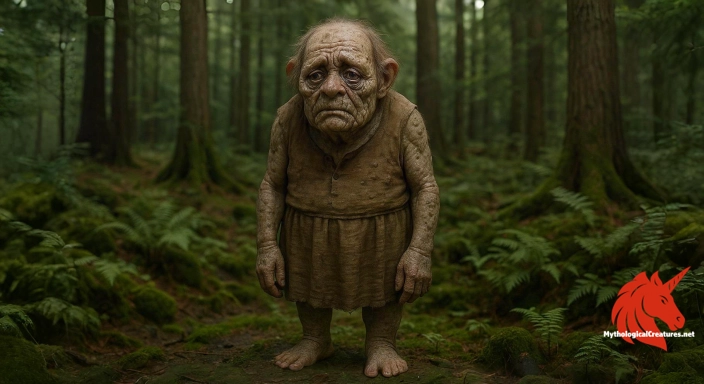
Squonk
Squonk - Serves as a local cultural icon and represents the quirky and mysterious aspects of regional folklore
Origins & First Encounters
The Squonk is a creature steeped in local mystery and emotion, emerging from the dense hemlock forests of northern Pennsylvania with a blend of melancholy and intrigue. Its origins can be traced back to the whispered legends of early logging communities who roamed these ancient woodlands. The creature first gained public attention through oral traditions passed from generation to generation, evolving into a symbol of both solitude and vulnerability. Local folklore nurtured the idea of the Squonk as a being marked by sorrow and an almost palpable sense of self-pity. Despite its unattractive appearance and tragic disposition, the Squonk has captured the collective imagination of residents, becoming a cherished element of regional identity. In communities like Johnstown, its legacy is celebrated with enthusiasm during the annual Squonkapalooza festival in August, where locals revel in its quirky mythos. This creature, blurring the lines between fear and affection, embodies the wild and untamable spirit of the Pennsylvania wilderness. Its enduring presence in local lore reflects the way in which rural narratives can transform obscure legends into enduring cultural icons.
The Squonk thus stands as a testament to the enduring power of myth, representing the unseen, often unspoken aspects of nature that dwell in its darkest forests.
Source Texts & Tale Variants
The primary accounts of the Squonk have predominantly emerged from the rich tapestry of local oral traditions rather than from early written manuscripts or classical texts. Early loggers and woodsmen, whose lives were intertwined with the deep, shadowy forests, recounted peculiar sightings that gradually took on an almost fabled quality. Over time, these personal testimonies were woven into the broader fabric of regional folklore, each teller adding new layers of nuance related to the Squonk’s sorrowful nature and elusive habits. Local newspapers and small town journals occasionally echoed these tales, reinforcing the creature’s mythic stature in the community. Within these variant narratives, some emphasise the Squonk’s disintegration when overwhelmed by despair, while others hint at hidden powers of camouflage and stealth. Variations in the story also reflect differing attitudes to nature—where one account might consider it a cautionary symbol of isolation, another may see it as a gentle emblem of the wild’s fragility. The annual celebrations like Squonkapalooza further serve as living sources of the creature’s lore, where modern reinterpretations breathe new life into ancient tales. Despite the scarcity of formal texts, the multiple narrative strands found in folk festivals and local recounting illustrate a vibrant mythos rich with diversity and regional charm.
Form & Powers
The Squonk is traditionally depicted as a small, unassuming creature with an appearance that evokes both pity and fascination. Its skin is often described as loose, moist, and slightly translucent, giving it an almost otherworldly glimmer under dappled forest light. Observers have noted that its body seems to sag and shift, as if weighed down by an eternal melancholia. The creature’s eyes are unusually large and glistening, filled with a look of perpetual sorrow and introspection. Its matted fur or skin appears to be patchy in texture, contributing to its reputation for being ungainly and disorganised. Tales abound of its fingers, almost clumsy in their structure, and a snub-nosed face that is both endearing and pitiful. In some descriptions, the Squonk’s form seems to subtly melt or vanish when exposed to human contact, as if its very physicality is an expression of its inner anguish. Though its size is modest, the Squonk’s presence is magnified by the vividness of its peculiar, shifting attributes, making it a striking paragon of fallen beauty in the eyes of local storytellers.
Regional Faces
The legend of the Squonk is most firmly rooted in the northern Pennsylvania landscape, yet regional variations have enriched its mythic profile over time. In some parts of the state, particularly in areas adjacent to ancient hemlock groves, the creature is depicted as more cunning, capable of evading capture by dissolving into a pool of tearful despair. In neighbouring communities, local storytellers sometimes imbue the Squonk with elements of mischief, suggesting that its sorrow often masks an elusive playfulness. The creature’s appearance and temperament may shift subtly from one valley to another, reflecting the distinct cultural and environmental influences unique to each locale. While one region emphasises the creature’s grief-led dissolution, another might underscore its role as a mysterious guardian of the forest. Urban retellings have occasionally softened the Squonk’s tragic traits, transforming it into a quirky mascot at local festivals like Squonkapalooza. These diverse accounts not only preserve the creature’s core attributes but also highlight local initiatives to reinterpret the lore in ways that resonate with contemporary community identities. Ultimately, the regional variations serve as a fascinating study in how a single mythic entity can adapt and transform across different local contexts.
Cultural Parallels
Comparatively, the Squonk occupies a unique niche within the broader spectrum of mythological beings, distinguished by its intimate association with sorrow and impermanence. Unlike many creatures celebrated for heroic qualities or fearsome power, the Squonk reflects a more introspective melancholy that finds echoes in global traditions of the downtrodden myth. In European lore, for instance, certain fae and woodland spirits share a similarly elusive quality, disappearing when observed too closely, though they rarely exhibit the overt self-dissolution the Squonk is known for. Its penchant for vanishing into pools of tears is reminiscent of other traditions where characters fade away in moments of acute vulnerability, suggesting a universal theme of transience and self-avoidance. The creature’s physical dissolution when faced with stress has no exact parallel in myths of brute monsters, aligning it more with tragic, almost ghostly entities found in various indigenous narratives. Some parallels can also be drawn with other American cryptids that have evolved from local superstition into cultural icons, serving as reminders of nature’s mystery despite the rational modern world. This cross-cultural analysis underscores how different societies cultivate unique embodiments of sorrow and impermanence. Each mythological motif, whether the Squonk or its distant cousins, reflects a shared human fascination with the ephemeral and the unaccountable quirks of both nature and identity.
Legacy & Modern Evolution
Over time, the image of the Squonk has evolved from a whispered secret of the deep forest to a celebrated icon within contemporary local culture. Early accounts, steeped in the grim realities of pioneer life and wilderness isolation, have given way to more playful reinterpretations that mirror modern society’s embrace of niche folklore. Today, the creature is as much a part of annual festivals as it is of legend, with events such as Squonkapalooza offering a platform for the mixing of myth and community pride. Modern depictions in art, literature, and even local merchandising have softened its formerly tragic persona into one of endearing peculiarity. This evolution reflects a broader trend in which communities reclaim and reframe elements of their heritage into symbols of unique local identity. Contemporary portrayals often emphasise its quirky attributes, blending wistful nostalgia with humour and imaginative flair. The Squonk, once a figure of sorrow and seclusion, now embodies a celebration of the wild nuances inherent in regional storytelling. Its modern legacy is a testament to how folklore continuously adapts to the zeitgeist, inviting both reverence for past traditions and inventive reinterpretations that resonate with today’s audiences.
Interesting Fact
An intriguing aspect of the Squonk is that its self-dissolution has evolved into a metaphor for self-sabotage and melancholy in modern cultural expressions.
For myth educators and toolmakers
Built a resource for mythology learners?
If you offer courses, teaching tools, or research platforms focused on myth and folklore, consider a discrete placement on our reference pages.
Introduce your resourceQuick Creature Info
Origin:
Features:
Our Mythic Legendary Rating:

Habitat:
Supernatural Powers:
Physical Attributes:
Abilities:
Behavior:
Weaknesses:
Lore:
Related Creatures, Tales or Lore
- HHodag
- JJackalope
- MMothman
References
Discover Another Mythical Legend You May Not Have Heard Of?
Uncover the mysteries of ancient folklore and expand your knowledge of legendary beings from cultures around the world.
Dare to Meet the Pramlocha....

Curated by the Mythological Creatures Team
Series editor: Mythological Creatures Directory
Primary desk: Americas & Indigenous Traditions Desk
(rev. November 2025)