
Hodag: The Hodag is a legendary, massive beast from American folklore, notable for its bull-like horns and a distinctive row of curved spines along its back.

Hodag
Hodag - Represents the manifestation of mistreatment and serves as a cautionary tale within logging folklore.
the legend in five swipes.
the legend in five swipes.
Hodag: How the Story Began
The hodag emerges from American folklore as an enigmatic beast intertwined with the rustic spirit of Wisconsin and the imaginative legacy of regional tall tales. Born from the ashes of cremated oxen, this creature is steeped in a mythic origin that speaks to both the cruelty and resilience found in the landscape of early American rural life. Its narrative was first cemented in local lore, where the dramatic combination of horror and humour captured the attention of communities in Rhinelander. Over time, the hodag became more than just a monstrous figure; it symbolised the complex interplay between human exploitation and nature’s enigmatic response. Early storytellers wove its fearful presence into cautionary and entertaining narratives that resonated with both locals and passing travellers. The creature’s legend also served as a subtle critique of mistreatment, transforming sorrow into folklore. Its inclusion in Paul Bunyan stories further cemented its place in the pantheon of American myth, blending tall tale exaggeration with regional pride. Ultimately, the hodag’s enduring appeal lies in its ability to encapsulate the wild landscape, historical grievances, and creative spirit of its origins.
Where is the Hodag written about?
Accounts of the hodag are derived primarily from local folklore and the vibrant oral traditions that have populated Wisconsin’s cultural history. Early descriptions appeared in local newspapers, carnival pamphlets, and community anecdotes that celebrated both the terrifying and the absurd. Folktales passed down among lumberjacks and rural inhabitants provided a patchwork of narratives that often conflicted yet enriched the overall myth. Some versions of the story portray the creature as a vengeful spirit born from injustice, while others imbue it with a mischievous, almost playful character. The incorporation of the hodag into Paul Bunyan lore broadened its reach beyond Rhinelander, allowing national audiences to partake in its mystique. Although formal historical texts offering systematic evidence are scarce, the varied literary references attest to its place in American storytelling. Community festivals and local guidebooks have since maintained a vibrant record of the hodag’s legacy. Through these diverse sources, the hodag continues to enthral those who encounter its legend, reflecting a rich mixture of historical context and folkloric invention.
What does the Hodag look like?
The physical character of the hodag is crafted with striking detail, merging features reminiscent of a bull with those of a fearsome carnivore. Its robust, muscular frame suggests immense strength, reinforced by a thick hide that appears nearly impervious to the harshness of the wilderness. Dominating its visage are a pair of large, curved horns that lend an imposing silhouette against the backdrop of untamed forests. A row of thick, curved spines extends along its back, accentuating its savage nature and providing a natural armour. The creature’s eyes are often depicted as glimmering with a wild intensity, evoking both danger and a mysterious intelligence. Descriptions vary, with some accounts suggesting that the hodag’s size rivals that of powerful land animals, while others amplify its dimensions into the realm of the fantastical. Its limbs are sturdy and clawed, suited for both swift movement and brutal combat. Every aspect of its anatomy—from the sinewy tail to the broad, menacing jaws—has been meticulously imagined, ensuring that the hodag remains a vivid and unforgettable embodiment of myth.
Which regions tell stories of the Hodag?
Within its native Wisconsin, the hodag has been embraced as a distinctive emblem of local heritage, with Rhinelander standing as the central hub of its mythological tradition. Regional storytellers have adapted its legend to mirror local experiences and the terrain, often imbuing the creature with attributes that resonate with community identity. In some localised accounts, the hodag plays the role of a wild guardian of the forests, reflecting both the beauty and danger of nature. Elsewhere, its narrative is rendered with a humorous twist, highlighting its absurdity as much as its menace. Variations in detail, such as differences in horn curvature or spine arrangement, underscore the fluid nature of its portrayal across neighbouring communities. Local art, sculpture, and folklore festivals actively reinvent the hodag, ensuring its story remains dynamic and interconnected with regional pride. Such diverse adaptations allow the creature to serve as a cultural mirror, reflecting changing attitudes and values over time. The hodag’s regional presence continues to evolve, fusing traditional themes with modern reinterpretations to captivate new audiences.
Legends Comparable to That of the Hodag
The hodag’s composite form invites a fascinating comparison with other mythological hybrids found in various cultures around the world. Similar to North American creatures like the jackalope, the hodag blends traits from multiple animals to create a figure that is as baffling as it is iconic. Its bull-like horns and rugged, spined back evoke images of fantastical beings in both European bestiaries and indigenous mythologies, each crafted to embody the mysteries of the natural world. Both revered and ridiculed, such creatures often serve as metaphors for the unpredictable interplay between man and nature. Whereas some European legends imbue their mythic beasts with moral allegories, the hodag is celebrated with an ambivalence that balances awe with local humour. Cross-cultural comparisons highlight that these hybrid creatures are commonly used to symbolise nature’s untamed spirit and the human impulse to explain the inexplicable. Literary and artistic representations across continents reveal shared motifs of transformation, resilience, and the subversion of natural order. In this light, the hodag stands as a compelling example of how regional folklore can both mirror and diverge from global mythological traditions.
Where does the Hodag appear in films and games?
Over the years, the hodag has transitioned from a fearsome folkloric figure to a beloved emblem of regional identity and creative expression. Its early portrayals—as a monstrous avenger born of cruelty—have gradually given way to reinterpretations that celebrate its eccentric charm and symbolic resonance. Local communities now harness its image to foster cultural tourism, complete with festivals, statues, and artistic renderings that capture its unique spirit. The hodag’s evolution reflects broader shifts in the way society embraces and reinvents its mythic heritage, turning figures of dread into icons of pride and ingenuity. Modern storytelling has recontextualised its origins, linking its narrative to themes of environmental respect and the redemptive power of folklore. Digital media, art installations, and merchandise have all contributed to a revived interest that bridges the gap between traditional lore and contemporary culture. This enduring legacy illustrates how myth adapts to the times, reshaping itself to reflect current values while honouring its storied past. Today, the hodag remains a vibrant testament to the power of regional myth-making, continuing to inspire and engage audiences well into the modern era.
Interesting Fact
An intriguing aspect of the hodag is its origin, as it is said to be the physical manifestation of the accumulated abuses suffered by oxen, adding a layer of social commentary to its legendary status.
Mythological Treasures
Norse Sagas: A field guide to the beasts of the Viking world
Drawn from the saga accounts themselves, with the powers, weaknesses and doom of each being set out.
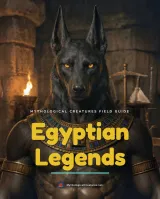
Egyptian Legends: A field guide to the gods and monsters of ancient Egypt
Guardians of the living and devourers of the dead, with the role each played in judgement.
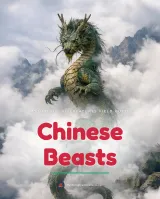
Chinese Beasts: A field guide to the dragons and demon kings of Chinese myth
From river dragons to demon kings, with the legends that shaped five thousand years of storytelling.
the legend in five swipes.
Reach myth fans
Connect your myth-driven brand with this audience
Our readers are writers, educators, gamers, and collectors who care about mythology. Enquire about a limited sponsor placement on creature pages.
Enquire about sponsorshipQuick Creature Info
Origin:
Features:
Associations:
Our Mythic Legendary Rating:

Habitat:
Supernatural Powers:
Physical Attributes:
Abilities:
Behavior:
Lore:
Related Creatures, Tales or Lore
References
Discover Another Mythical Legend You May Not Have Heard Of?
Uncover the mysteries of ancient folklore and expand your knowledge of legendary beings from cultures around the world.
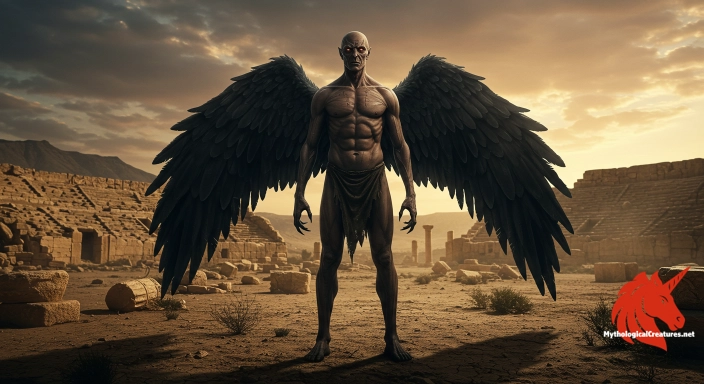
Dare to Meet the Mastema....
The Mythological Creatures Book Series
Yōkai, Greek, Norse, Egyptian & Chinese. Five illustrated field guides to the creatures the old stories either warned or told you about.
Curated by the Mythological Creatures Team
Series editor: Mythological Creatures Directory
Primary desk: Americas & Indigenous Traditions Desk
(rev. November 2025)