
Strzyga: Strzyga is a female demon from Slavic mythology known for her vampiric traits.
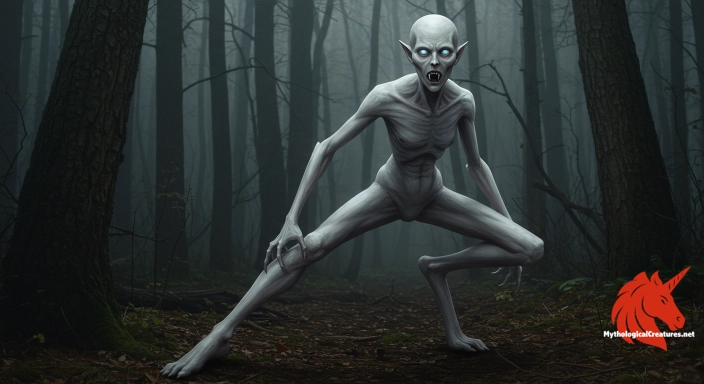
Strzyga
Strzyga - Embodies cultural fears of the undead and serves as a cautionary figure in folklore.
Origins & First Encounters
The strzyga emerges from the mists of Slavic legend as a figure of both dread and dark allure, rooted deeply in Polish and Silesian cultural memory. Born from an ancient blend of myth and superstition, this female demon combines elements of mystery with the terror of the unknown. Its origins trace back to ancient pre-Christian beliefs, later interwoven with Greco-Roman ideas of the strix, a nocturnal bird of ill omen. Early accounts, preserved through oral storytelling, have painted the strzyga as a spectral entity that straddles the boundary between life and death. Through the centuries, her image evolved from a mere ghostly presence to a symbol laden with moral and existential overtones. Communities viewed her not only as a harbinger of doom but also as a mirror reflecting societal fears of the uncontrollable and inexplicable. The creature’s dual nature, at times both seductive and terrifying, underscores a complex interplay between beauty and decay. Deeply embedded in folklore, her narrative has always served as a cautionary tale of transgression and the inevitable consequences of mortal sin. The enduring legacy of the strzyga continues to provoke both fascination and dread in modern cultural interpretation.
Source Texts & Tale Variants
Historical mentions of the strzyga are dispersed across a rich tapestry of medieval manuscripts and vibrant oral traditions. Written records from ancient texts in Central Europe hint at early interpretations that were as diverse as the regions from which they sprang. Folkloric ballads and local legends consistently recount tales of a cursed woman who roams the night, feeding on the life force of the living. Various versions of the myth illustrate her transformation from a mortal to an unholy being, revealing a narrative steeped in both tragedy and supernatural vengeance. Some accounts detail her origins in cosmic misfortune, while others stress a personal, dramatic fall from grace. The narrative is further enriched by regional storytellers who have infused local flavour and varying elements into her chronicle. Over time, these stories adapted to shifting societal norms and the changing landscape of myth, capturing a broad spectrum of human emotion and fear. The multiplicity of sources not only enriches her legend but also highlights the dynamic nature of folklore as it is passed from one generation to the next. Each retelling has brought new dimensions to her character, ensuring that the myth remains both fluid and endlessly intriguing.
Form & Powers
Visually, the strzyga is portrayed as an enigmatic and uncanny figure, blending both human and supernatural traits into her appearance. She is often depicted with an ethereal pallor that renders her skin almost translucent in the moonlight, while her eyes glow with an unsettling intensity. Some descriptions elaborate on her possessing a dual set of eyes or even hearts, hinting at her abnormal, otherworldly origin. Her hair, typically dark and unkempt, cascades like a veil of shadows, further accentuating her spectral allure. Fine details, such as elongated nails and a gaze that seems to pierce the veil of mortal existence, add to the eerie charm of her persona. Various accounts mention subtle, almost imperceptible, markings on her skin that resemble ancient runes, evoking a sense of forgotten magic. The contrast between her disturbing, predatory features and a strangely compelling beauty creates a complex visual that is both repulsive and magnetically attractive. Often, her form is described as mercurial, capable of shifting from a delicate silhouette by day to a terrifying nocturnal predator. These physical attributes, steeped in myth and ambiguity, have cemented her image as one of the most memorable and enigmantic entities in Slavic lore.
Regional Faces
The portrayal of the strzyga varies considerably across different regions, accentuating unique cultural anxieties and traditions. In Polish lore, she is frequently depicted as a vengeful spirit born from personal tragedy, embodying both sorrow and malice. Silesian recountings, on the other hand, sometimes imbue her with an air of mysticism, linking her to local customs and seasonal rites. Variants in Eastern Slavic traditions meld her identity with the broader theme of vampires, emphasising her blood-drinking nature and nocturnal predations. In some regions, a distinction is drawn between a living curse and a revenant spirit, with local legends meticulously detailing specific markers of her appearance and behaviour. Community narratives often adapt her myth to serve as a moral warning, reflecting localized notions of sin, retribution, and the supernatural. These regional adaptations have not only enriched her character but have also helped solidify her role as both an omen and a catalyst for communal unity in the face of the inexplicable. The diversity of her representations illustrates how deeply folklore can be shaped by the cultural and environmental contexts in which it is told. Ultimately, the regional flavours of her myth underscore the universal human need to personify the forces of nature and fate, casting them in forms that resonate with local identity.
Cultural Parallels
The legend of the strzyga finds fascinating similarities with other nocturnal predators and revenants in world mythology. Comparative narratives reveal striking parallels with the ancient strix, whose Roman and Greek antecedents share the qualities of bloodthirst and darkness. Much like the lamia of Greek myth or the vampire figures scattered throughout Eastern Europe, the strzyga embodies an unsettling dualism of beauty and ferocity. Cross-cultural analysis shows that, although details may vary, these figures consistently serve as both cautionary and erotic archetypes. Each mythological creature reflects the underlying human struggle against mortality and the fear of the unknown. The interplay between life, death, and the supernatural in these myths highlights a shared cultural preoccupation with the afterlife and the transformation of the spirit. The folklore surrounding the strzyga, therefore, not only mirrors regional superstitions but also aligns with general global tendencies to mythologise the forces that defy natural order. Such comparative studies illuminate a common lexicon of symbols that traverse linguistic and cultural boundaries, reinforcing the universality of these archetypical narratives. In essence, the strzyga stands alongside her mythic counterparts as a timeless symbol of the thin line between humanity and the realm of the uncanny.
Legacy & Modern Evolution
The evolution of the strzyga myth over the centuries reflects a narrative journey that transcends simple folklore. Once a spectral terror confined to the dark corners of rural communities, she has metamorphosed into a multifaceted symbol of both historical trauma and contemporary cultural fascination. Modern interpretations often reimagine her as a complex character blending victimhood with a remorseless predator, thereby appealing to contemporary desires for nuanced, morally ambiguous antiheroes. Artistic reinterpretations in literature, cinema, and visual arts have revitalised her legend, projecting her into dialogues about identity, transformation, and the uncanny. As societies have evolved, so too has the strzyga, with her myth being adapted to resonate with modern fears—be it the dread of disease, the peril of isolation, or the spectre of social decay. New media portrayals frequently revisit her ancient narrative, casting her in roles that challenge conventional ideas of beauty, power, and retribution. The transformation of her image epitomises how timeless myths can be reshaped to mirror the existential anxieties of each new generation. Scholars and artists alike continue to delve into her rich symbolic potential, using her story to explore the complex interplay between myth and modernity. Today, the strzyga remains a potent figure in the collective imagination, an enduring reminder of the capacity of myth to both terrify and captivate.
Interesting Fact
A unique aspect of the Strzyga legend is the belief that it may possess two souls, necessitating double measures for its destruction.
Mythology-aligned partners
Showcase your myth-friendly brand here
Run a store, studio, or platform that lives in the world of myth and folklore? A curated sponsor panel on these pages may fit.
Explore partnership optionsQuick Creature Info
Associations:
Our Mythic Legendary Rating:

Also Sometimes Known As:
Habitat:
Supernatural Powers:
Physical Attributes:
Abilities:
Behavior:
Weaknesses:
Lore:
References
Discover Another Mythical Legend You May Not Have Heard Of?
Uncover the mysteries of ancient folklore and expand your knowledge of legendary beings from cultures around the world.
Dare to Meet the Sundel bolong....
Curated by the Mythological Creatures Team
Series editor: Mythological Creatures Directory
Primary desk: Hellenic & Ancient Mediterranean Desk
(rev. November 2025)