
Suanggi: Suanggi is a malevolent spirit from Eastern Indonesian folklore.
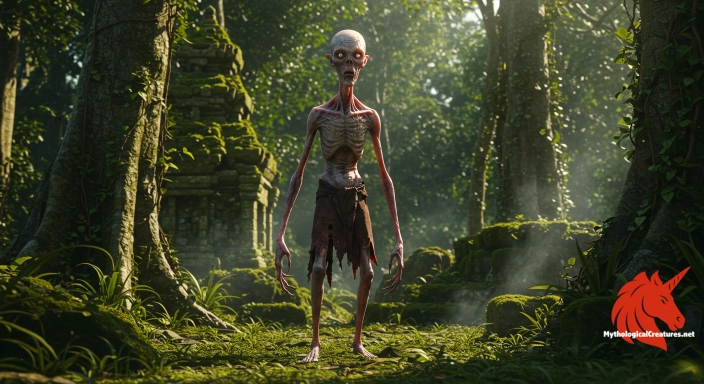
Suanggi
Suanggi - Serves as a cautionary figure representing the dangers of malevolent supernatural forces in Eastern Indonesia.
Origins & First Encounters
Suanggi is a formidable spirit whose presence echoes through the folklore of Eastern Indonesia, embodying the dark forces and enigmatic energies that have enthralled local communities for generations. Born from the whispers of ancient tradition, this malevolent entity is interwoven with the cultural fabric of island life, where the line between myth and reality often blurs. Local legend tells of a spirit who roams the remote highlands and dense forests, instilling both dread and a curious sense of wonder among those who speak its name. Historically, its origins are recounted in oral narratives that have been passed down with great care, evolving with each generation that retells its eerie encounters. The first attested accounts of Suanggi suggest a being steeped in mystery, often associated with rites of misfortune and acts of supernatural retribution. Communities have long regarded the spirit as a harbinger of ill fate, its presence marking the boundaries between safety and the unknown. It quietly symbolises the power of nature and the unpredictable forces that lie hidden within the dense tropical landscapes of Eastern Indonesia. Over time, Suanggi has become a cultural emblem, a mythic figure whose malevolence and mystique continue to inspire both caution and fascination.
Source Texts & Tale Variants
The lore of Suanggi has been preserved in a vibrant tapestry of oral traditions, ritual recitations, and folklore performances that stretch back centuries. Various local elders and mystics have recounted its tale, ensuring that the spirit’s legacy is etched into the collective memory of the region. Historical manuscripts – though sporadic – alongside contemporary anthropological studies have documented narratives of this entity, providing glimpses into its evolving representation. In villages and during communal gatherings, storytellers recite detailed accounts of encounters with Suanggi, each version coloured by the unique perspectives of its witnesses. Ritual chants and incantations form part of this tradition, revealing how Suanggi was invoked and sometimes warded off in local ceremonies. These narratives are not uniform; rather, they display a rich variety of interpretations, each reflecting the particular spiritual and societal needs of the community. The spirit is sometimes cast as a remnant of ancient curses, and at other times as a punisher of moral transgressions. Despite the variations, the core essence of Suanggi as a malevolent force remains a constant theme across the recorded folklore. The surviving texts and oral traditions provide an invaluable resource that captures the dynamic interplay between myth and the lived experiences of local peoples. As new generations seek to understand their heritage, these primary sources continue to spark debate and reflection on the nature of evil and the supernatural in Eastern Indonesian culture.
Form & Powers
Visually, Suanggi is portrayed with unsettling ambiguity that heightens its menacing reputation, appearing as both a spectral presence and a tangible threat to those who encounter it. In many accounts, its form shifts between that of a gaunt, human-like figure and a monstrous silhouette that seems to merge with the dark landscape. The spirit is often depicted with penetrating eyes that burn with an unholy gleam, conveying a sense of ancient malice and wisdom. Descriptions of its body suggest a pallid, almost translucent skin, marked by irregular patterns and hints of decay that tell of its cursed nature. There are references to elongated limbs and twisted postures that accentuate its otherworldly grace and menace. Some traditions even speak of features like horns or clawed hands emerging as a manifestation of its demonic side during nocturnal appearances. The duality of its appearance – shifting form with the phases of the moon or the changing moods of the night – adds to its unpredictable aura. Each visual detail, from the eerie luminescence of its eyes to the indistinct edges of its form, reinforces the power and dread that Suanggi commands in the popular imagination. The descriptions are rich in symbolism, often reflecting the local community’s deep-seated fears of the unknown and the uncontrollable forces of nature.
Regional Faces
Across the diverse archipelago of Eastern Indonesia, Suanggi is celebrated and feared in ways that mirror the local environment and cultural sensibilities. In some coastal and forested regions, the spirit’s presence is intricately linked to specific geographical landmarks and natural phenomena, with its appearances timed to the ebb and flow of the tides or the rustling of the jungle. Variations in its name, such as Suangi, highlight the linguistic and regional nuances that colour its mythos, each version carrying its own distinct attributes and iconography. In certain highland communities, Suanggi is thought to embody the chaotic energy of nature itself, whereas in more urbanised contexts it serves as a reminder of an ancestral connection to the spiritual realm. Local rituals sometimes incorporate offerings or protective charms specifically designed to appease or ward off this malevolent force. Indigenous beliefs have adapted the legend to fit contemporary understandings of the environment, blending ancient rites with modern interpretations of supernatural influence. Tales of this spirit often serve a dual purpose, warning against transgression in sacred spaces while also reinforcing community cohesion through shared cultural narratives. The regional diversity in its portrayal underscores the adaptability of folklore, showing how a single mythic entity can mirror the hopes, fears, and values of distinct communities within Eastern Indonesia.
Cultural Parallels
When set alongside other malevolent entities in Southeast Asian folklore, Suanggi emerges as a particularly nuanced embodiment of dark supernatural power. It shares notable similarities with the Malay concept of the hantu, both figures haunting the spaces between the natural and the spiritual worlds. Like the ominous penanggalan, Suanggi exhibits qualities of transformation that heighten its notoriety during the night, blurring the lines between human appearance and grotesque monstrosity. Its duality and capacity for both seduction and terror resonate with traditions found in neighbouring cultures, where the supernatural is often viewed as a complex interplay of retribution and mystery. This spirit stands as a regional counterpoint to other well-known figures of darkness in world mythology, echoing themes of transgression, punishment, and redemption. The layers of symbolism in Suanggi’s portrayal reveal a shared global narrative – the embodiment of nature’s inscrutable forces and the eternal battle between light and darkness. Cross-cultural comparisons highlight how each tradition uses such entities to personify societal fears and moral ambiguities. Unlike some Western revenants, however, Suanggi is deeply embedded in the local natural landscape, making it a living symbol of environmental and spiritual turmoil. In this way, Suanggi enriches the broader study of myth by offering a distinct perspective on how cultures negotiate with the unknown and the ominous.
Legacy & Modern Evolution
The historical evolution of Suanggi reflects a fascinating journey from ancient superstition to a modern symbol of cultural identity and social commentary. Once confined to the whisperings of rural elders and secluded ceremonies, the spirit has now found a place in contemporary literature, film, and art. Its depiction has gradually shifted from a one-dimensional figment of pure malice to a more layered character, replete with ambiguities that mirror the complexities of modern life. In earlier times, accounts of Suanggi were steeped in fear and used as a tool to enforce societal norms and warn against venturing into dangerous territories. Today, however, its image is subject to reinterpretation, often serving as a metaphor for the disruptions brought by modernisation and the erosion of traditional values. Creative reinterpretations present Suanggi as both a relic of ancient animism and a commentary on the dislocation felt in rapidly urbanising communities. The continued fascination with this spirit is evident in local festivals, artistic installations, and digital media narratives that celebrate its eerie legacy. As both a historical cautionary tale and a modern cultural emblem, Suanggi invites contemporary audiences to reflect on the enduring interplay between the supernatural and human experience. Its evolution underscores how myth adapts over time, offering a dynamic bridge between the past and the present that is as haunting as it is inspiring.
Interesting Fact
A notable aspect of Suanggi is its enduring presence in local folklore, where it not only embodies malevolence but also serves as a cultural reminder of the unseen dangers that may lie in the natural world.
Mythology-aligned partners
Showcase your myth-friendly brand here
Run a store, studio, or platform that lives in the world of myth and folklore? A curated sponsor panel on these pages may fit.
Explore partnership optionsQuick Creature Info
Origin:
Features:
Our Mythic Legendary Rating:

Also Sometimes Known As:
Habitat:
Supernatural Powers:
Physical Attributes:
Abilities:
Behavior:
Lore:
Related Creatures, Tales or Lore
- PPontianak
- KKuntilanak
- LLeak
References
Discover Another Mythical Legend You May Not Have Heard Of?
Uncover the mysteries of ancient folklore and expand your knowledge of legendary beings from cultures around the world.
Dare to Meet the Bogle....

Curated by the Mythological Creatures Team
Series editor: Mythological Creatures Directory
Primary desk: Asian & Pacific Myth Cycles Desk
(rev. November 2025)