
Subahu: Subahu is a rakshasa featured in the Hindu epic Ramayana.
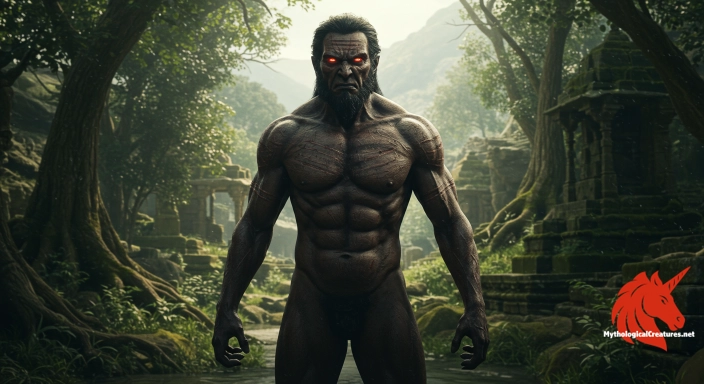
Subahu
Subahu - Subahu represents the malevolent forces in the Ramayana, challenging the heroes and symbolising the struggle between good and evil.
Origins & First Encounters
Subahu is a rakshasa whose presence in the ancient Ramayana vividly exemplifies the forces of darkness interwoven with divine narratives. Emerging from the depths of mythological tradition, his character embodies the untamed chaos that stands in opposition to cosmic order. He makes a brief yet resonant appearance in the epic, serving as one of the many sinister adversaries that test the resolve of divine heroes. His mention, though succinct in the original text, has inspired later interpretations that explore the nature of evil in a complex moral framework. The story of Subahu reflects a long-standing cultural fascination with the interplay between dharma and adharma. His origins, cloaked in the mysteries of ancient lore, speak to the broader tapestry of myth where demonic figures balance the cosmic scales. Even his very name conjures images of threatening vigour and a perilous edge that has intrigued storytellers across centuries. The subtle clues in his narrative have spurred diverse commentaries, inviting audiences to ponder deeper existential themes. His inclusion in the epic highlights the inherent tension between order and chaos that is central to Hindu mythology. Over time, his character has embodied both a literal and symbolic representation of the dark forces that any hero must ultimately overcome.
Source Texts & Tale Variants
Subahu is primarily attested in the sacred text of the Ramayana, where he appears as part of the retinue of rakshasas challenging the path of righteousness. The earliest account, found in the Valmiki Ramayana, offers only a fleeting glimpse of his character, leaving much to the imagination of later commentators. Over the years, regional recensions and oral traditions have enriched his narrative with additional layers of detail and dramatic flair. Some variants of the epic extend his role, positioning him as a significant adversary in encounters with the heroes. Local dramatic renditions and folk ballads have elaborated on his deeds, sometimes blending his story with that of other demonic figures. Early temple carvings and regional art have also contributed visual evidence of his presence within the broader mythological landscape. These diverse sources reveal how a minor figure in the original text evolved into a compelling symbol of malevolence. The intermingling of canonical scripture with folk storytelling has allowed Subahu’s image to be continually reimagined. Such layered accounts underscore the dynamic nature of myth, where even brief mentions in ancient texts foment a legacy rich in interpretive potential. Overall, the primary and secondary sources together provide a multifaceted view that elevates Subahu beyond a mere footnote in epic history.
Form & Powers
Although the Ramayana offers only sparse descriptions of Subahu’s physical form, later artistic and literary traditions have infused his image with vivid, fearsome details. He is often envisioned as possessing a towering and muscular build, exuding an aura of raw, untamed power. His skin is frequently depicted in dark or reddish tones, symbolising an intrinsic connection to infernal energies. Iconography commonly attributes him with wild, unkempt hair and a pair of prominent horns that jut from his forehead, accentuating his demonic stature. His eyes, often described as deep-set and glimmering with a sinister light, contribute to the overall impression of malevolence. Exaggerated fangs and a rugged, almost bestial face serve to heighten his threatening appearance. His elongated limbs and sinewy physique further underscore his role as a formidable adversary in battle. In many regional depictions, additional details such as scarred markings or ritual tattoos hint at a history of violent encounters and cursed legacies. These accumulated visual traits consistently portray him as an embodiment of chaos, standing in stark contrast to the graceful forms of the divine heroes. The recurring themes in his portrayal help solidify his place as one of classic Hindu myth’s quintessential rakshasas.
Regional Faces
Local interpretations of Subahu reveal a dynamic tradition where regional imagination and cultural context reshape his character over time. In North India, for example, narratives sometimes place him in the haunting landscapes of dense forests and ancient ruins, where his presence is felt as a lingering spectre of old evils. In Southern traditions, his image often intermingles with other rakshasa figures, creating a composite representation of demonic forces. Folk theatre and local storytelling have reimagined his backstory, occasionally attributing his actions to curses or divine retribution from revered sages. In parts of Bengal and Odisha, his myth is further enriched by the incorporation of local mysticism, where mysterious treasures and enigmatic origins add layers to his persona. Such variations reflect the local communities’ desire to connect myth with their immediate environment and historical experience. The flexibility in his portrayal—oscillating between a ruthless aggressor and a tragic figure marked by fate—underscores a broader narrative trend in regional lore. Adaptations in temple art and communal festivals have also allowed for a reinterpretation of his physical and moral attributes. These diverse renditions are emblematic of how vibrant oral traditions and localized artistic expressions continuously renew ancient myth. In all, the regional variations of Subahu serve as a testament to the evolving nature of myth in response to local cultural influences.
Cultural Parallels
The figure of Subahu invites intriguing comparisons with demonic entities across various world mythologies. Much like the monstrous antagonists depicted in European folklore, his persona encapsulates the primal fear of chaotic forces lurking at the fringes of civilisation. His ambiguous nature, straddling the line between unbridled savagery and a nuanced, almost tragic existence, is a theme that resonates globally. Similar to certain Greco-Roman adversaries who challenge the divine order, Subahu’s presence accentuates the struggle between cosmic harmony and disruption. In East Asian traditions, figures known for their shapeshifting and morally ambiguous traits offer a parallel to the multi-layered depiction of this rakshasa. Across cultures, such characters serve as essential counterpoints that enhance the heroic journey, making the eventual triumph of the divine more impactful. The comparative study of these archetypes reveals a universal narrative strategy: the inclusion of a darker mirror to illuminate the virtues of the hero. By drawing on such cross-cultural motifs, Subahu’s portrayal is seen not merely as a cultural anomaly but as part of a broader mythological discourse on the nature of evil. The convergence of these themes across disparate traditions highlights the enduring appeal of demonic antagonists within mythic storytelling. In this light, Subahu stands as a compelling example of how cultural exchanges can enrich and diversify the portrayal of mythological villains.
Legacy & Modern Evolution
Over centuries, the character of Subahu has undergone a remarkable evolution, shifting from a minor demon in early texts to a symbol laden with complex cultural meanings. In the ancient Ramayana, his brief appearance served mainly to underscore the pervasive threat of chaotic forces, yet later interpretations have expanded his narrative depth considerably. Contemporary literature and modern visual media have reimagined him as a multifaceted figure, sometimes exploring the inner turmoil beneath his ferocious exterior. Artists and filmmakers have incorporated his image into works that blend traditional iconography with modern sensibilities, highlighting his timeless role as an emblem of rebellion and darkness. The evolution of his character mirrors the broader trend of reinterpreting mythological antagonists to reflect changing societal values and existential concerns. Theatre and dance dramas in regional settings have embraced his story, using it to explore themes of downfall, redemption, and the delicate balance between order and chaos. In academic and popular discourse alike, Subahu is increasingly viewed not merely as a villain but as a complex character whose dark allure offers insights into the human condition. His transformation from a simple adversary to a symbol of multifarious conflict reflects the enduring power of myth to adapt and resonate over time. The modern legacy of Subahu affirms the continuing relevance of traditional narratives, even as they are reshaped to speak to contemporary audiences. Ultimately, his story encourages a deeper engagement with the eternal struggle between light and darkness, a theme as potent today as it was in ancient times.
Interesting Fact
Subahu's role in the Ramayana reflects the intricate portrayal of evil in Hindu mythology, where even demonic figures possess distinct, formidable powers and longevity.
For authors, artists, and makers
Created something from the realm of myth?
If your book, deck, game, or artwork draws from legendary creatures and lore, you can showcase it here in a tasteful, year-round placement.
Share your projectQuick Creature Info
Features:
Our Mythic Legendary Rating:

Habitat:
Supernatural Powers:
Physical Attributes:
Abilities:
Behavior:
Lore:
References
Discover Another Mythical Legend You May Not Have Heard Of?
Uncover the mysteries of ancient folklore and expand your knowledge of legendary beings from cultures around the world.
Dare to Meet the Spirit turtle....
Curated by the Mythological Creatures Team
Series editor: Mythological Creatures Directory
Primary desk: Asian & Pacific Myth Cycles Desk
(rev. November 2025)