
Synallaxis: Synallaxis is a Greek naiad nymph renowned for her healing spring waters.
-da24ae01-31b5-4624-9c28-18fa6e0cc27c_small.webp "Synallaxis - Synallaxis is emblematic of ancient Greek reverence for natural springs and the healing powers of water.")
Synallaxis
Synallaxis - Synallaxis is emblematic of ancient Greek reverence for natural springs and the healing powers of water.
the legend in five swipes.
the legend in five swipes.
How did the legend of Synallaxis begin?
Synallaxis emerges from the vibrant tapestry of Greek mythology as a captivating naiad whose essence is entwined with the healing power of spring waters. Born as one of the distinguished Ionides nymphs, she is celebrated for the curative grace that her sacred springs bestowed upon ancient communities. As the Elean daughter of the river-god Cytherus, her divine lineage sets her apart as a symbol of life and rejuvenation. Her myth is interlaced with local ritual practices in Elis, where the community revered the natural element as an agent of both physical and spiritual relief. The enduring reputation of Synallaxis reflects the ancients’ deep connection with nature and the belief in its restorative power. She is remembered not only for her healing attributes but also for the subtle interplay of myth and local culture in the ancient Greek world. Her very name hints at the dynamic exchange between the divine and the mortal, suggesting a fluidity of purpose and influence. Although attested only briefly in surviving texts, the legacy of her spring and her role among her nymph sisters continues to evoke wonder. The narrative of Synallaxis invites us to explore the timeless allure of renewal and the mysterious potency of water in the ancient imagination.
What sources tell us about Synallaxis?
The earliest attestations of Synallaxis appear in fragmented accounts and regional inscriptions that celebrate the healing properties of the Ionides nymphs. Diverse literary traditions hint at her presence in local cult practices, where oral lore and epigraphic records merged to immortalise her restorative powers. Some ancient writers alluded to the miraculous spring waters that bore her name, though these references are often brief and interwoven with local religious rites. Variations in her story are evident in the way different locales emphasised her role, attributing unique healing rituals to her cult. Minor literary fragments and later scholia suggest that her myth was part of a broader narrative concerning water deities and their connection to human health. In some versions, Synallaxis is portrayed solely as a beneficent spirit of water, while in others she is a potent divine intermediary capable of rescuing the ailing. The fragmented nature of these sources has led to a layered tradition of myth-making, where each teller imbues her tale with local colour and ritual significance. Despite the scarcity of comprehensive texts, the multiple narrative strands affirm her role as a symbol of rejuvenation. Consequently, Synallaxis exists as both a specific mythological figure and a broader emblem of nature’s capacity to heal.
What did Synallaxis look like?
Artistic and literary imaginings of Synallaxis evoke a figure of ethereal beauty, a graceful embodiment of the fluid nature of water. She is often depicted with long, flowing hair that mirrors the gentle cascade of a spring, catching the light in shimmering hues of silver and aquamarine. Her eyes, said to reflect the clear depths of healing waters, seem to hold both compassion and a mysterious luminescence. The delicate contours of her form suggest an inherent elegance, with soft features that blend the transient beauty of nature with a timeless grace. In some depictions, Synallaxis appears adorned in diaphanous garments that merge with the surrounding mist of her blessed waters, blurring the lines between the physical and the divine. Her skin is imagined as subtly radiant, evoking the glow of early morning dew on a quiet stream. Variations in her portrayal allow for both more mortal-like sensitivity and an otherworldly splendour that true divinity conveys. Each artistic interpretation attempts to capture the interplay of light and water, reflecting the dynamic essence of her myth. In this way, her physical representation becomes a poetic celebration of nature’s delicate balance, echoing the healing properties that defined her legend.
Synallaxis Across Different Regions
Regional traditions across the ancient Greek world imbued Synallaxis with distinctive local flavours and interpretations, particularly in the Peloponnesian heartland of Elis. Local cults celebrated her as the guardian of a sacred spring, where the curative waters were believed to restore both body and spirit. In Elis, rituals dedicated to her often featured communal celebrations and water rites that underscored the life-sustaining properties of her natural spring. Beyond Elis, other regions adapted her myth to align with local deities, merging her identity with broader themes of nature and fertility. In these areas, Synallaxis was sometimes associated with seasonal cycles, where the ebb and flow of water symbolised renewal and cyclical rebirth. Variants of her story in neighbouring locales preserved her central role as a healer while incorporating regional environmental features and cultural practices. Artistic depictions also shifted subtly in different areas, highlighting either her ethereal grace or her robust connection to the land’s natural bounty. Despite these regional adaptations, the core motif of a healing water spirit remained a defining element in her mythos. Such localised variations reveal the dynamic exchange of ideas in ancient myth-making, where a single deity could be celebrated with diverse attributes tailored to community needs.
How does the Synallaxis legend compare worldwide?
The legend of Synallaxis resonates with cross-cultural echoes found in various traditions where water deities symbolise healing and renewal. Like the Greek nymphs who blessed springs and rivers, many cultures have revered similar figures whose presence is inexorably linked to the life-giving properties of water. Comparative mythologies from Celtic and Roman traditions reveal parallel deities who, much like Synallaxis, served as intermediaries between the divine and the earthly realms. Such figures often embodied the purity and rejuvenative power of their respective natural water sources, echoing the attributes of the Ionides nymphs. While the Greek canon is rich with instances of healing water spirits, the universal human admiration for restorative waters finds expression in varied local deities around the world. This cross-cultural resonance underscores a common belief in the sanctity of water as a symbol of life, transformation, and hope. In juxtaposing her story with other mythological figures specialised in health and regeneration, one observes both striking similarities and distinctive cultural flavours. The comparative analysis of such myths reveals how local traditions adapt shared symbols to reflect regional attitudes towards nature and well-being. Thus, Synallaxis stands as one element in a broader mosaic of healing deities, reflecting a universal reverence for the curative powers of water.
Synallaxis: The Modern Legacy
The myth of Synallaxis has journeyed through the annals of time to leave its subtle imprint on both historical tradition and modern cultural interpretations. Initially celebrated as a divine healer in ancient ritual, her image has evolved to encapsulate themes of environmental renewal and the timeless power of nature. During the classical era, her spring was not just a source of water but a symbol of hope and rejuvenation, a theme that has found renewed expression in modern artistic endeavours. Contemporary artists and writers sometimes invoke her name as a metaphor for natural vitality and the interdependence between humanity and the environment. Modern interpretations have further expanded her legacy, aligning it with current interests in wellness, sustainability, and ecological balance. In today's world, her ancient myth finds echoes in spa culture and therapeutic practices that extol the benefits of natural mineral springs. The evolution of her story is a testament to the lasting appeal of myth, illustrating how ancient symbols can be recontextualised to address modern sensibilities. As environmental appreciation grows, Synallaxis has come to represent not just healing in a literal sense, but also the broader notion of renewal within a fragile ecological system. Thus, her enduring legacy continues to inspire a dialogue between the past and the present, urging us to recognise the perennial wisdom embedded in the natural world.
Interesting Fact
An intriguing aspect of Synallaxis is that her healing spring waters were not only believed to cure diseases but also to purify the spirit, reflecting the ancient Greek view of water as both a life-sustaining and sanctifying force.
Mythological Treasures
Greek Myths: A field guide to the monsters of ancient Greece
Every monster here earned its place in legend, and each gets a full page of artwork and the story behind it.
Norse Sagas: A field guide to the beasts of the Viking world
Drawn from the saga accounts themselves, with the powers, weaknesses and doom of each being set out.
Egyptian Legends: A field guide to the gods and monsters of ancient Egypt
Guardians of the living and devourers of the dead, with the role each played in judgement.
the legend in five swipes.
Limited sponsor opportunity
One slot, carefully chosen partners
We only feature a small number of relevant sponsors at any time. If you create serious myth content, we would like to hear from you.
Partner with usQuick Creature Info
Origin:
Features:
Associations:
Our Mythic Legendary Rating:

Also Sometimes Known As:
Habitat:
Supernatural Powers:
Physical Attributes:
Abilities:
Behavior:
Lore:
References
Discover Another Mythical Legend You May Not Have Heard Of?
Uncover the mysteries of ancient folklore and expand your knowledge of legendary beings from cultures around the world.
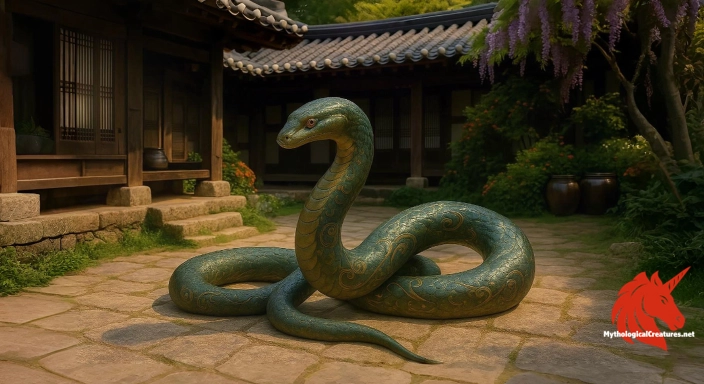
Dare to Meet the Eopsin....
The Mythological Creatures Book Series
Yokai, Greek, Norse, Egyptian & Chinese. Five illustrated field guides to the creatures the old stories either warned or told you about.

Curated by the Mythological Creatures Team
Series editor: Mythological Creatures Directory
Primary desk: Hellenic & Ancient Mediterranean Desk
(rev. November 2025)