
Thayé: The Thayé are malevolent, disembodied spirits from Burmese mythology that manifest in various human-like forms with distinguishing features such as huge ears, long tongues, and tusk-like teeth.

Thayé
Thayé - Serve as cautionary figures in Burmese folklore, embodying the consequences of evil deeds and moral corruption.
Origins & First Encounters
The thayé are mysterious spectral entities that occupy a distinctive place in Burmese mythology, emerging as disembodied spirits condemned for past misdeeds. They are traditionally believed to be the restless souls of those who committed evil acts, a reminder of moral retribution that transcends the boundary between life and death. Their origins are woven into the fabric of ancient oral traditions and are steeped in the spiritual and ethical discourses of early Burmese culture. Stories of the thayé have been passed down through generations, forming an integral part of local mythic narratives and cautionary tales. Their presence has been linked to the disruption of everyday life, as they are said to roam towns at unusual hours, symbolising the unpredictable consequences of past wrongs. The portrayal of these ghosts reflects cultural concerns with justice and spiritual balance, serving as both a warning and a sign of moral accountability. In the realm of folklore, they bridge the natural and supernatural worlds, highlighting the delicate interplay between human actions and cosmic retribution. Local beliefs cherish these stories as a means to enforce ethical behaviour and to understand the mystery of life beyond the physical. Their enduring legend continues to fascinate, inviting introspection on the nature of sin, redemption, and the unseen forces that shape existence.
Source Texts & Tale Variants
Ancient manuscripts and enduring oral traditions have, in fragmented detail, formed the basis of our understanding of the thayé, though no single text can claim authoritative completeness. Early depictions of these ghosts appear in the whispered lore of temple rituals and community storytelling, where their image slowly evolved through repeated retellings. Various folklore collections have preserved multiple interpretations, with some accounts emphasising a singular, menacing form while others depict a range of physical manifestations. Over time, local scribes and storytellers have infused these traditions with layers of symbolism, blending moral lessons with supernatural intrigue. The variation in narrative detail is notable; some stories evoke a creature with multiple faces and bodies while others focus on its role as an omen of minor illness. Each version holds a mirror to the community’s ethical reflections and the evolving nature of local belief systems. The interplay between written records and oral recitations has enriched the myth, ensuring that the tale adapts with the times while remaining rooted in ancient cultural wisdom. In this way, the narrative of the thayé is continuously renewed, reflecting the dynamic and multifaceted nature of Burmese folklore.
Form & Powers
The physical form of the thayé is rendered in vivid and unsettling detail, capturing the imagination with its blend of human and supernatural features. They are often described as tall, dark figures whose oversized ears and long, sinuous tongues evoke both awe and dread. Tusk-like teeth add an element of menace to their appearance, creating a visage that is both grotesque and arresting. Variations in depiction are common, with some portrayals emphasising a lean, slender form, while other accounts describe a more rotund and ethereal presence. In some retellings, a single thayé is said to possess multiple faces or even bodies, reflecting the fragmented and chaotic nature of the spirit world. One particularly striking variant presents the entity as a pregnant ghost with a luminous white body and exaggerated features, symbolising a fusion of life and decay. Such mutable characteristics suggest that their form is as much a reflection of inner guilt and cosmic punishment as it is a physical reality. The rich detail in their anatomy underscores the broader themes of transformation and the thin veil that separates the mortal from the spectral.
Regional Faces
Across the diverse landscapes of Burma, the depiction of the thayé reflects local traditions and varying cultural nuances. In some rural communities, they are depicted as more approachable yet still foreboding, embodying both fear and a curious connection to the ancestral past. Variations in their narrative often highlight different times of appearance, with some communities stressing their uncanny presence at high noon while others recount eerie encounters in the deep of night. The flexible portrayal of their form—whether as multiple incarnations or a singular ghostly figure—is often shaped by regional interpretations of morality and spiritual retribution. Such localised variations serve to align the myth with the specific cultural and ethical concerns of different areas. In regions where ancient animistic beliefs coexist with Buddhist doctrines, the identity of the thayé is enriched with symbolic elements unique to that locale. The subtle infusion of local dress, linguistic quirks, and customary symbols into their legend further accentuates the diversity of their portrayal. Overall, these regional adaptations illustrate how a singular mythic concept can be refracted through a multitude of cultural lenses while retaining its core significance.
Cultural Parallels
Similar themes of retribution and supernatural transformation can be observed in mythologies across Asia, where spectres and ghostly figures serve as moral and cautionary symbols. Echoes of the thayé can be found in other Buddhist traditions, particularly in the portrayal of hungry ghosts who wander in a state of insatiable longing and remorse. Comparable entities also appear in Chinese folklore, where disembodied spirits play a role in warnings against improper conduct. Across Southeast Asia, narratives of restless souls vary in detail, yet they share a common purpose in addressing the consequences of unethical behaviour. The blending of physical monstrosity with spiritual ambiguity in the thayé mirrors a universal mythological motif that links the corporeal to the metaphysical. These cross-cultural parallels underline how different societies channel similar existential fears through the depiction of ghosts and spirits. By comparing these traditions, one gains insight into the broader human impulse to explore themes of guilt, penance, and the transformative power of the supernatural. Ultimately, the comparative study of such entities reveals a shared narrative purpose that transcends geographical and cultural boundaries.
Legacy & Modern Evolution
The story of the thayé has evolved considerably over the centuries, following a trajectory from ancient ritualistic belief to modern reinterpretation. Once confined to the realms of oral tradition and religious ceremony, their legend has now permeated contemporary literature, visual arts, and even film. This evolution reflects both the enduring power of myth and the dynamic nature of cultural storytelling. In modern contexts, the thayé are sometimes reimagined as complex antiheroes or ominous symbols in horror narratives, demonstrating a creative flexibility that appeals to new audiences. Contemporary portrayals often blend traditional imagery with innovative motifs, reflecting current anxieties and societal shifts. Their presence in popular culture continues to spark debate about the nature of justice, guilt, and redemption, resonating with modern themes of alienation and transformation. The ongoing dialogue between traditional folklore and modern reinterpretation has ensured that the myth of the thayé remains a vital part of Burmese cultural identity. In this way, the legacy of these ghostly figures endures as a bridge between an ancient past and the evolving present, stimulating both artistic exploration and spiritual reflection.
Interesting Fact
An intriguing aspect of the Thayé is their shape-shifting ability, which allows them to appear in countless forms, mirroring the multifaceted nature of human evil and the complexities of Burmese spiritual beliefs.
Support the directory
Promote your myth project and fund more research
Sponsor placements help keep this directory growing and free to use while giving your work a focused, relevant audience.
Learn how sponsorship worksQuick Creature Info
Origin:
Features:
Our Mythic Legendary Rating:

Also Sometimes Known As:
Habitat:
Supernatural Powers:
Physical Attributes:
Abilities:
Behavior:
Lore:
Related Creatures, Tales or Lore
- PPreta (Hungry Ghost)
- PPhi Tai Hong (Thai ghost)
- PPontianak (Malay ghost)
References
Discover Another Mythical Legend You May Not Have Heard Of?
Uncover the mysteries of ancient folklore and expand your knowledge of legendary beings from cultures around the world.
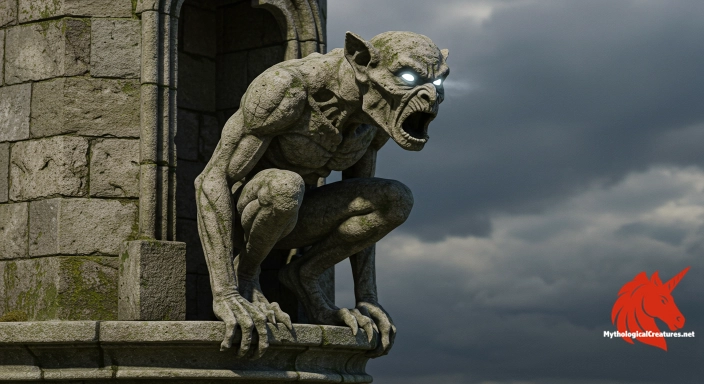
Dare to Meet the Gargoyle....
Curated by the Mythological Creatures Team
Series editor: Mythological Creatures Directory
Primary desk: Asian & Pacific Myth Cycles Desk
(rev. November 2025)