
Troll cat: The troll cat is a mischievous familiar from Scandinavian folklore.
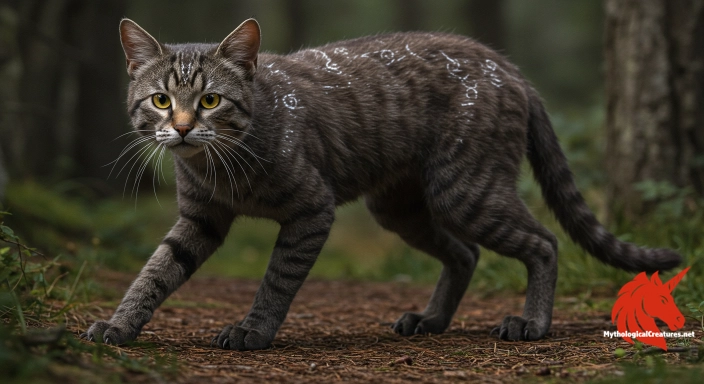
Troll cat
Troll cat - Represents the mischievous integration of magical and rural life in Scandinavian tales.
the legend in five swipes.
the legend in five swipes.
Troll cat: Where the Legend Started
This enigmatic creature, known as the troll cat, occupies a fascinating niche within Scandinavian folklore as a magical familiar attendant to witches. Born from the rich soil of rural myth and oral tradition, it emerged as a symbol of the mysterious interplay between the natural and supernatural. Its earliest attestations are entwined with agricultural communities and nocturnal rituals, where unusual events in livestock and domestic life were seen as portents of otherworldly intervention. The troll cat is often depicted as both a mischievous trickster and a subtle guardian of hidden knowledge, enchanting those who encounter it. In the folklore, its peculiar connection to milk—from drawing it from cows to redistributing it in witches’ milk pails—symbolises a curious exchange of earthly bounty and magical essence. The creature, therefore, not only embodies the practical realities of pastoral life but also the ambiguity of nature’s forces. Its role hints at an older, animistic perspective where animals possessed an inherent spiritual significance. The enduring legacy of the troll cat in myth serves as a reminder of a more enchanted world, where every element of nature was suffused with magic.
Troll cat: The Written Sources
The narratives of the troll cat are preserved in a mosaic of oral traditions that have coloured Scandinavian folklore for centuries. Although it rarely appears in formal historical texts, its story survives in the countless folk tales recited by rural communities. These stories have been passed through generations, often capturing the playful yet enigmatic deeds of the creature. Collections of Scandinavian folktales and compendiums of rural legends recount episodes where the troll cat’s mischief was a common motif, particularly concerning the manipulation of milk. Variants of its tale exist alongside similar beings like the milk rabbit and milk hare, underscoring a broader motif of dairy-related mischief. In some versions, the creature’s actions are woven into narratives about magical familiars assisting witches, linking it closely to domestic magic. Over time, these oral sources have been supplemented by regional manuscript collections that borrow from local customs and narratives. The diversity of accounts speaks not only to the fluidity of folklore but also to the flexible nature of myth in adapting to different cultural contexts.
Troll cat: What the Legends Describe
The troll cat is described with a blend of familiar feline attributes and unusual supernatural embellishments that set it apart from ordinary cats. Often imagined as possessing a slightly larger and more robust physique, its presence is marked by a dense, shaggy coat that shimmers under the glint of moonlight. Its eyes are typically portrayed as large and luminous, exuding an uncanny glow that hints at hidden arcane wisdom. Unique features such as elongated, pointed ears and a tail that seems to writhe with a life of its own enhance its otherworldly appearance. Some versions of the lore attribute mottled or patchy fur to the troll cat, a detail that evokes the unpredictable patterns of light and shadow in ancient woodlands. Its whiskers and lithe body further suggest a creature in constant motion, perpetually bridging the boundaries between the mundane and the magical. Variations in physical descriptions allow for a degree of artistic licence, with some tales casting it as sleek and agile, while others present it as somewhat exaggerated in size and form. Such detailed imagery reinforces its role as a creature whose appearance is as beguiling as its actions are mischievous.
How does the Troll cat differ by region?
Across the Scandinavian landscape, the troll cat takes on distinctive characteristics that mirror local cultural influences and regional folklore. In northern Sweden, for instance, the tales often render the creature with a more robust and earthy demeanour, reflecting a deep connection with the surrounding wilderness. Danish traditions sometimes portray the troll cat as a familiar yet indifferent presence, whose actions have a subtle impact on domestic life and local superstitions. In rural Norwegian accounts, the creature may assume a slightly harsher aspect, being associated with both benevolent and challenging forces of nature. Each region adapts its narrative to fit the local context, whether emphasising the creature’s role in protecting or disrupting the natural order of dairy life. These regional variations extend to the names, rituals, and symbolic interpretations associated with the troll cat, demonstrating how folklore is molded by the specific environment and cultural practices of each community. Regardless of these local differences, the underlying theme of a mystical animal helper with connections to witchcraft remains consistent. This regional mosaic ensures that the troll cat continues to captivate wherever its story is told.
Troll cat: Cross-Cultural Comparisons
The troll cat shares a kinship with several other mythological creatures that traverse various cultural traditions across Europe. Like its Scandinavian counterparts such as the milk rabbit and milk hare, it is part of a broader archetype of beings that engage in the subversion of agricultural abundance. Its dual role as both a benign familiar and a mischievous trickster mirrors the ambivalence found in other magical animal figures, such as the iconic black cat often associated with witchcraft in Western Europe. In a similar vein, folklore from other regions sometimes features creatures that manipulate natural resources, highlighting a shared symbolic motif regarding the balance of nature and magic. Comparative legends from neighbouring cultures also spotlight animals that escort magical practitioners, suggesting a common belief in the power of animal familiars. Furthermore, the troll cat’s actions, particularly its involvement with milk—a substance symbolic of nourishment and life—evoke parallels with mythic beings that both nurture and disrupt. Such cross-cultural comparisons underscore the universal appeal of stories where the ordinary is swept into the realm of the extraordinary. Through these parallels, the troll cat serves as a reminder of how folklore continually reinvents the relationship between humans, animals, and the mystical forces that govern life.
How did the Troll cat survive into the modern world?
Throughout the centuries, the portrayal of the troll cat has evolved from a shadowy, enigmatic figure in traditional lore to a charming emblem of mythic intrigue in modern culture. As Scandinavian societies transitioned into modernity, the creature’s tales retained their magic, serving as a bridge to a time when the supernatural was an integral part of everyday life. Contemporary interpretations frequently cast the troll cat in a more whimsical light, endearing it to audiences in books, films, and fantasy role-playing games. This evolution reflects both a reinterpretation of its mischievous exploits and a modern appreciation for folklore’s rich imaginative possibilities. Today, artists and storytellers often imbue the troll cat with layers of symbolism, emphasising themes of duality, transformation, and the unexpected intersections between the mundane and the magical. It has also found itself at the heart of cultural festivals and folkloric revivals, where its image is celebrated alongside other legendary beings. The ongoing fascination with this surreal familiar underscores a broader cultural yearning for connections to myth and mystery. Ultimately, the modern legacy of the troll cat is one of reinvention, balancing historical intrigue with contemporary creative expression.
Interesting Fact
Despite appearing as an ordinary cat, the troll cat's dairy antics highlight its role as a vital link between everyday life and the magical realm in folklore.
Mythological Treasures
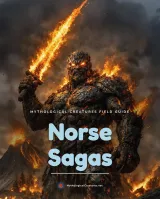
Norse Sagas: A field guide to the beasts of the Viking world
Drawn from the saga accounts themselves, with the powers, weaknesses and doom of each being set out.
Greek Myths: A field guide to the monsters of ancient Greece
Every monster here earned its place in legend, and each gets a full page of artwork and the story behind it.
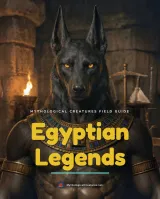
Egyptian Legends: A field guide to the gods and monsters of ancient Egypt
Guardians of the living and devourers of the dead, with the role each played in judgement.
the legend in five swipes.
Limited sponsor opportunity
One slot, carefully chosen partners
We only feature a small number of relevant sponsors at any time. If you create serious myth content, we would like to hear from you.
Partner with usQuick Creature Info
Origin:
Features:
Our Mythic Legendary Rating:

Habitat:
Supernatural Powers:
Physical Attributes:
Abilities:
Behavior:
Lore:
Related Creatures, Tales or Lore
- mmilk rabbit
- mmilk hare
- ttroll ball
References
Discover Another Mythical Legend You May Not Have Heard Of?
Uncover the mysteries of ancient folklore and expand your knowledge of legendary beings from cultures around the world.
Dare to Meet the Mandragora....
The Mythological Creatures Book Series
Yōkai, Greek, Norse, Egyptian & Chinese. Five illustrated field guides to the creatures the old stories either warned or told you about.
Curated by the Mythological Creatures Team
Series editor: Mythological Creatures Directory
Primary desk: Northern & European Folklore Desk
(rev. November 2025)