
Undine: Undines are elemental water spirits originating from the alchemical writings of Paracelsus.
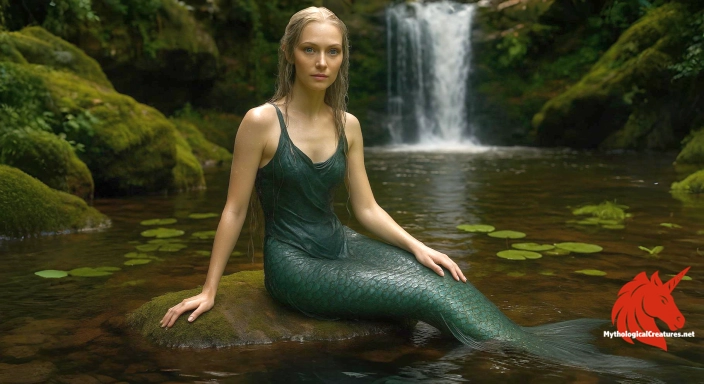
Undine
Undine - Symbolise the beauty, mystery, and essential nature of water in both natural and cultural contexts
Origins & First Encounters
Undines materialise as captivating elemental spirits drawn from the mysterious interplay of water and myth, their origins rooted in the esoteric writings of Paracelsus. Emerging from the alchemical explorations of the Renaissance, they were conceived as living manifestations of water’s transformative and dynamic energy. Their earliest mention in literary and mystical texts sets them apart as beings that embody both the nurturing and unpredictable forces of nature. Over time, these elusive water entities have evolved from abstract symbols into richly detailed figures within various mythological narratives. The allure of undines lies in their ambiguous nature, oscillating between benevolence and mischief, much like the water itself. Their enduring presence in storytelling reflects an intrinsic fascination with the natural elements and the mysteries of the aquatic world. In historical folklore, they have been celebrated as both guardians of water and as omens of the unpredictable power inherent to the natural realm. Undines continue to stir the imagination, symbolising the perennial connection between humanity and the ever-changing landscape of the natural world. Their narrative remains as fluid as water, adapting seamlessly to the cultural and artistic shifts encountered over the centuries. The story of undines encapsulates the eternal dance between myth and nature, a theme that has resonated through many generations.
Source Texts & Tale Variants
The primary foundations of undine mythology are found in ancient alchemical treatises, with Paracelsus’s pioneering writings setting the stage for their mythic character. Early manuscripts not only introduced these water beings but also hinted at a deeper connection between human emotion and the capricious nature of water. Subsequent literary works expanded upon these initial ideas, blending alchemical symbolism with emerging Romantic sensibilities. Notable narratives, such as the 1811 novella by Friedrich de la Motte Fouqué, crafted a detailed portrait of the undine as a water nymph with human traits and emotional depth. Various regional folktales further diversified their portrayal, imbuing the undine legend with local customs and environmental mythologies. Danish literary reinterpretations, evident in works like Hans Christian Andersen’s adaptation in "The Little Mermaid," have also contributed to the reshaping of the undine’s persona. Written legends, oral traditions, and pictorial representations have each played a role in preserving and altering the myth over time. These diverse sources create a tapestry of stories that illustrate the multifaceted nature of the undine figure. Each variant reflects not only the socio-cultural context of its origin but also the timeless fascination with water as a symbol of life and change. The evolving literary tradition surrounding undines highlights how mythic narratives are continually reimagined to resonate with contemporary audiences.
Form & Powers
Undines are frequently depicted as ethereal and graceful water-dwellers whose very form seems to be shaped by the fluid motion of their aquatic habitat. Their bodies are often portrayed with an almost otherworldly translucence, as though their skin were kissed by the luminescence of moonlight on rippling water. In artistic renditions, they are adorned with flowing tresses that cascade like delicate waterfalls, reflecting hues of blue, green, silver, and sometimes hints of gold. Subtle, iridescent scales or the suggestion of a shimmering texture add to their mystical appearance, blending human beauty with the finery of sea creatures. Their eyes, deep and reflective, are said to hold the secrets of the underwater world, evoking both wisdom and enigma. Some images present them with delicate fins or webbed features, hinting at an evolutionary grace that allows them to merge effortlessly with their liquid surroundings. The fine, chiseled contours of their facial features and lithe figures accentuate their allure and hint at an innate elegance. Every nuance in their depiction, from the soft glow surrounding their presence to the slight ripple of their form, serves to underscore their elemental nature. The visual representation of undines often shifts subtly depending on the artist’s interpretation, yet the underlying theme of fluidity and ethereal beauty remains a constant tribute to their aquatic origins. In essence, the physical form of an undine is a visual poem where water and myth converge into one captivating spectacle.
Regional Faces
The myth of the undine demonstrates a remarkable diversity of interpretation across different European cultural landscapes. In Germanic traditions, they often appear as mysterious guardians of rivers and lakes, intertwined with local legends of woodland spirits and natural protectors. French folklore has lent them an air of refined melancholy, recasting the undine as an emblem of lost love and the transient beauty of nature. Scandinavian narratives sometimes fuse the undine with seafaring legends, emphasising a rugged connection to the icy waters and deep fjords. Italian storytellers have embraced the undine as a poignant figure, linking her ethereal charm to the dramatic interplay of love, art, and nature. Eastern European variants, meanwhile, imbue these water beings with a spectral quality, suggesting that their presence is intertwined with both celebration and caution during seasonal transitions. Local adaptations have often tailored the undine to reflect the specific characteristics of regional waterways, from the tranquil brooks of pastoral settings to the imposing depths of ancient lakes. Despite these myriad regional nuances, there is a shared underlying respect for the elemental power of water that unites these varied depictions. Each cultural iteration contributes unique attributes and symbolic layers, ensuring that the myth of the undine remains fluid and ever-adapting. In modern retellings, artists and writers draw upon these regional variations to create hybrid images that resonate with both historical tradition and contemporary sensibilities.
Cultural Parallels
The undine finds interesting parallels in a broad spectrum of water-associated mythological figures from diverse cultures around the world. Similar to the classical Greek naiads, these water elementals captivate the imagination with their dual ability to nurture and devastate, embodying nature’s tender beauty alongside its formidable force. Echoes of the undine can also be found in Celtic water fairies, who are as much a part of ancient lore as they are harbingers of the natural cycle. Comparisons with the mermaid myth underscore a common fascination with the transformative qualities of water, combining allure with a sense of mystery and danger. In Slavic traditions, entities such as the rusalka share traits with undines, highlighting recurring themes of seduction, redemption, and supernatural melancholy. The intermingling of these figures demonstrates how different cultures have encapsulated the ambiguous nature of water into humanoid forms that are simultaneously beautiful and unpredictable. By examining these similarities, one can appreciate a universal mythos where water serves as both a literal and symbolic source of life and transformation. This comparative lens reveals how shared motifs in aquatic lore have spanned geographical and cultural boundaries. In recognising these cross-cultural connections, a broader perspective emerges on how societies have historically engaged with the elemental forces around them. Such analysis not only enriches our understanding of undines but also situates them within a grand tapestry of global mythological tradition.
Legacy & Modern Evolution
Over the centuries, the depiction of undines has evolved from arcane alchemical figures to captivating icons in modern literature, art, and popular culture. In the Romantic era, these water spirits were reimagined as embodiments of both beauty and melancholy, their fluid forms reflecting the era’s aesthetic preoccupations with nature and emotional depth. The evolution of the undine myth has been significantly shaped by literary reworkings, such as Fouqué’s 1811 novella, which introduced complex dimensions of love and transformation. As modern storytellers continue to draw inspiration from these ancient archetypes, the undine has become a symbol not only of the mysteries of water but also of the enduring interplay between nature and human experience. Contemporary films, graphic novels, and artistic installations frequently showcase reinterpreted visions of the undine, linking timeless mythic elements with current environmental and existential themes. This modern legacy also includes reinterpretations that underscore themes of sustainability and the delicate balance between human progress and natural preservation. Artists often use the undine as a muse to explore deeper cultural narratives, reflecting on the consequences of exploiting nature and the need for ecological harmony. The persistence of the undine in modern media highlights the timeless charm and versatility of myth, which continues to resonate with new generations. Through evolving artistic depictions and reinterpretations in diverse forms of media, the undine remains a dynamic figure who bridges the gap between historical mystique and the pressing realities of the modern era. In this way, the legacy of the undine is a living narrative, continuously enriched by fresh interpretations and the universal allure of water’s enigmatic charm.
Interesting Fact
Undines have had a lasting impact on art and literature, inspiring numerous reinterpretations of water nymphs across different cultures.
For myth educators and toolmakers
Built a resource for mythology learners?
If you offer courses, teaching tools, or research platforms focused on myth and folklore, consider a discrete placement on our reference pages.
Introduce your resourceQuick Creature Info
Features:
Associations:
Our Mythic Legendary Rating:

Also Sometimes Known As:
Habitat:
Supernatural Powers:
Physical Attributes:
Abilities:
Behavior:
Weaknesses:
Lore:
References
Discover Another Mythical Legend You May Not Have Heard Of?
Uncover the mysteries of ancient folklore and expand your knowledge of legendary beings from cultures around the world.
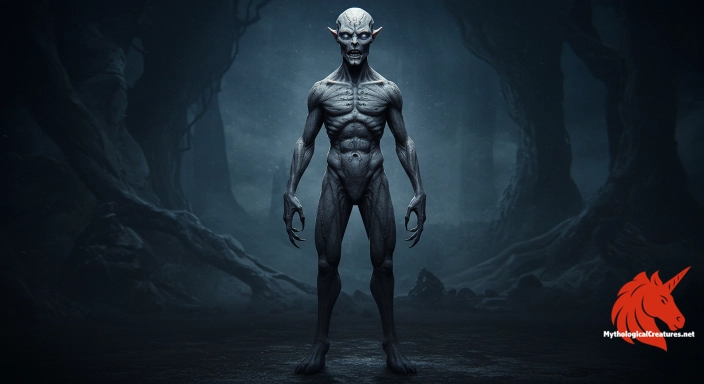
Dare to Meet the Xezbeth....
Curated by the Mythological Creatures Team
Series editor: Mythological Creatures Directory
Primary desk: Hellenic & Ancient Mediterranean Desk
(rev. November 2025)