
Uridimmu: Uridimmu is an ancient Mesopotamian mythological creature depicted as a human-headed dog-man adorned with a horned tiara and a staff with a lunar crescent.
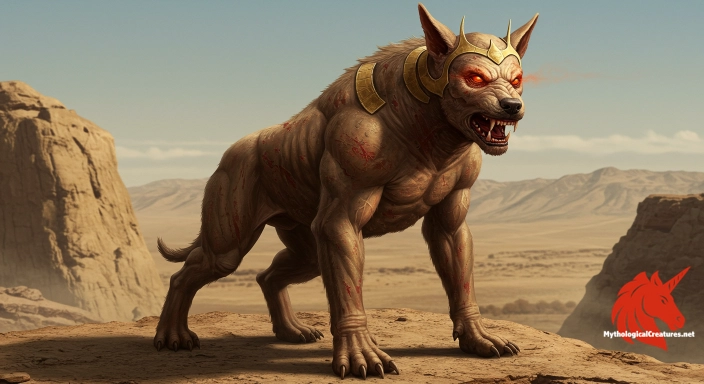
Uridimmu
Uridimmu - Symbolises the unpredictable, destructive forces of nature through its mad and rabid depiction.
Origins & First Encounters
Uridimmu emerges as one of the most enigmatic figures within the ancient Mesopotamian mythological tapestry. His name, translating to 'Mad Howling Dog', immediately evokes a sense of wild, untamed ferocity blended with an otherworldly presence. The creature is thought to have made its initial appearance during the Kassite period, with inscriptions such as the Agum-Kakrime record hinting at his early cultural significance. His depiction as a human-headed dog-man reflects a deliberate intertwining of human intellect and bestial instinct. The early textual evidence assigns him a multifaceted role that resonated with themes of chaos and the divine. In many traditions, his character symbolised the precarious balance between order and disruption, mirroring the volatility of the natural and supernatural realms. The linguistic details in Sumerian sources, where he is labelled as a 'rabid dog', add further layers of complexity to his identity. His enduring presence in myth highlights not only ancient religious ideologies but also a broader cultural fascination with boundary-transcending entities. Rich in symbolism, Uridimmu continues to captivate the imagination of those who explore the depths of Mesopotamian lore. His legacy is a testament to the intricate dialogue between myth, language, and societal fears.
Source Texts & Tale Variants
Primary sources play a pivotal role in uncovering the legend of Uridimmu, with ancient inscriptions and lexical texts offering windows into his mythological construction. The Agum-Kakrime Inscription is frequently cited as a significant reference point, suggesting that his genesis might be rooted in the Kassite period. Various ancient tablets and series contribute to our knowledge, detailing his attributes and situational roles within divine narratives. Lexical series encode his name using complex Sumerian symbols, further enriching his multifaceted persona. He is consistently described with the term 'kalbu šegû', a phrase that highlights his association with rabidity and unbridled ferocity. Different versions of his tale emerge from fragmentary records, each variant emphasising distinct aspects of his character. Some texts portray him as a harbinger of chaos, while others embed his image within ritualistic and protective contexts. This diversity of portrayals illustrates the fluidity of mythic tradition in ancient Mesopotamia. Modern efforts to piece together these sources allow us to appreciate the layered complexities of his narrative. Each surviving inscription contributes to an evolving story that continues to intrigue both scholars and enthusiasts alike.
Form & Powers
The visual portrayal of Uridimmu is as arresting as it is intricate, combining the features of both man and beast in a singular, compelling form. His head, unmistakably human in shape, is set with an expression that balances wisdom with a palpable intensity, hinting at an inner turmoil. Beneath this human façade, however, lie unmistakable canine attributes, including a pronounced snout and the wild, unpredictable demeanour of a rabid hound. He is invariably adorned with a horned tiara, a detail that not only elevates his status but also connects him directly to divine iconography. Standing upright in an almost statuesque pose, he defies the natural order of both man and animal, reinforcing his mythic ambiguity. In one of his most recognisable depictions, a staff is held firmly in one hand, its tip crowned with an uskaru, or lunar crescent, symbolising the influence of celestial forces. The convergence of human and canine elements is executed with both precision and artistic flair, ensuring that every feature contributes to his overall mystique. Variations in his depiction, evident across different artefacts, highlight a dynamic visual tradition wherein size, detail, and expression can shift subtly to suit local aesthetic norms. This carefully crafted blend of anatomy serves to embody both the sacred and the profane, solidifying his place in ancient art. In every representation, Uridimmu stands as a formidable guardian of myth, etched deeply into the artistic memory of Mesopotamian civilisation.
Regional Faces
Regional depictions of Uridimmu reveal a fascinating adaptability in his iconography across the ancient Near East. While his core attributes—such as his human-headed form and lupine ferocity—remain consistent, local artistic traditions have introduced nuanced variations. In southern Mesopotamia, for instance, his portrayal often embraces more elaborate ornamentation, with additional ceremonial insignia that hint at a connection to local deities. Northern regions may present him with a more rugged and aggressive demeanour, focusing on the untamed aspects of his character. The integration of distinct motifs—be they celestial symbols or localized patterns—underscores how communities appropriated his image to reflect their own cultural narratives. Artistic styles and religious priorities shaped these portrayals, enabling his myth to evolve in response to regional cosmogonies and ritualistic practices. Such local adaptations allowed for a rich tapestry of detail, ensuring that his form was not static but continuously reimagined. Even slight modifications in facial expression, attire, or posture serve as testament to the diverse interpretative frameworks within which he was received. These regional differences contribute to a broader understanding of how mythological figures are interwoven with local identity and tradition. Ultimately, his varied portrayals reflect the dynamic interplay between a widespread mythic symbol and the distinct cultural flavours of ancient communities.
Cultural Parallels
Examining Uridimmu in the context of global mythological traditions reveals striking parallels with other legendary hybrid creatures. Much like the notorious Cerberus in Greek mythology, his role as a guardian at the threshold of the known and unknown resonates deeply with cross-cultural archetypes. This creature, with his amalgamation of human intellect and animalistic ferocity, shares thematic similarities with beings in other ancient traditions that challenge conventional boundaries. The motif of a creature that bridges disparate realms is recurrent, reflecting an enduring fascination with liminal spaces. Comparative analysis highlights that the blending of human and bestial traits is a narrative strategy used to explore complex ideas about civilisation versus nature, control versus chaos. Other mythic entities, particularly those emerging from neighbouring cultures in the ancient Near East, similarly embody these paradoxical characteristics. The insistence on hybrid forms can be seen as a symbolic representation of societal fears and the mystical power that lies beneath the veneer of order. As these mythic elements circulate across borders, they are transformed and adapted to express local concerns and cosmic explanations. The enduring appeal of such multi-layered figures thus underscores a shared human impulse to explore the boundaries of identity and reality. Through this lens, Uridimmu becomes part of a wider dialogue that transcends individual mythologies, uniting disparate cultural narratives under common themes.
Legacy & Modern Evolution
The legacy of Uridimmu exemplifies the enduring evolution of myth through the passage of time and shifting cultural paradigms. Initially revered as a terrifying yet potent symbol in the heart of Mesopotamian religious practice, his image has undergone profound reinterpretation over successive millennia. In antiquity, he embodied the raw forces of chaos and served as a potent reminder of the tenuous balance between man and the untamed wild. As the intellectual and artistic climate evolved, later generations began to recast his fearsome features in a more allegorical light, often imbuing him with roles that ranged from guardian to harbinger of hidden wisdom. In contemporary settings, Uridimmu often appears in literature, visual art, and digital media as a metaphor for the struggle between order and primal freedom. Modern reinterpretations tend to explore his dual nature, celebrating the intermingling of human and animal instincts as a profound aspect of the human condition. His striking physicality and symbolic depth continue to inspire artists who reinterpret ancient myth through a modern lens. This dynamic evolution from an object of awe to a source of creative muse illustrates the adaptability of myth in addressing modern existential queries. The historical trajectory of Uridimmu is a poignant reminder that mythological figures, while rooted in a specific past, can be continually rediscovered and reframed to resonate with new generations. His legacy, therefore, remains an ever-relevant narrative of transformation, reflection, and the timeless interplay between civilisation and chaos.
Interesting Fact
Uridimmu's unique combination of human and canine features, along with his distinctive regalia, sets him apart as one of the more unusual mythological hybrids from ancient Mesopotamia.
For indie creators
Give your myth project a permanent home
Indie authors, artists, small studios, and makers can secure an annual, non-intrusive sponsor slot that meets readers where they explore.
Obtain more informationQuick Creature Info
Origin:
Features:
Associations:
Our Mythic Legendary Rating:

Also Sometimes Known As:
Habitat:
Supernatural Powers:
Physical Attributes:
Abilities:
Behavior:
Lore:
Related Creatures, Tales or Lore
- AAnubis
- CCynocephali
References
Discover Another Mythical Legend You May Not Have Heard Of?
Uncover the mysteries of ancient folklore and expand your knowledge of legendary beings from cultures around the world.
Dare to Meet the Ah-Muzen-Cab....
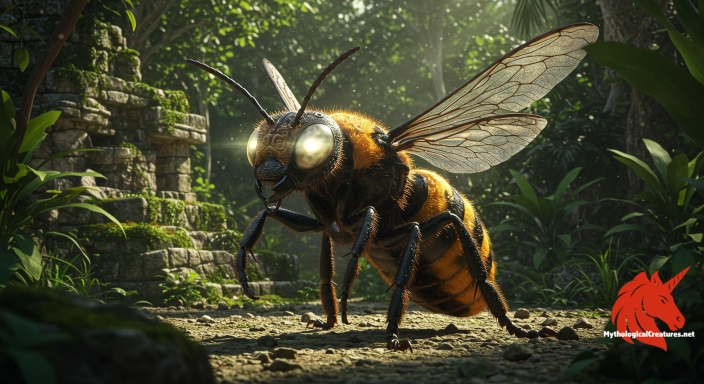
Curated by the Mythological Creatures Team
Series editor: Mythological Creatures Directory
Primary desk: Hellenic & Ancient Mediterranean Desk
(rev. November 2025)