
Vishap: The Vishap is a fearsome mythological dragon from Armenian lore.
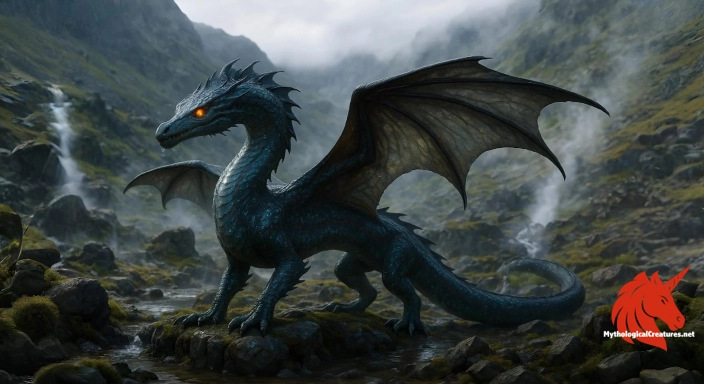
Vishap
Vishap - Represents the convergence of natural forces such as water, storms, and volcanic energy, and is a symbol of power, fertility, and wealth that was both revered and feared.
Origins & First Encounters
Vishap stands out in Armenian mythology as a unique water-connected dragon with origins that intertwine natural phenomena and ancient belief. Its presence is deeply embedded in the cultural fabric of the region, emerging from a time when natural forces were personified in myth. The creature’s connection to Mount Ararat, with its volcanic temperament and seismic activity, offers insight into how early communities understood their environment. This mythic figure has been part of a rich oral tradition that predates many written records, symbolising both the life-giving and destructive powers of nature. Its dual ability to traverse between the earth and the skies reflects an intricate balance of chaos and fertility. Vishap has been depicted over centuries in narratives that emphasise its role in governing storms and eclipses, capturing the imagination of its people. The creature’s multifaceted symbolism of water, wealth, and power is a testament to its lasting significance. Even today, the enduring legacy of Vishap continues to influence artistic expressions and cultural rituals in Armenia. Its myth encapsulates an ancient worldview where the forces of nature were revered and feared in equal measure.
Source Texts & Tale Variants
Ancient texts and oral testimonies form the backbone of the Vishap myth, providing varied accounts of its exploits and characteristics. Narratives preserved in regional folklore recount dramatic tales of epic battles and supernatural occurrences. Stories have been transmitted through generations by bards and storytellers, enriching the collective memory of Armenian culture. Several manuscripts, carved inscriptions, and traditional epic poems mention this fearsome creature, highlighting its central role in ancient mythic narratives. Variations of the story, including accounts of Vishap stealing children and replacing them with malevolent spirits, illustrate the diverse symbolic roles it played. These fragments from different historical periods reveal a creature that was not merely destructive but also linked with water, fertility, and even prosperity. Some accounts portray Vishap as a mediator between man and nature, while others emphasise its part in cosmic struggles. The multiplicity of sources offers a complex picture, where each version contributes to the layered mythos of this legendary dragon. Diverse story variants highlight the creature’s evolution as folklore spread across various regions and communities.
Form & Powers
The Vishap is commonly depicted as a formidable winged serpent whose form combines the features of various animals into a single awe-inspiring entity. Its elongated body, covered in shimmering scales, mirrors the fluidity of water while exuding an intimidating presence. Leathery, expansive wings give it the appearance of a creature capable of bridging the terrestrial and the celestial. Artistic renditions often highlight a sinuous form with striking eyes, sharp fangs, and occasionally horn-like protrusions that hint at its mythical ancestry. Certain portrayals add features reminiscent of terrestrial predators, including robust limbs and a muscular tail that enhances its dynamic silhouette. The creature’s head is sometimes illustrated with fin-like structures and a subtle glow, symbolising the internal energies that govern natural phenomena. Its overall size fluctuates in descriptions, ranging from a sleek, agile form to a colossal deity that dominates the stormy skies. Intricate detail in traditional art underscores the Vishap’s hybrid composition, celebrating both its serpentine grace and its fearsome might. This rich iconography encapsulates a being that is as elegant as it is formidable, reflecting a deep understanding of nature’s power.
Regional Faces
While the myth of Vishap is firmly rooted in Armenian tradition, its influence extends to neighbouring cultures, each adapting its image to local environments and social contexts. In regions adjoining Eastern Anatolia, depictions tend to highlight a more streamlined, aerodynamic form, suited to the depiction of storm-bringing deities. Local adaptations sometimes emphasise a purely serpentine structure, underscoring regional artistic styles that prefer fluid, sinuous lines. In parts of the Caucasus and Eastern Europe, legends portray Vishap as an entity closely tied to water fertility and the cycles of nature. This cross-cultural diffusion has seen the creature’s attributes modified to align with local rituals and environmental concerns. Variants may incorporate additional elements such as extra limbs or distinctive headgear, reflecting the diverse mythological traditions of different peoples. In some local stories, Vishap is credited with the creation of natural landmarks or celebrated for its role in seasonal transformations. Such regional reinterpretations demonstrate how a shared myth can adapt to a multitude of cultural narratives and natural landscapes. The evolution of the Vishap myth across borders reveals a common human fascination with harnessing the forces of nature through storytelling.
Cultural Parallels
The narrative of Vishap shares many thematic elements with dragon myths found across different cultures, offering an intriguing ground for comparative analysis. This creature’s embodiment of both creative fertility and destructive chaos is reminiscent of the Leviathan in Western traditions. Similar to the dragons in East Asian lore, Vishap represents a dual nature that is both benevolent and fearsome, engaging in cosmic battles that personify nature’s unpredictability. Diverse mythic traditions use dragon imagery to express similar concerns with the balance between order and chaos, a motif also evident in the struggle between Vishap and the heroic Vahagn. Such shared symbols serve as a reminder of the universal human experience in confronting and venerating natural phenomena. Comparative studies reveal that while the cultural contexts differ, the essential narrative of a colossal, water-associated beast remains a powerful archetype. These parallels highlight a crossroads of mythology where themes of natural disaster, prosperity, and divine intervention converge. The Vishap, like its counterparts in other mythologies, encapsulates the enigmatic relationship humans have with their environment. In drawing these comparisons, one finds that Vishap is part of a broader tapestry of dragon myths that, despite regional variations, echo a timeless human struggle against nature's overwhelming power.
Legacy & Modern Evolution
The historical evolution of Vishap reflects shifting cultural narratives and the reinterpretation of ancient symbols over time. Early depictions emphasised its connection with volcanic peaks and tempestuous weather, echoing a deep-seated fear and reverence for uncontrollable natural forces. As societal values evolved, the myth of Vishap transitioned into a symbol of both caution and the majestic power of nature. In modern times, the creature has been embraced as a cultural icon, reimagined in art, literature, and public monuments that capture its timeless appeal. Contemporary representations often blend traditional iconography with modern aesthetics, thereby reshaping the creature into a symbol of national heritage and artistic expression. Public displays like the statue dedicated to Vahagn in Yerevan serve as commemorations of ancient myth while inspiring current generations to explore their historical identity. Modern adaptations continue to highlight the dual nature of Vishap, reflecting on themes of renewal, natural wonder, and even the challenges of modernity. The creature's enduring legacy is also evident in cultural festivals, educational initiatives, and tourism, where its myth enlivens the local and international imagination. In reinterpreting this ancient dragon, both artists and scholars affirm the enduring impact of mythology on contemporary cultural consciousness.
Interesting Fact
An intriguing aspect of the Vishap myth is its association with Mount Ararat, where geological phenomena such as volcanic activity and earthquakes likely inspired tales of a dragon descending from the sky.
Support the directory
Promote your myth project and fund more research
Sponsor placements help keep this directory growing and free to use while giving your work a focused, relevant audience.
Learn how sponsorship worksQuick Creature Info
Features:
Associations:
Our Mythic Legendary Rating:

Also Sometimes Known As:
Habitat:
Supernatural Powers:
Physical Attributes:
Abilities:
Behavior:
Weaknesses:
Lore:
Related Creatures, Tales or Lore
References
Discover Another Mythical Legend You May Not Have Heard Of?
Uncover the mysteries of ancient folklore and expand your knowledge of legendary beings from cultures around the world.
Dare to Meet the Caipora....

Curated by the Mythological Creatures Team
Series editor: Mythological Creatures Directory
Primary desk: Hellenic & Ancient Mediterranean Desk
(rev. November 2025)