
Wihwin: Wihwin is a malevolent water spirit from Central America, deeply rooted in Miskito folklore.
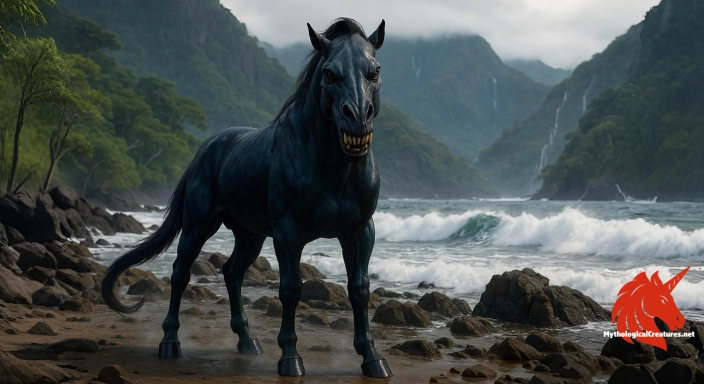
Wihwin
Wihwin - Acts as a cautionary figure in Miskito folklore, embodying the unpredictable dangers of water and the wild, and linking aquatic terror with terrestrial menace.
the legend in five swipes.
the legend in five swipes.
Who first told stories about the Wihwin?
Wihwin is a notorious water spirit rooted in Central American lore and closely intertwined with the traditions of the Miskito people. Emerging from an ancient cultural tapestry, this malevolent entity has captured imaginations through generations of oral storytelling. Its early mentions, passed along in community gatherings and ritual recitations, hint at both mystery and terror. The creature is portrayed as an enigmatic guardian of the watery depths, while also serving as a punisher for those who wander too close. Its evolution in legend reflects the merging of nature’s unpredictable forces with human fears of the unknown. The spirit has been embraced as a personification of water’s dual role as both nurturer and destroyer. This fascinating mythological figure is shrouded in ambiguity, embodying the balance between beauty and horror in the natural world. Melding the everyday with the supernatural, the Wihwin represents a complex narrative that resonates with ancestral wisdom. In every telling, the creature mirrors the intricate relationship between humanity and the elemental forces of nature.
Wihwin in the Historical Record
The earliest attestations of the Wihwin are embedded in the rich oral traditions of the Miskito tribe, where elders passed down tales of its fearsome presence. Subsequent narratives have been recorded by early explorers and chroniclers who encountered the indigenous accounts with both curiosity and trepidation. Multiple story variants have emerged over time, each adding its own layers of detail about the creature’s nocturnal prowls and shifting habitats. Some versions focus on its aquatic origins, while others highlight its seasonal wanderings into mountain ridges during summer months. The recorded sources often relay breathtaking descriptions of its predatory habits and otherworldly appearance. Oral accounts have been supplemented in later centuries by written texts that strive to capture the spirit’s mythic qualities. Variations in storytelling have allowed for a diversity of interpretations, each coloured by local perspectives and environmental influences. The enduring nature of these stories underlines the adaptability of myth as it passes between generations. This continuous exchange of narratives has embedded the Wihwin firmly within the broader folklore traditions of the region.
What powers did the Wihwin have?
The Wihwin is strikingly depicted with the form of a horse, an unusual aspect that sets it apart from typical water deities. Its silhouette is defined by powerful, elongated limbs that convey both strength and an eerie grace. The creature's head is especially fearsome, boasting a massive gape lined with rows of jagged, horrific teeth. Observers have noted that its eyes seem to burn with an unworldly intensity, lending it a ghostly aura when seen in the dark. The body of the Wihwin is often described as a blend of fluid aquatic shapes and the robust build of a terrestrial predator. Its skin is said to have a slick, almost reflective quality, reminiscent of the surface of still water under moonlight. Some accounts suggest that the texture of its hide shifts, almost as if mirroring the turbulent nature of its environment. The overall size of the creature varies in descriptions, ranging from a formidable presence to a more agile, haunting spectre. Each vivid detail of its anatomy enhances the terrifying charm of a being that exists on the boundary between the natural and the supernatural.
Where was the Wihwin best known?
Local impressions of the Wihwin vary significantly, reflecting the diverse landscapes of Central America where its legend thrives. In coastal areas, community lore paints it as a colossal force patronising the mysterious realms of the sea, while inland villages recount eerie episodes in riverine and mountainous settings. Variations in the creature’s portrayal often depend on regional environmental conditions, with some areas emphasising its liquid, almost shapeshifting qualities, and others detailing a more solid, beastly form. These local adaptations lend the Wihwin a chameleon-like character, seamlessly shifting between the fluidity of water and the solidity of land. Rural narratives frequently intertwine the myth with local omens and natural phenomena, casting the creature as both a protector and a harbinger of doom. Subtle differences in its described size and ferocity reflect the unique relationship each community has with their natural surroundings. In some highland areas, the spirit is even credited with influencing weather patterns and seasonal changes. The rich tapestry of regional narratives showcases how diverse cultures mould a single myth into numerous local interpretations. This dynamic interaction between legend and landscape ensures that every telling of the Wihwin remains uniquely poignant to its community of origin.
Wihwin: Echoes in Other Mythologies
The legend of the Wihwin shares striking parallels with many other water-bound mythological creatures across the world. Like the kelpie of Scotland, it embodies both the allure and danger of water, seducing unwary travellers into peril. Its spectral qualities are also reminiscent of the Scandinavian bäckahäst, a ghostly steed that haunts secluded waterways. Similar to the Australian bunyip, the Wihwin represents an amalgamation of natural mystery and cultural caution, warning of the threats that hide in aquatic depths. These cross-cultural comparisons highlight a universal human fascination with the unknown dangers lurking beneath the water’s surface. Each culture, while distinct in its traditions, grapples with the challenge of explaining nature’s unpredictable forces through such legends. The recurring themes of deception, predation, and supernatural beauty underscore a shared mythic archetype that transcends geographical boundaries. In blending familiar equine features with the enchantment of water, the Wihwin stands alongside its counterparts as a symbol of nature’s dual potential for both creation and destruction. This interconnected web of myths illustrates how diverse peoples find common ground in the mysteries of the natural world.
What happened to the legend of the Wihwin?
Over the centuries, the myth of the Wihwin has undergone a significant transformation, evolving from an oral cautionary tale into a modern symbol of dark natural power. What began as a local warning has blossomed into a subject of artistic and literary reinterpretation, capturing the imagination of a new generation. Its fearsome visage now inspires not only traditional storytelling but also contemporary horror literature, film, and digital media. Modern portrayals often blend historical attributes with inventive elements, deepening its allure as a mysterious and formidable being. Cultural reinterpretations have led to its depiction in graphic art and local festivals where the spirit is celebrated as an emblem of ancestral heritage. Scholars and creative minds alike revisit ancient narratives to reimagine the Wihwin’s role in environmental allegory and cultural identity. In doing so, the creature is not only a remnant of past fears but also a dynamic symbol that reflects current environmental anxieties. Through this process of reinvention, the Wihwin continues to occupy a vital space in both traditional lore and modern myth-making. Its legacy remains a testament to the enduring power of storytelling and the ability of ancient myths to adapt to the evolving modern world.
Interesting Fact
A unique aspect of Wihwin is its seasonal shift from the sea to mountain ridges, underlining the fluidity of myth and the intricate link between environmental forces and legendary terror in Central American folklore.
Mythological Treasures
Norse Sagas: A field guide to the beasts of the Viking world
Drawn from the saga accounts themselves, with the powers, weaknesses and doom of each being set out.
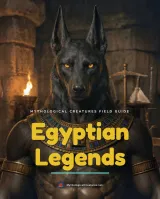
Egyptian Legends: A field guide to the gods and monsters of ancient Egypt
Guardians of the living and devourers of the dead, with the role each played in judgement.
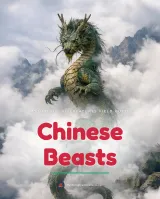
Chinese Beasts: A field guide to the dragons and demon kings of Chinese myth
From river dragons to demon kings, with the legends that shaped five thousand years of storytelling.
the legend in five swipes.
Limited sponsor opportunity
One slot, carefully chosen partners
We only feature a small number of relevant sponsors at any time. If you create serious myth content, we would like to hear from you.
Partner with usQuick Creature Info
Origin:
Features:
Associations:
Our Mythic Legendary Rating:

Habitat:
Supernatural Powers:
Physical Attributes:
Abilities:
Behavior:
Lore:
References
Discover Another Mythical Legend You May Not Have Heard Of?
Uncover the mysteries of ancient folklore and expand your knowledge of legendary beings from cultures around the world.
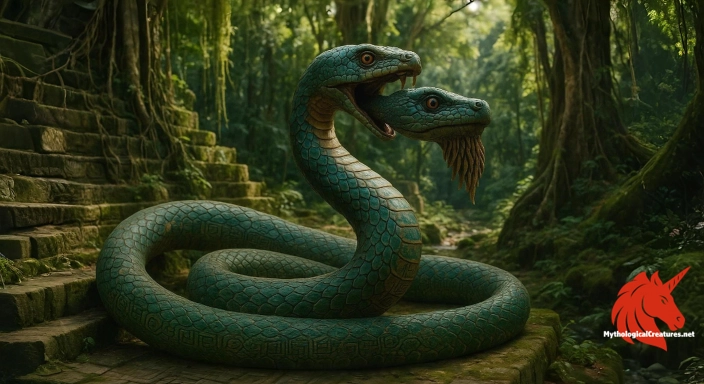
Dare to Meet the Vision Serpent....
The Mythological Creatures Book Series
Yōkai, Greek, Norse, Egyptian & Chinese. Five illustrated field guides to the creatures the old stories either warned or told you about.

Curated by the Mythological Creatures Team
Series editor: Mythological Creatures Directory
Primary desk: Americas & Indigenous Traditions Desk
(rev. November 2025)