
Xana: The Xana is a mythological water spirit from Asturian folklore, renowned for her extraordinary beauty and ethereal presence.
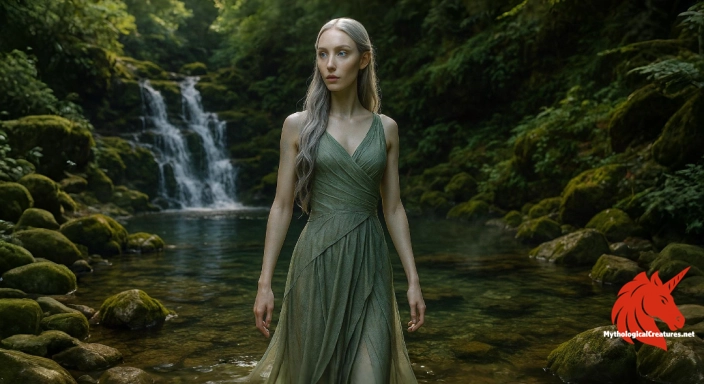
Xana
Xana - Represents the mystical allure of water and nature in Asturian folklore, symbolising purity and the enchanting spirit of natural water sources.
Origins & First Encounters
Deeply rooted in the fertile folklore of Asturias, the Xana emerges as an enchanting figure whose mystique continues to captivate those who hear her tales. Her origins are shrouded in ancient myth, with early accounts depicting her as a guardian spirit of clear, life-giving waters. Born of a cultural tradition that venerates nature’s mysteries, she has long been portrayed as a being of extraordinary beauty and delicate grace. Legends hold that she inhabits fountains, rivers, waterfalls, and secluded forest streams that sparkle with purity. The name itself is often thought to be linked with the revered Roman goddess Diana, hinting at intriguing layers of cultural and historical resonance. Local toponyms, scattered throughout the Asturian landscape, mark the sites where her presence was once, and sometimes still is, felt. Over time, her portrayal has shifted from a simple water sprite to a complex symbol of nature’s allure and unpredictability. The Xana represents not only the beauty of natural landscapes but also the enigmatic forces that lie beneath the surface of everyday life. Her myth has served as a bridge between the tangible world and the realm of the supernatural, offering insights into the ancient rituals and beliefs of the region. In a land where the river and forest hold sacred meaning, the Xana remains an enduring emblem of mystery and feminine power.
Source Texts & Tale Variants
The primary sources of the Xana’s legend are steeped in oral tradition, passed down through generations in the remote communities of Asturias. Her story is recounted through local ballads, folklore, and traditional narratives which capture both her benevolent and capricious aspects. Numerous accounts mention her dwelling in secluded, untouched pockets of nature, often near the very waters that sustain local life. Varying retellings illustrate her interactions with humans, sometimes offering aid, while in other tales leading wanderers astray with her enchanting allure. These oral narratives have been complemented by later literary works that attempt to capture the subtle interplay between beauty and danger inherent in her character. The Xana’s myth has also been preserved in folk festivals and local customs that celebrate the magic of water and the wild. While the earliest mention of her may have been a simple story, over time, regional narrators have embellished her legend with additional layers of symbolism and mystery. Modern adaptations in literature and art continue to draw from these sources, ensuring her myth remains a living part of regional culture. The diverse variants across different communities provide a rich tapestry of perspectives on her role as a guardian of nature’s most precious resources. Each narrative variant offers a unique glimpse into how ancient peoples understood the forces of the natural world.
Form & Powers
The Xana is consistently celebrated for her otherworldly beauty, which is described with an almost ethereal precision. Her appearance is often portrayed as delicate and refined, with luminous skin that mirrors the glow of moonlit water. Many accounts depict her long, flowing hair that shimmers like ripples on a tranquil stream, inviting the gaze of anyone fortunate enough to witness her presence. Her eyes are frequently said to be as deep and clear as the purest water, radiating an aura of both mystery and allure. The form she takes can seem both luminous and transient, reflecting the sparkling surface of water on a sunny day. Some depictions suggest she is of a diminutive yet graceful stature, capable of moving with a fluid, almost liquid elegance through her natural surroundings. Variations in her physical description are not uncommon, with some legends attributing a more ethereal, almost ghost-like appearance to her form. Her attire is sometimes imagined as woven from the very essence of the natural world, adorned with elements reminiscent of river reeds and delicate blossoms. The visual details surrounding her create a powerful impression of a being who is as much a part of nature as the waters and woods themselves. Collectively, these descriptions contribute to an image of the Xana that is as beguiling as it is enigmatic, a true embodiment of nature’s beauty and mystery.
Regional Faces
Across different regions, the Xana takes on characteristics that reflect the unique cultural landscapes of those locales. In Asturias, she remains closely tied to the pristine availability of natural water sources, while in neighbouring Eastern Galician and Cantabrian traditions, she appears under variations such as the Anjana. Local adaptations have allowed each community to imbue her with attributes that speak to their particular natural surroundings and environmental concerns. In some areas, the Xana is not only a water spirit but also a symbol of the wild, untamed aspects of the forest and countryside. Folk beliefs in certain regions suggest that these beings could either bestow blessings or bring gentle misfortune, adding an element of moral duality to her character. Her very name and the sites associated with her are woven into local geography, reinforcing her presence in everyday communal consciousness. These regional nuances often colour her stories with specific local myths, such as particular springs or groves believed to be her dwelling places. The regional variations serve as testimony to the adaptability of myth, showing how one figure can be reinterpreted to reflect diverse cultural and natural environments over time. Each local tradition revisits her legacy in a way that connects deeply with the community’s own identity and relationship with the landscape. Thus, the Xana transcends geographical boundaries, while still absorbing the unique spirit of each region in which she is celebrated.
Cultural Parallels
The figure of the Xana finds intriguing parallels with similar water-associated deities and spirits found throughout Europe. Her connection to natural water sources and the embodiment of beauty evoke comparisons with Greek nymphs and the Roman goddess Diana from whom her name may be partly derived. In neighbouring mythologies, similar figures such as the Anjanas share many attributes with the Xana, highlighting a broader cultural dialogue among ancient Iberian peoples. Comparable spirits can also be found in the folk traditions of Celtic lands, where water sprites and fairies are intertwined with the rhythms of nature. Such cross-cultural connections underscore a universal fascination with the wild, life-sustaining forces that water represents. In comparative mythology, the dual nature of these water beings—as sources of grace and potential peril—illustrates common themes that transcend specific cultural boundaries. The Xana stands as a mirror to these international archetypes, encapsulating both the nurturing and the unpredictable aspects of nature. Her image resonates with audiences as a timeless symbol, reflecting humanity's enduring interplay with natural forces. Moreover, these mythological analogues help to illuminate the unique way in which Scandinavian, Celtic, and Mediterranean cultures have understood the interplay between humanity and the natural world. The rich tapestry of comparative mythology thus finds in the Xana a distinctive yet universally relevant expression of the mystery and magic of water.
Legacy & Modern Evolution
Over the centuries, the depiction of the Xana has evolved in remarkable ways, reflecting shifts in societal values and artistic expression. Traditionally seen as a mystical guardian of pure waters, she has become a potent symbol of nature’s resilience and its subtle, enduring power. Contemporary interpretations often place her within the context of environmental consciousness, serving as an emblem of the need to preserve natural landscapes and sacred water sources. Artistic representations in modern literature and visual arts have reimagined her as both a protector of the natural world and as a figure of sublime feminine mystique. The evolution of her myth has also seen her portrayed with elements of both romance and melancholy, embodying the timeless allure of the untamed wild. Contemporary festivals and cultural events in Asturias and surrounding regions still celebrate her legend, weaving the old myths with new interpretations that speak to modern audiences. Digital media and fantasy genres have further revitalised her mythos, creating narratives in which the Xana operates in realms that merge tradition with innovation. This enduring legacy not only highlights the adaptability of myth but also reinforces the Xana’s role as a cultural touchstone. Her image has come to represent a delicate balance between beauty and volatility, a reflection of the modern world's complex relationship with nature. As communities continue to celebrate and reinterpret her story, the Xana remains a vibrant symbol of cultural continuity and imaginative creativity.
Interesting Fact
The etymology of 'Xana' is thought to derive from the Latin 'Diana', linking her to the ancient Roman goddess and highlighting the syncretic evolution of myth in the Iberian Peninsula.
For indie creators
Give your myth project a permanent home
Indie authors, artists, small studios, and makers can secure an annual, non-intrusive sponsor slot that meets readers where they explore.
Obtain more informationQuick Creature Info
Associations:
Our Mythic Legendary Rating:

Also Sometimes Known As:
Habitat:
Supernatural Powers:
Physical Attributes:
Abilities:
Behavior:
Lore:
Related Creatures, Tales or Lore
- NNaiads
- OOndines
- NNereids
References
Discover Another Mythical Legend You May Not Have Heard Of?
Uncover the mysteries of ancient folklore and expand your knowledge of legendary beings from cultures around the world.
Dare to Meet the Stallo....

Curated by the Mythological Creatures Team
Series editor: Mythological Creatures Directory
Primary desk: Hellenic & Ancient Mediterranean Desk
(rev. November 2025)