
Yahui: Yahui is a supernatural, hybrid figure from pre-Columbian Mixtec culture, depicted in both animal and human-animal (nahual) forms.
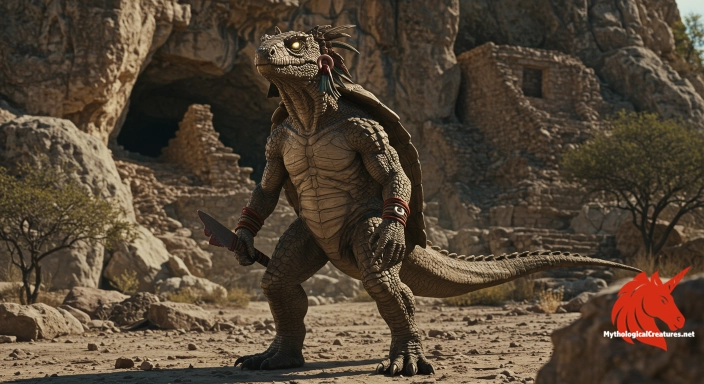
Yahui
Yahui - Yahui is a recurring motif in Mixtec iconography, symbolizing cosmological origins and ritual authority within pre-Columbian culture.
Origins & First Encounters
The yahui emerges as a captivating supernatural figure deeply embedded in the indigenous traditions of the Mixtec people of La Mixteca in central-southeastern Mexico. Its origins stretch back to the pre-Columbian era, where myth and ritual intertwine with everyday life. The figure is renowned for its dual nature, seamlessly blending human ingenuity with animalistic power in a way that challenges the boundaries of natural form. Early depictions in Mixtec codices reveal a culture that revered transformative beings as mediators between the earthly and the divine. Intricate narratives spun around the yahui suggest an association with the mysteries of creation, ritual sacrifice, and cosmic balance. Artists skilfully portrayed the creature in multiple forms, each reflecting complex theological ideas and local traditions. The enigmatic character of the yahui symbolises both human potential and the unpredictable forces of nature, echoing themes of regeneration and renewal. Its enduring presence in pre-Columbian art continues to stimulate interest in its symbolic roles and cultural meanings.
Source Texts & Tale Variants
Documentation of the yahui is primarily rooted in a collection of ancient Mixtec codices, including the Codex Zouche-Nuttall, Codex Vindobonensis Mexicanus I, Codex Selden, Codex Bodley, Codex Egerton, and Codex Becker I/II. These sources provide a multifaceted glimpse into the creature’s mythological function and its ritualistic importance. Variants in its representation showcase a sophisticated narrative tradition that allowed for multiple interpretations, from its role in cosmogony to that of a symbolic precursor in sacrifice. In codices like the Codex Bodley, the incorporation of the flint-flame motif acts not only as an artistic flourish but also as a phonetic marker to convey identity. Alternate portrayals include the presentation of the yahui in both its animal and nahual forms, each imbued with distinct ceremonial connotations. Beyond the codices, artistic impressions found in Zapotec tombs further attest to the figure’s widespread mythological relevance. These primary sources have been instrumental in piecing together the labyrinthine stories that envelop the yahui. The narratives drawn from these manuscripts continue to enrich our understanding of pre-Columbian ritual and symbolism.
Form & Powers
Examinations of the yahui’s physical characteristics reveal an intricate blend of human and animal attributes that challenge conventional forms. In its animal guise, the creature is commonly depicted with a reptilian head that exudes both power and mystery. A distinguishing tortoise shell serves as its body framework, evoking themes of endurance and protective might. The inclusion of reptilian arms and legs, complete with formidable claws, amplifies the sense of an otherworldly, predatory force. Notably, the presence of a flint-fire motif on both the tip of the tail and the nose accentuates its connection to primordial energy and transformation. In the nahual interpretation, the integration of a human head with animal features not only blurs the boundary between man and beast but also symbolises the potential for metamorphosis. Variations in its physical representation across different codices highlight regional artistic influences and evolving cultural emphases. Each detail, from the ceremonial headdress to the subtle scale patterns, has been carefully crafted to communicate the yahui’s sacred and enigmatic essence.
Regional Faces
While the core iconography of the yahui remains rooted in Mixtec tradition, regional interpretations and artistic nuances have introduced a variety of subtle modifications. In the heart of La Mixteca, the creature is consistently portrayed with a reptilian headdress and a tortoise shell body, underscoring its pivotal role in local cosmology. Adjacent regions have adapted its imagery to align with local environmental elements and cultural narratives, thereby enriching its symbolism. In certain depictions emerging from nearby areas, additional ornamental details such as refined facial features or symbolic regalia have been added to accentuate local spiritual themes. The yahui’s appearance in Zapotec tomb art, for instance, reveals parallels with other regional motifs, suggesting an artistic dialogue between neighbouring cultures. These adaptations serve as a testament to the dynamism and fluidity of pre-Columbian artistic expression. Localised renditions sometimes incorporate variations in colour, scale and posture to mirror the ecological and social contexts of their origin. The diversity in visual representation also reflects how different communities imbued the creature with meanings relevant to their own rites and rituals. Such regional nuances collectively attest to the yahui’s versatility and enduring appeal as a symbol across diverse cultural landscapes.
Cultural Parallels
The yahui shares thematic and visual resonances with a range of mythological figures across Mesoamerica and beyond. Its synthesis of human and animal forms is reminiscent of the broader nahual tradition, where shape-shifting entities bridge the gap between the human realm and the forces of nature. Similar to other iconic deities like Quetzalcoatl, the yahui embodies a profound connection to both creation and destruction, echoing dualistic motifs that pervade Mesoamerican lore. Its reptilian attributes find parallels in similar serpentine figures, underlining a common symbolic association with regeneration and the cyclical renewal of life. The emphasis on fire and transformation, as highlighted by its flint-flame motifs, accords with global mythic themes that link elemental forces with spiritual transcendence. Comparisons can also be drawn to mythic hybrids in other cultures, where the interplay of human and animal characteristics often serves to illustrate the complexity of nature. This cross-cultural phenomenon underscores a shared ancient human fascination with liminality and metamorphosis. One can observe that the yahui, while uniquely nuanced in its Mixtec context, is part of a broader tapestry of mythological narratives that explore the thresholds between civilisation and the raw forces of the natural world. Such comparative insights shed light on the universal appeal of hybrid beings and their pivotal role in articulating human cosmological experiences.
Legacy & Modern Evolution
Over time, the depiction and interpretation of the yahui have undergone significant evolution, reflecting shifts in cultural, social and artistic paradigms. Its early portrayals in foundational codices served not only religious and ritual purposes but also as emblematic representations of power and cosmic order. As historical narratives unfolded, the yahui came to embody a broader symbol of transformation, both in a literal and metaphorical sense. Modern interest in pre-Columbian art has rekindled the allure of the yahui, prompting new interpretations that blend traditional iconography with contemporary artistic expressions. Today, indigenous communities and scholars alike invoke the figure as a marker of cultural identity and ancestral wisdom. Its image appears in academic studies, museum exhibitions, and even modern visual arts, where it is reimagined to address contemporary themes of resilience and transformation. This persistent relevance highlights how mythological symbols can adapt to changing contexts without losing their original resonance. The legacy of the yahui serves as a bridge between ancient cosmologies and modern narratives, inviting ongoing dialogue about the nature of myth, identity and spiritual renewal.
Interesting Fact
Yahui uniquely bridges the realms of animal symbolism and human ritual agency, serving both as an emblem in personal name iconography and as a key figure in the cosmological narratives of Mixtec culture.
Curated sponsor space
One subtle banner. Thousands of myth lovers.
We offer a small number of curated sponsor spots for relevant books, courses, games, and art. No clutter, just well-matched partners.
Partner with usQuick Creature Info
Origin:
Associations:
Our Mythic Legendary Rating:

Habitat:
Supernatural Powers:
Physical Attributes:
Abilities:
Behavior:
Lore:
Related Creatures, Tales or Lore
- NNagual
- XXiuhcoatl
- QQuetzalcoatl
References
Discover Another Mythical Legend You May Not Have Heard Of?
Uncover the mysteries of ancient folklore and expand your knowledge of legendary beings from cultures around the world.
Dare to Meet the Asrestar....
Curated by the Mythological Creatures Team
Series editor: Mythological Creatures Directory
Primary desk: Americas & Indigenous Traditions Desk
(rev. November 2025)