
Asrestar: Asrestar are a class of demonic entities in Manichaeism.
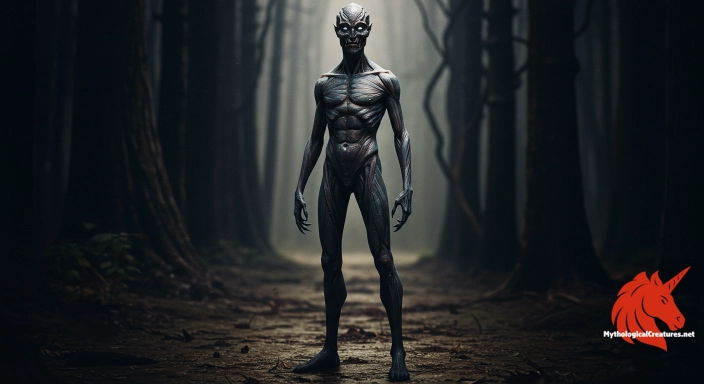
Asrestar
Asrestar - They explain the origins of evil and the inherent struggle between light and darkness within humanity.
Origins & First Encounters
The asrestar emerge as a distinctive class of demons within the intricate tapestry of Manichaean belief, integral to a narrative that blends divine light and shadowy darkness. They arise in the early creation myth where the essence of humanity is fashioned by merging luminous particles with an element of demonic origin. Their conception, set against a backdrop of cosmic duality, illustrates the Manichaean view of the perpetual struggle between light and materiality. This synthesis of opposites not only explains the origins of human sin but also underscores an enduring internal conflict.
The mythic architect Az is said to have intertwined the demonic with sacred light, forging a human soul that carries both celestial and corrupt tendencies. Such a narrative reflects a culture deeply engaged with questions of morality, presenting asrestar as both elusive entities and metaphors for human failings. The asrestar thus serve as persistent reminders of the complex interplay between the higher spiritual aspirations and the base instincts that afflict mankind. Over time, these beings have evolved into symbols that encapsulate the timeless struggle between our noble ideals and earthly challenges.
Source Texts & Tale Variants
The origin of the asrestar is documented in several core Manichaean texts, where they are woven into the foundational creation myth with vivid allegorical detail. Ancient scriptures depict them as enigmatic forces, integral to an account of mankind’s inception through the mixing of divine and demonic essences. These primary sources offer a multi-layered narrative in which every element, from the cosmic blend to the role of the eminent demon Šaklūn, is imbued with profound symbolism. The narratives provide a context in which the asrestar are not merely figments of myth, but active catalysts in maintaining the tension between light and darkness.
Additional variants proliferated in regional traditions that expanded upon the canonical texts, enriching the legacy of these demons. Peripheral accounts, transmitted through oral tradition and later literary reinterpretations, introduce subtle differences in their portrayal and significance. Fragments from Persian and Syriac sources, for instance, contribute alternative perspectives that underscore their demiurgic influence. This diverse range of texts and interpretations underscores the asrestar’s enduring presence within the mythological and theological traditions of Manichaeism.
Form & Powers
Visual depictions of the asrestar are characterised by their elusive and ambiguous forms, reflecting a nature that straddles both the corporeal and ethereal. They are often shown as amorphous silhouettes that blend into the background of shadow and light, deliberately lacking definitive features to underscore their intrinsic mystery. This indistinct anatomy symbolises their role in entrapping humanity within a material realm while simultaneously hinting at an underlying spark of divinity. Their images typically evoke an unsettling beauty, where the contours of demonic influence merge seamlessly with residual traces of sacred luminance.
The figure of Šaklūn, however, stands apart with more defined attributes that suggest a commanding presence within the pantheon of these beings. Artistic renditions of Šaklūn occasionally incorporate subtle features such as faint horns or a shifting halo, elements that emphasise his demiurgic role. The interplay of dark, sinuous forms with glimmers of light in these representations honours the core Manichaean theme of duality. Collectively, these physical portrayals invite viewers to contemplate the balance of opposing forces that define both the cosmic order and the human condition.
Regional Faces
Regional interpretations of the asrestar exhibit a fascinating diversity, mirroring the varying cultural climates in which Manichaeism spread. In eastern Persian communities, these demons are frequently depicted as transient, shadow-like figures interlaced with fleeting bursts of divine radiance. Local artistic traditions in Syriac regions often stress their role as harbingers of inner turmoil, capturing a more psychological dimension of these demonic forces. Such adaptations reflect an inherent desire to marry the abstract tenets of dualism with tangible local experiences.
In several cultural milieus, the asrestar have been reconfigured to resonate with indigenous narratives on the struggle between spiritual elevation and earthly entrapment. These reinterpretations often transform them into symbols of personal moral conflict rather than remote cosmic entities. Local folklore and literary works have enriched the asrestar’s mythos, imbuing them with traits that align with regional philosophical and spiritual preoccupations. Despite the variations in detail and emphasis, a consistent theme persists: the enduring conflict between light and darkness that defines human existence throughout diverse cultures.
Cultural Parallels
Across various mythological traditions, the asrestar have counterparts that embody a similar fusion of divine and demonic characteristics. They share intriguing parallels with the Gnostic archons and the Zoroastrian daevas, whose roles similarly navigate the boundaries between spiritual aspiration and corporeal limitation. This comparative view highlights a common mythopoetic interest in entities that reflect mankind’s inner conflicts and the deterioration of divine potential. Such figures often serve as personifications of temptations and imperfections inherent in the human spirit, utilising a balance of light and darkness to represent deeper metaphysical truths.
The asrestar also bear resemblance to the demiurgic principles found in classical mythology, where blurred distinctions between creator and adversary accentuate the tension in the human soul. Their ambiguous presence, echoing the dualistic themes seen in global mythologies, fosters an environment in which questions of morality and existence are continuously reexamined. This cross-cultural dialogue enriches our understanding of how different civilizations grapple with the concepts of evil and human fallibility. Ultimately, the asrestar stand as a compelling mirror to the recurring motif of an ever-present internal struggle that spans across the dimensions of time and culture.
Legacy & Modern Evolution
The evolution of the asrestar from esoteric religious symbols to broader cultural metaphors mirrors the profound shifts in interpretative frameworks over centuries. Initially, they were embedded deeply within the Manichaean narrative as definitive embodiments of material corruption and internal conflict. As theological and philosophical discourses advanced, these demons gradually came to be seen not merely as external malevolent forces, but as allegorical representations of humanity’s own darker impulses. This transformation in depiction reflects broader changes in spiritual thought, where inner psychological struggles began to receive as much attention as cosmic battles.
In modern cultural contexts, artistic and literary reimaginings have recast the asrestar as metaphors for the internal demons each individual must confront. Contemporary interpretations often relate them to the pervasive shadow of moral temptations and the complexity of the human condition. Their image has inspired various creative expressions in novels, films, and graphic art, where the ancient motif of duality is given fresh relevance. Today, the asrestar remain a potent symbol, inviting ongoing reflection on the perpetual interplay between our higher aspirations and the darker forces that seek to undermined our integrity.
Interesting Fact
A notable aspect of asrestar is their dual composition, embodying both demonic darkness and traces of divine light, which complicates traditional notions of demonic evil.
Support the directory
Promote your myth project and fund more research
Sponsor placements help keep this directory growing and free to use while giving your work a focused, relevant audience.
Learn how sponsorship worksQuick Creature Info
Origin:
Features:
Associations:
Our Mythic Legendary Rating:

Habitat:
Supernatural Powers:
Physical Attributes:
Abilities:
Behavior:
Weaknesses:
Lore:
Related Creatures, Tales or Lore
- AAhriman
- IIblis
- LLegion
References
Discover Another Mythical Legend You May Not Have Heard Of?
Uncover the mysteries of ancient folklore and expand your knowledge of legendary beings from cultures around the world.
Dare to Meet the Altamaha-ha....

Curated by the Mythological Creatures Team
Series editor: Mythological Creatures Directory
Primary desk: Hellenic & Ancient Mediterranean Desk
(rev. November 2025)