
Yarilo: Yarilo is the East and South Slavic god of vegetation, fertility and springtime.
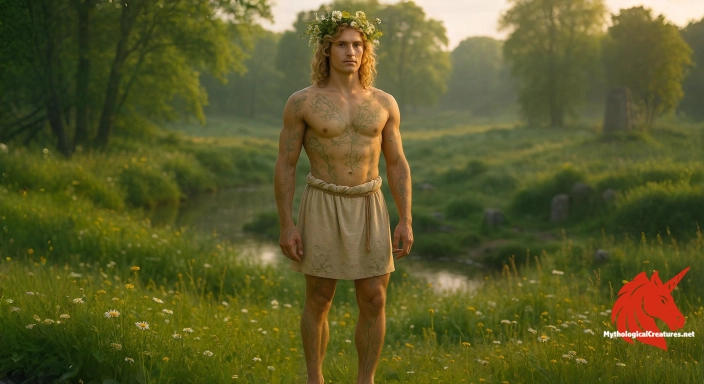
Yarilo
Yarilo - Yarilo embodies the cyclical renewal of nature and was central to pre-Christian Slavic rituals that celebrated the rebirth of the earth and the promise of fertility.
Origins & First Encounters
Yarilo is celebrated as a vibrant embodiment of spring’s awakening and the inexorable cycle of life within Slavic mythology. Emerging from pre-Christian traditions, he has long been revered in East and South Slavic cultures as the divine personification of vegetation, fertility, and the rejuvenation of nature. His lore, although scarcely preserved in early texts, thrives in the oral traditions and seasonal rites of rural communities, symbolising both the return of light after winter and the burgeoning energy of spring. Over centuries, the myth of Yarilo has blended the tangible rhythms of agricultural cycles with a supernatural vigour, a testament to his roots in agrarian societies. His many names, including Jarylo, Iarilo, Juraj, and Gerovit, reflect a complex interplay of linguistic influences and regional variations. As a figure who bridges the human and natural realms, he encapsulates the collective yearning for renewal and prosperity in times of change. His annual rebirth, celebrated in numerous festivals, underlines the deep historical ties between the seasons and the community’s well-being. The enduring allure of Yarilo lies in his ability to symbolise both the tangible fertility of the land and the abstract promise of rebirth.
Source Texts & Tale Variants
Stories of Yarilo have been transmitted through a patchwork of oral traditions, local folktales, and scant medieval references that hint at his ancient origins. While dedicated classical texts on his persona are rare, the deity’s essence has been maintained in ritual songs and seasonal customs among various Slavic communities. Early narrative fragments suggest that the worship of Yarilo was closely linked with springtime rituals designed to invoke abundance and ward off the lingering chills of winter. Diverse accounts, some recorded in East Slavic manuscripts and others in South Slavic collections, portray a dynamic character whose story evolved with changing socio-cultural landscapes. Folk narratives often present him as a catalyst for both physical renewal and communal celebration, encapsulating the fertility of the land. Although these sources rarely provide a comprehensive mythos, each version contributes vital nuances that mirror the local environment and agricultural traditions. Regional storytellers have interwoven his divine aspects with natural phenomena, thereby extending his myth beyond the confines of any single text. This mosaic of sources vividly illustrates how Yarilo’s story has been shaped by centuries of ritual practice and popular imagination.
Form & Powers
Artistic depictions of Yarilo often depict him as an embodiment of youthful exuberance and the raw power of nature’s renewal. He is typically envisioned as a lithe and robust figure, his form exuding both vitality and grace reminiscent of the first blooms of spring. His hair, flowing and unbound, is frequently compared to the cascading fields of grain or soft tendrils of newly sprouted vines. Adorned with garlands of fresh blossoms and verdant leaves, his crown symbolises an unending connection with the earth’s seasonal bounty. In many portrayals, subtle animalistic features—such as hints of horns or antlers—are interwoven with his human form, suggesting a mystical blend of natural forces. His eyes are often described as reflective and luminous, capturing the clear radiance of a spring sunrise. The attire attributed to him is modest yet carries an ethereal quality, mirroring the delicate transition between winter’s slumber and the vivid bloom of life. Such detailed iconography consistently reinforces his standing as the guardian of fertility and the harbinger of new beginnings.
Regional Faces
The figure of Yarilo shifts in nuance and emphasis as one moves across different Slavic landscapes, reflecting localized interpretations of his divine role. In Eastern Slavic regions, he is frequently invoked in village rites and seasonal festivals that mark the end of winter’s grip, with ritual dances and songs that celebrate the earth’s revival. In contrast, South Slavic traditions often portray him with a playfully mischievous aspect, blending his association with fertility with an affinity for joyful celebration. His many names, such as Jurij and Gerovit, underscore a rich tapestry of linguistic and cultural variation that mirrors the diverse historical influences within the region. In some areas, his image is closely linked with agricultural prosperity, while in other locales, he is integrally tied to local myths involving love, loss, and rebirth. Regional iconography may accentuate different attributes, from his commanding presence in the natural landscape to his more subtle, almost elusive qualities. These local adaptations highlight the flexible nature of myth, where the deity’s core symbolism is enriched by distinctive cultural practices. Together, these variations testify to the enduring significance of Yarilo in forging communal identities across a broad geographical canvas.
Cultural Parallels
There are marked resonances between Yarilo and other Indo-European deities who also embody themes of renewal, fertility, and the cyclic nature of existence. Like the Norse god Freyr, Yarilo symbolizes the bounty of the earth and the blessed interlude of springtime prosperity, reaffirming shared motifs among diverse mythological traditions. His seasonal rebirth bears a resemblance to regenerative deities in Mediterranean lore, where figures such as Dionysus also capture the dynamic interplay between life, death, and resurgence. Comparative analysis reveals that, while cultural contexts differ, the universal appeal of a deity who rejuvenates the land has inspired similar narratives across many ancient societies. Such parallels not only bridge distinct cultural mythologies but also underscore a common human experience of reverence for the natural cycles. These cross-cultural connections emphasize a shared spirituality that honours the fleeting nature of winter and the triumphant return of spring. Despite these similarities, Yarilo retains a distinct Slavic flavour in both his iconography and his mythological functions, marking him as uniquely attuned to the rhythms of Eastern and Southern European life. This interplay of common themes and local particularities enriches the broader understanding of a divine archetype that traverses cultural boundaries.
Legacy & Modern Evolution
The evolution of Yarilo’s myth from ancient cult practice to modern symbol reflects the intricate weaving of history, tradition, and contemporary cultural identity. As modern neo-pagan and folkloric movements have revisited traditional rituals, Yarilo has become an emblem of ecological renewal and the timeless cycle of life. Contemporary celebrations of spring often resurrect elements of his ancient rites, infusing modern festivities with the symbolism of rebirth and the natural rebounding of fertility. Artists, writers, and scholars have reinterpreted his imagery, blending historical motifs with modern aesthetic sensibilities that address themes of environmental stewardship and seasonal regeneration. His enduring legacy is evident in popular culture and community rituals that echo the ancient calls for abundance and vitality. While the stretch of time has transformed the details of his worship, the core appeal of a deity that embodies the promise of new beginnings remains potent. The integration of Yarilo’s myth into the modern narrative underscores a broader resurgence of interest in heritage and cultural roots. Ultimately, his story continues to inspire, reminding contemporary audiences of the deep, perennial bond between humanity and the natural world.
Interesting Fact
Yarilo’s myth reflects the ancient Slavic understanding of nature’s cycles, and his ritual death and resurrection may have influenced later seasonal festivals in Eastern Europe.
Partner with Mythological Creatures
Bring your myth-based world into ours
From game settings to narrative worlds, we work with partners who treat myths with care. Share your project for a potential sponsor slot.
Partner with usQuick Creature Info
Associations:
Our Mythic Legendary Rating:

Also Sometimes Known As:
Habitat:
Supernatural Powers:
Physical Attributes:
Abilities:
Behavior:
Lore:
Related Creatures, Tales or Lore
- AAdonis
- AAttis
- FFreyr
References
Discover Another Mythical Legend You May Not Have Heard Of?
Uncover the mysteries of ancient folklore and expand your knowledge of legendary beings from cultures around the world.
Dare to Meet the Bhairava....

Curated by the Mythological Creatures Team
Series editor: Mythological Creatures Directory
Primary desk: Northern & European Folklore Desk
(rev. November 2025)