
Ysätters-Kajsa: Ysätters-Kajsa is a legendary wind-troll from Närke in Sweden, immortalised in literature for her mischievous antics.
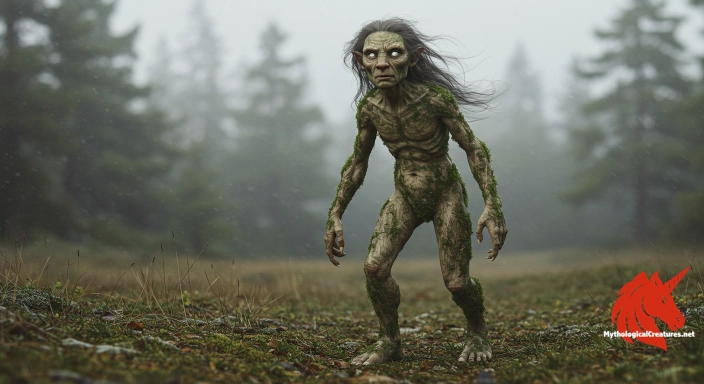
Ysätters-Kajsa
Ysätters-Kajsa - A unique wind-troll whose playful antics and mastery of the wind have cemented her place in Swedish cultural heritage.
Origins & First Encounters
Ysätters-Kajsa emerges as a singular figure within the rich tapestry of Swedish folklore, a wind-troll whose spirited presence has captivated local communities for generations. Born in the murky depths of the Ysätter swamp in Asker parish, her origins are intimately tied to the natural landscape of Närke. Her very name, with 'Kajsa' being a traditional appellation for wind-trolls, evokes a sense of familiarity and ancient connection to the local environment. The earliest literary evidence of her existence is found in the celebrated novel The Wonderful Adventures of Nils by Selma Lagerlöf, which helped cement her status in Swedish cultural memory. This enigmatic being straddles the fine line between mischief and benevolence, often using her command over the wind to both befuddle and delight those who encounter her. As a result, she has come to embody the unpredictable forces of nature as well as the timeless spirit of the wild. Her narrative is a compelling blend of local myth, oral tradition, and literary reinvention that reflects the dynamic interplay between man and the natural world. In many respects, Ysätters-Kajsa serves as an enduring emblem of a past in which the mysterious and the mundane were inextricably linked.
Source Texts & Tale Variants
The foremost account of Ysätters-Kajsa is found in Selma Lagerlöf’s renowned work, wherein her character is immortalised for a wider audience beyond the confines of local tradition. Alongside this celebrated literary reference, her tale was nurtured through generations of oral storytelling, ensuring that her legend retained its vitality and regional charm. Various accounts passed down among the inhabitants of Närke have recounted her pranks and capricious nature with equal measures of awe and amusement. These diverse narratives, while differing in tone and detail, all underscore her role as a mysterious agent of the wind. In some versions, she emerges as a gentle spirit whose playful interventions signal changes in the weather, while in others her antics suggest a more unpredictable temperament. Minor folktales and regional ballads have occasionally hinted at a dual nature, portraying her as both a protector of the natural world and a trickster who disrupts the human norm. Many of these sources, though not formally documented, contribute to a vibrant tapestry of myth that has enriched the folklore of the Swedish countryside. In essence, the various strands of her story, from polished literary texts to rustic oral traditions, weave together a complex picture of a timeless mythic entity.
Form & Powers
The physical manifestation of Ysätters-Kajsa is as elusive as the wind she commands, often depicted in visions that blur the boundaries between solid form and shifting air. Artists and folklorists alike have imagined her with an ethereal silhouette, one that seems to dance and dissolve with every changing gust. Her appearance is typically ambiguously defined—a delicate outline that can appear both human-like and hauntingly elemental. Some descriptions evoke an image of wild, unkempt hair that flows like the currents of a storm, and eyes that glimmer with the transient light of a breaking dawn. Her attire, when discernible at all, is often suggested to be woven from the very mists and reeds of the swamp, lending her an appearance that is as natural as it is otherworldly. There are tales in which her form varies with the weather, at times growing larger to stir mighty gales, and at others, diminishing to a mere whisper of a presence. Such variability in her physical representation underscores the fluidity inherent in her nature—a being not bound by the solidity of the human form. This ever-changing visage powerfully captures the very essence of the wind: at once both captivating and ungraspable.
Regional Faces
The legend of Ysätters-Kajsa is deeply rooted in the specific cultural soil of Närke, where her exploits have long been interwoven with the rhythms of local life. In Asker parish, where she is believed to have first drawn breath in the murky confines of the Ysätter swamp, every nuance of her story carries markers of a unique regional identity. Locals have passed down her tales through generations, attributing to her a role that is both entertaining and emblematic of the untamed forces of nature that define the area. In various depictions, her mirthful pranks and unpredictable moods are intertwined with the natural landmarks of Närke, making her an inseparable part of the local landscape. Despite the presence of other mythological creatures in Scandinavia, none share the distinct name or specialised attributes that mark her as the sole wind-troll of this region. Subtle regional variants in her portrayal reflect the intimate relationship the inhabitants have with their environment, where even the capricious wind is personified. These local adaptations of her myth often detail her interactions with the seasonal changes, the harvest, and the natural sounds of the Swedish countryside. Such narratives have reinforced her status not only as a supernatural being but also as a cultural symbol that mirrors the communal identity and environmental reverence of Närke.
Cultural Parallels
When considered alongside other mythological beings from northern Europe, Ysätters-Kajsa occupies a unique niche as a wind spirit with deep regional ties. Similar to the elusive fair folk of Celtic traditions or the roving elemental tricksters found in Slavic lore, her character encapsulates the human desire to personify the often inexplicable forces of nature. Unlike the more broadly defined spirits of the wind present in other cultures, her identity is tightly bound to the particular geography and history of Närke. This distinctiveness invites comparison with other regional legends in Scandinavia, where trolls and nature spirits often serve as metaphors for both chaos and renewal. The playful yet unpredictable qualities attributed to her are reminiscent of the dual nature found in similar mythic entities, balancing between benevolence and a capacity for mischief. In contrast to other aerodynamic deities, Ysätters-Kajsa’s narrative is less about grand cosmic influence and more about the intimate, everyday interplay between weather and human experience. Such cultural parallels enrich the broader discourse on nature worship and the human tendency to imbue natural phenomena with intentionality. Her myth, therefore, stands as a testament to the varied ways in which different cultures articulate their relationship with the natural world through personification and allegory.
Legacy & Modern Evolution
Over the years, the myth of Ysätters-Kajsa has transcended its origins in rustic folklore to become a cherished emblem of Swedish cultural heritage. Originally passed down as part of an oral tradition in Närke, her story received renewed prominence and formal recognition through the literary craft of Selma Lagerlöf. In modern times, her image has evolved, inspiring artists, writers, and local communities to reinterpret her tale in fresh and imaginative ways. Contemporary portrayals often highlight her connection to natural forces, casting her as both a playful trickster and a subtle guardian of the wind. As environmental themes gain traction in today’s cultural narratives, she is sometimes evoked as a reminder of the raw and unpredictable beauty of nature. Her presence endures in festivals, local folklore recitals, and artistic installations that aim to celebrate Sweden’s mythological traditions alongside its modern identity. The evolution of her story underscores a broader cultural evolution, where ancient myths are reimagined to engage with current ecological and aesthetic concerns. Ultimately, Ysätters-Kajsa continues to inspire modern interpretations that honour the enduring dialogue between humanity and the natural elements.
Interesting Fact
Despite being a solitary figure in Scandinavian mythology, Ysätters-Kajsa’s influence persists through literature and local tradition, highlighting the enduring power of folklore.
For indie creators
Give your myth project a permanent home
Indie authors, artists, small studios, and makers can secure an annual, non-intrusive sponsor slot that meets readers where they explore.
Obtain more informationQuick Creature Info
Origin:
Features:
Associations:
Our Mythic Legendary Rating:

Also Sometimes Known As:
Habitat:
Supernatural Powers:
Physical Attributes:
Abilities:
Behavior:
Weaknesses:
Lore:
Related Creatures, Tales or Lore
- MMountain Troll
- FForest Troll
- HHuldra
References
Discover Another Mythical Legend You May Not Have Heard Of?
Uncover the mysteries of ancient folklore and expand your knowledge of legendary beings from cultures around the world.
Dare to Meet the Kui....
-9c771568-9c5f-439b-be24-a91f2e0e754c_small.webp "Depiction of Kui")
Curated by the Mythological Creatures Team
Series editor: Mythological Creatures Directory
Primary desk: Northern & European Folklore Desk
(rev. November 2025)