
Kui: Kui is a mythological figure from Polynesian traditions with dual roles in Māori and Tuamotu mythologies.
-9c771568-9c5f-439b-be24-a91f2e0e754c_small.webp "Kui - Kui plays a dual role as both a protective chthonic deity in Māori lore and an ancestral patriarch in Tuamotu tradition, illustrating the fluid nature of Polynesian mythologies.")
Kui
Kui - Kui plays a dual role as both a protective chthonic deity in Māori lore and an ancestral patriarch in Tuamotu tradition, illustrating the fluid nature of Polynesian mythologies.
the legend in five swipes.
the legend in five swipes.
How did the legend of Kui begin?
Kui emerges in Polynesian mythology as an enigmatic chthonic demigoddess whose origins are woven into the spiritual landscape of the Māori people. In the traditional accounts, she is celebrated as the wife of Tuputupuwhenua, a potent subterranean figure who governs hidden realms beneath the earth. Her presence is intricately linked to domestic rites, as evidenced by the custom of offering a tuft of grass to honour her and safeguard new abodes. The mythos surrounding Kui reflects an ancient reverence for the natural world, melding ancestral veneration with the elements of the earth. Early traditions depict her as a guardian spirit whose influence extends from the deep underground to everyday life. Over time, her role has diverged, embodying both the nurturing aspects of nature and the stern, mysterious forces that operate beyond mortal ken. The intertwining of myth with practical rituals underscores a belief in the protective power of the unseen. Additionally, in the genealogies of the Tuamotu islands, the name Kui is ascribed to a progenitor, thereby reinforcing her multifaceted identity. This dual portrayal—as both a chthonic deity and a forebear—enhances her mystique and lasting relevance. Thus, Kui continues to inspire awe and reflection within the broader tapestry of Polynesian lore.
Who wrote down the legend of Kui?
The narrative of Kui is derived from a blend of oral tradition and scattered folkloric fragments that have been passed down over generations. Māori storytellers have long recounted tales of her existence beneath the surface, where she dwells with her consort, Tuputupuwhenua, influencing the rhythms of daily life and sacred rituals. These stories, while at times sparse in detail, focus on her association with the earth and its regenerative powers. The practice of offering a tuft of grass during new house constructions serves as a tangible reminder of her enduring presence. In parallel, records from the Tuamotu islands present a variant where Kui is linked to the ancestral lineage, being the father of Vahi-vero and the grandfather of the famed Rata. This geographic and genealogical divergence provides a rich tapestry of interpretations that underscore her complex character. Early colonial notes and ethnographic studies have captured snippets of her lore, although the complete narrative remains elusive. As these sources interlace, they reveal the layered aspects of her myth—ranging from protective deity to familial ancestor. Compellingly, the multiplicity of her story highlights the dynamic nature of myth-making in Polynesian cultures. In this way, the documented variants not only affirm her cultural significance but also invite ongoing exploration and reinterpretation.
Kui: Form, Powers and Weaknesses
Artistic portrayals of Kui often reveal a figure whose physical attributes echo the profound connection to the depths of the earth. She is frequently depicted with a complexion that mirrors the dark, fertile soil, signifying her chthonic essence. Her eyes, deep and penetrating, are imagined as reflective pools that capture the mystery of subterranean springs. In some renditions, her hair flows like tendrils of wild vines, intermingling with natural elements that further accentuate her elemental roots. The adornments attributed to her, be they crafted from stones, shells or woven fibres, underline a symbolic unity with nature. Her physique is portrayed as both robust and graceful, embodying the dual aspects of destruction and nurturing inherent in the earth itself. Artists have captured the mutable quality of her presence, suggesting that her physical form may change with the cycles of nature and the shifting moods of the land. This variability portrays her as a being of both beauty and formidable power. The imaginative depictions reflect an understanding of her role as a protector and mediator between the visible and the unseen. In summation, Kui’s physical symbolism is a rich tapestry that conveys the mystery, resilience, and vitality of the natural world.
How far did the story of Kui spread?
Regional interpretations of Kui reveal a tapestry of adaptations that mirror the diverse cultural landscapes within Polynesia. In the Māori context, she is predominantly envisioned as a chthonic demigoddess whose realm lies beneath the earth, playing a crucial role in rituals that accompany the construction of new dwellings. Communities across New Zealand observe the offering of a tuft of grass as a mark of respect, a practice that underscores her protective and benevolent influence. In contrast, traditions from the Tuamotu islands recast her identity, emphasising her genealogical importance as a progenitor within a celebrated lineage that includes figures like Vahi-vero and Rata. This regional variance highlights how local customs and environmental contexts shape her myth, allowing her character to meet specific communal needs and spiritual beliefs. Such differences underscore the flexibility of her narrative; while one version elevates her as a guardian of sacred spaces, another situates her within the fabric of family and ancestry. The distinct rituals and storytelling methods found in different islands further enrich the layers of her myth. The interplay between common themes and regional particularities demonstrates the universal role of nature and ancestry in the symbolic world of Polynesian cultures. Overall, these varying accounts serve to reinforce her status as an essential and multifaceted deity.
Kui: Cross-Cultural Comparisons
When examined in the broader context of world mythology, Kui’s intricate persona finds echoes in a number of comparable figures across diverse cultural landscapes. Similar to other chthonic deities, her dual embodiment as both a nurturing force and an agent of the mysterious underworld has parallels in deities such as the Greek Persephone, whose story intertwines themes of life, death, and rebirth. Like many indigenous spirits, Kui encapsulates the profound connection between the human experience and the natural environment, echoing the attributes of earth deities found in various cultural traditions. Her protective role over domestic spaces resonates with similar mythic figures who safeguard the thresholds between the mortal realm and the supernatural. Despite the geographical distance, this thematic overlap speaks to a common human reverence for the forces that govern the unseen. The blending of familial ancestry with cosmic power in her narrative also finds echoes in other global myths, where deities often serve as the cornerstone of both spiritual and kinship structures. Such comparative perspectives enrich the understanding of Kui by situating her within a wider narrative tradition that values the balance between nature, the divine, and cultural heritage. Moreover, these parallels highlight the universal quest to interpret the mysteries of the world through the personification of natural forces. Consequently, Kui stands not only as a central figure in Polynesian lore but also as part of a global mosaic of earth-centric deities.
Kui: The Legend's Second Life
The legacy of Kui continues to evolve, reflecting both the enduring power of ancient myth and its dynamic reinterpretation in modern contexts. Traditional rituals, such as the ceremonial offering of a tuft of grass during house building, continue to echo the reverence once accorded to her, symbolising a living connection with the earth. Over time, her ancient myth has been enriched through artistic, literary, and scholarly reinterpretations, ensuring that she remains a potent symbol within Polynesian culture. Modern proponents often invoke Kui as an embodiment of environmental stewardship and the need to maintain a respectful relationship with nature. Her myth is increasingly seen as a bridge between ancestral wisdom and contemporary ecological concerns, inspiring both conservation and cultural restoration initiatives. In academic and cultural circles alike, Kui is reimagined not merely as a relic of the past, but as a vibrant icon whose teachings remain relevant in promoting sustainability and familial bonds. Celebrations and festivals that honour traditional customs have adapted to include modern sensibilities, allowing her story to resonate across generations. As a symbol of both earthly resilience and spiritual depth, Kui’s evolving narrative is a testament to the enduring strength of myth. This modern legacy not only preserves her historical significance but also invites ongoing dialogue about the intricate balance between human society and the natural world.
Interesting Fact
An intriguing aspect of Kui is the duality in gender portrayal across traditions, illustrating the composite and evolving nature of mythological narratives within Polynesian cultures.
Mythological Treasures
Chinese Beasts: A field guide to the dragons and demon kings of Chinese myth
From river dragons to demon kings, with the legends that shaped five thousand years of storytelling.
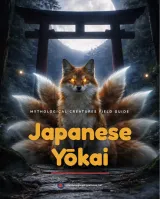
Japanese Yokai: A field guide to the spirits and demons of Japanese folklore
Fifteen spirits, with the signs to watch for and what the old tales say to do if you meet one.
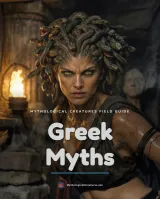
Greek Myths: A field guide to the monsters of ancient Greece
Every monster here earned its place in legend, and each gets a full page of artwork and the story behind it.
the legend in five swipes.
Mythology-aligned partners
Showcase your myth-friendly brand here
Run a store, studio, or platform that lives in the world of myth and folklore? A curated sponsor panel on these pages may fit.
Explore partnership optionsQuick Creature Info
Origin:
Associations:
Our Mythic Legendary Rating:

Habitat:
Supernatural Powers:
Physical Attributes:
Abilities:
Behavior:
Lore:
Related Creatures, Tales or Lore
- HHine-nui-te-pō
- PPapatuanuku
References
Discover Another Mythical Legend You May Not Have Heard Of?
Uncover the mysteries of ancient folklore and expand your knowledge of legendary beings from cultures around the world.
Dare to Meet the Aristaeus....
-9c77b94a-04ba-47a8-80ab-7cf93be6483f_small.webp "Depiction of Aristaeus")
The Mythological Creatures Book Series
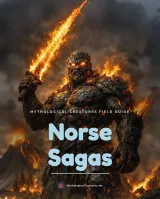
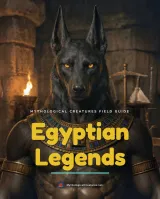
Yokai, Greek, Norse, Egyptian & Chinese. Five illustrated field guides to the creatures the old stories either warned or told you about.
Curated by the Mythological Creatures Team
Series editor: Mythological Creatures Directory
Primary desk: Asian & Pacific Myth Cycles Desk
(rev. November 2025)