
Yukashar: Yukashar is an uthra, a celestial guardian from the World of Light in Mandaean cosmology.
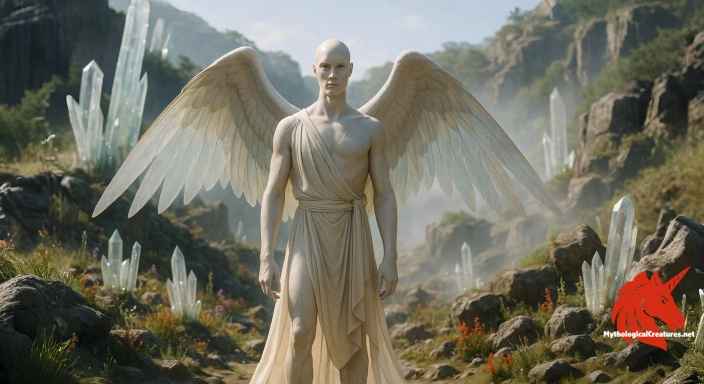
Yukashar
Yukashar - Yukashar is revered as a celestial guardian and a source of divine radiance in the World of Light.
Origins & First Encounters
Yukashar emerges as a luminous guardian within the intricate tapestry of Mandaean cosmology, celebrated as the 'source of radiance' whose presence permeates the World of Light. His inception is woven into ancient narratives where divine forces conspired to infuse the cosmos with brilliance and order. Early attestations of his name are found in ritual texts and ceremonial recitations, where his role as an uthra bridges the divide between celestial purity and earthly tumult. His character embodies the timeless dualism central to Mandaean thought, where light triumphs over encroaching darkness. The very notion of radiance in his title suggests an inherent power to illuminate both the spiritual and the material realms. As a custodian of divine wisdom, Yukashar has been revered across generations, serving as a beacon to those navigating the complexities of cosmic existence. His myth encapsulates the interplay between mystical destiny and human aspiration, rendering him both a guardian and an inspirer. The enduring appeal of his luminous essence has led to continual reinterpretations within the religious tradition. In every recitation and ritual, his presence underscores the eternal quest for clarity and enlightenment.
Source Texts & Tale Variants
Ancient Mandaean scriptures and liturgical texts form the backbone of information regarding Yukashar, revealing layers of ritualistic and symbolic significance. His name is interwoven into various recensions that have been transmitted orally and in manuscript form over many centuries. These texts, some fragmentary and others more complete, illustrate his function as a divine agent of light amidst a cosmic struggle. Within these sources, Yukashar is portrayed as an emissary whose brilliance is integral to the maintenance of universal order. Ritual passages, occasionally found in collections like the Ginza Rabba, hint at his role as a mediator between the realms of spirit and matter. Despite the brevity of some accounts, the amalgamation of these ancient texts paints a picture of a being whose radiance symbolizes both protection and inspiration. Varied narrative strands within the Mandaean corpus offer alternative perspectives on his nature, suggesting that his attributes may have evolved over time. The multiplicity of story variants underscores the adaptability of his myth in reflecting differing theological emphases. Even with limited explicit details, these sources collectively affirm the central place of Yukashar in the divine hierarchy of light.
Form & Powers
The physical manifestation of Yukashar is depicted more through symbolic resonance than through concrete anatomical details. His form is envisioned as a cascade of radiant energy, a visual metaphor for the purity and brilliance that his name so powerfully conveys. In artistic renderings, he is often shown enveloped in an aura of shimmering light, with contours that appear both fluid and ephemeral. Expansive wings, delicate yet awe-inspiring, are sometimes attributed to him, suggesting a capacity to traverse the vast expanses between the celestial and terrestrial realms. His eyes, when portrayed at all, are rendered as beacons of divine insight, capable of reflecting the mysteries of the cosmos. The garments or robes that adorn him are imagined as flowing layers of illuminating splendour, each fold accentuating his connection to the surroundings of the World of Light. Variations in his depiction allow for both grand, majestic portrayals and subtler interpretations that underscore his elusive nature. The interplay of light and shadow in these depictions artfully captures the dualistic essence of his being. In sum, Yukashar’s physical symbolism is as much about evoking the ineffable qualities of radiance as it is about a literal visual form.
Regional Faces
Across various regions influenced by Mandaean thought, the conceptualisation of Yukashar has taken on distinctive local flavours that enrich his mythos. In areas of the ancient Near East, his identity as the embodiment of light has merged with indigenous symbols of health, protection, and cosmic balance. Communities with strong links to Mandaean culture have sometimes portrayed him as a healer and guardian whose luminescence offers solace amid uncertainty. Artistic renditions in these regions often incorporate elements reminiscent of neighbouring traditions, subtly blending his core attributes with local iconographic motifs. In certain areas, his image has been softened to reflect qualities of compassion and intercession, making him a comforting presence in times of distress. The adaptability of his legendary persona has allowed local religious practices to reinterpret his mission as one that transcends conventional boundaries. These regional adaptations underscore his universal significance, as his radiant symbolism finds echoes in various cultural rites. Despite shifts in emphasis, the common thread of championing light over darkness remains central to his identity. The regional evolution of his myth illustrates the dynamic interplay between local spiritual heritage and the enduring allure of divine radiance.
Cultural Parallels
A comparative exploration of Yukashar reveals intriguing parallels with light-infused divine entities across a spectrum of mythologies. His association with radiance naturally invites comparisons with figures in Zoroastrian tradition, where heavenly beings are similarly linked to concepts of purity and moral order. Like certain archangels revered in Christian spirituality, Yukashar is perceived as a protector capable of dispelling darkness through his luminous power. In the realm of Gnostic thought, his role resonates with the idea of a divine spark—a fragment of the ineffable light that ignites the soul’s journey toward enlightenment. Ancient Egyptian conceptions of solar deities, who embody the regenerative and sustaining forces of the sun, further echo the qualities attributed to him. His mythological blueprint aligns with a broader human fascination with light as a symbol of hope, renewal, and divine guidance. Such parallels extend to traditions that venerate the phoenix as an emblem of rebirth from darkness. Across different cultures, the motif of an all-encompassing light bearer underlines a universal yearning for cosmic order and inner clarity. These cross-cultural connections affirm that Yukashar’s enduring image is part of a shared heritage tracing the radiance of divinity throughout human history.
Legacy & Modern Evolution
The legacy of Yukashar has evolved markedly over the centuries, transitioning from ancient theological constructs to vibrant symbols in modern spiritual narratives. His portrayal in classical Mandaean liturgy, once confined to elaborate ritual texts, has been embraced by contemporary creatives seeking to rekindle the ancient ethos of divine radiance. Modern interpretations often cast him as a metaphor for inner enlightenment, embodying the universal quest for clarity in a complex world. Artistic and literary renditions have reimagined his essence in myriad ways, from ethereal digital artworks to evocative poetic expressions. His image is frequently invoked in discussions of spiritual renewal, where the interplay of darkness and light is seen as a metaphor for personal transformation. The timeless appeal of his luminous character continues to inspire a sense of wonder, serving as a reminder of the enduring power of myth. In academic circles as well as among spiritual practitioners, the evolution of his narrative is a testament to the adaptability of ancient symbols in addressing modern existential challenges. His presence in contemporary discourse highlights the belief that a spark of celestial light can ignite profound inner change. Through these reinterpretations, Yukashar remains a compelling emblem of hope and the persistent triumph of light over darkness.
Interesting Fact
Yukashar's very name not only signifies his radiant nature but also encapsulates his role as a beacon of divine light and protection in the intricate tapestry of Mandaean cosmology.
For publishers and studios
Your next readers are already here
Many of our visitors are looking for books, campaigns, and resources that deepen their journey into myth. Position your title or setting here.
Discuss a placementQuick Creature Info
Origin:
Features:
Associations:
Our Mythic Legendary Rating:

Also Sometimes Known As:
Habitat:
Supernatural Powers:
Physical Attributes:
Abilities:
Behavior:
Lore:
Related Creatures, Tales or Lore
- HHibil Ziwa
- AAbatur
References
Discover Another Mythical Legend You May Not Have Heard Of?
Uncover the mysteries of ancient folklore and expand your knowledge of legendary beings from cultures around the world.
Dare to Meet the Cù-sìth....

Curated by the Mythological Creatures Team
Series editor: Mythological Creatures Directory
Primary desk: Hellenic & Ancient Mediterranean Desk
(rev. November 2025)