
Zaqiel: Zaqiel is a fallen angel and one of the leading Watchers mentioned in the Book of Enoch.
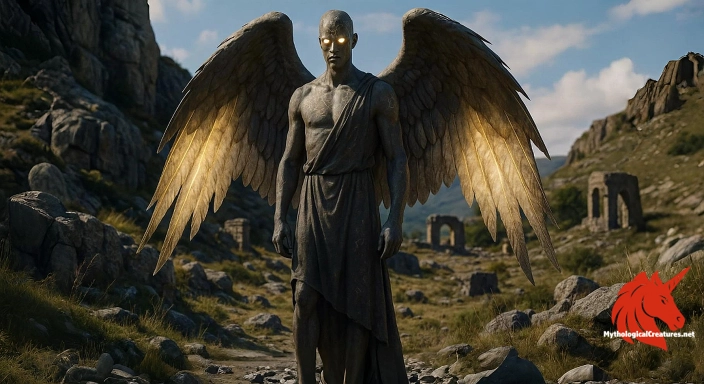
Zaqiel
Zaqiel - Symbolises divine rebellion and the imparting of hidden knowledge.
Origins & First Encounters
Zaqiel emerges as a striking figure within the ancient apocryphal tradition, embodying the delicate interplay between divine favour and a tragic fall from grace. His origins are rooted in the mysterious realm of the Watchers, a group of celestial beings whose actions have been preserved in texts like the Book of Enoch. He is recorded as the 15th Watcher among the 20 leaders, and his lineage is as ambiguous as it is captivating. His name, believed to mean 'favoured by El' or interpreted as 'God has hidden' or 'God has protected', hints at a hidden closeness to the divine that set him apart. Early accounts suggest that Zaqiel once held a revered status, only to be later shadowed by the consequences of his rebellion. The narrative of his fall encapsulates themes of divine punishment and the perilous nature of forbidden knowledge. Over time, his story has served as a potent allegory, reflecting the eternal struggle between light and dark. His enduring legacy in myth offers a glimpse into the complex moral fabric that underpins ancient cosmologies, inviting reflection on both celestial glory and tragic hubris.
Source Texts & Tale Variants
Ancient manuscripts remain the cornerstone of Zaqiel’s myth, with the Book of Enoch providing the primary mention of his celestial journey. The text, composed in several languages including Aramaic and Ethiopic, underscores the multicultural transmission of his legend. Variations in his name, such as the Ethiopic 'Zavebe', reveal the nuances inherent in the transmission of myth over centuries. Greek translations further contribute to his portrayal, blending elements of classical divine lore with the darker themes of angelic fall. These sources not only assign him a leadership role among the Watchers but also underscore the broader narrative of angels who transgress divine boundaries. Despite the fragmentary nature of the surviving texts, every mention adds layers of complexity to his character. The multiple versions of his story serve as a reminder that ancient traditions were often fluid and shaped by regional and linguistic influences. This textual diversity has allowed modern scholars and enthusiasts alike to piece together a multifaceted image of a being caught between retribution and remembrance.
Form & Powers
The physical portrayal of Zaqiel, while not exhaustively detailed in ancient texts, evokes an image of celestial grandeur tinged with melancholy. He is often imagined as possessing a tall and imposing frame that hints at his once-exalted origins. Artistic visions depict him with broad, shimmering wings that seem to pulse with both radiant light and the creeping shadow of decay. His face is thought to have borne an otherworldly beauty, with eyes that convey both the brilliance of divine insight and the sorrow of lost grace. In some later interpretations, hints of celestial markings or enigmatic symbols adorn his form, suggesting that his very body was a canvas of divine secrets. His attire, once resplendent with the luminescence of heaven, is now often rendered with darker edges, reflecting the internal conflict between purity and corruption. Various depictions introduce an aura of mystery, where delicate engravings and subtle radiance speak of hidden power. Despite the challenges of definitive description, the imaginative portrayals that have survived testify to a being whose physical form is as layered with symbolism as his mythic narrative.
Regional Faces
Across different cultural landscapes, the myth of Zaqiel has absorbed unique regional flavours and adaptations. In Ethiopian traditions, the variant 'Zavebe' is woven into narratives that emphasise both protection and the mystery of hidden wisdom. Jewish apocryphal literature, on the other hand, situates him within the broader framework of the fallen Watchers, focusing on themes of transgression and cosmic imbalance. Greek influences imbue his story with classical elements that frequently merge divine attributes with moral caution. In some Middle Eastern retellings, the arid backdrop of desert lore enhances the themes of isolation and the heavy burden of divine disobedience. These local adaptations often transform Zaqiel from a mere symbol of fall into a more complex figure whose actions echo regional concerns about power, defiance, and redemption. The regional reinterpretations also highlight how his narrative can both warn against and romanticise the consequences of straying from divine order. Such varied depictions ensure that his myth remains dynamic, continuously evolving to resonate with the spiritual and cultural ethos of different societies.
Cultural Parallels
When examined alongside other mythological figures, Zaqiel stands as a compelling counterpart to similar narratives of celestial rebellion. His story resonates with that of Azazel, another Watcher whose descent underscores the peril of embracing forbidden knowledge. Like the later figure of Lucifer, Zaqiel embodies the tragic consequences that befall those once graced with divine favour. His hidden nature, as suggested by his name, is often paralleled with other mysterious entities in ancient lore who bear secrets too potent for human ken. Cross-cultural comparisons reveal recurring themes of pride, downfall, and the complex interplay between light and shadow. The motif of a once-revered being falling from splendour is a narrative thread that runs through many traditions, connecting Zaqiel with a broader mythological tapestry. Storytellers from various cultures have used similar characters to explore the moral dimensions of power and the nature of free will. In comparing these figures, one discerns a shared fascination with the inherent risks of divine proximity and the eternal conflict between aspiration and transgression.
Legacy & Modern Evolution
Over the centuries, the image of Zaqiel has evolved from a relatively obscure mention in ancient texts to a symbol rich with modern interpretative potential. His portrayal has transcended its original apocalyptic context to influence contemporary explorations of angelology and esoteric lore. Modern literary and artistic works often cast him as an emblem of the eternal struggle between celestial order and human curiosity. This evolution mirrors broader cultural shifts where themes of moral ambiguity and the burden of hidden knowledge have gained resonance. Zaqiel now appears in a range of media, from occult literature to visual art and digital storytelling, each reinterpretation imbuing him with new layers of meaning. His journey from divine protector to a figure marked by sorrow and defiance continues to captivate the imagination, symbolising the timeless allure of the forbidden and the complex nature of redemption. Contemporary discussions often view his myth as a reflection on the costs of pursuing knowledge at any price. The modern legacy of Zaqiel reinforces his status as a multifaceted mythological archetype, one that encapsulates both warning and wonder in a rapidly changing world.
Interesting Fact
An interesting aspect of Zaqiel is that his name carries dual interpretations, one suggesting divine protection and the other implying concealment, reflecting the paradoxical nature of his existence.
Limited sponsor opportunity
One slot, carefully chosen partners
We only feature a small number of relevant sponsors at any time. If you create serious myth content, we would like to hear from you.
Partner with usQuick Creature Info
Origin:
Our Mythic Legendary Rating:

Also Sometimes Known As:
Habitat:
Supernatural Powers:
Physical Attributes:
Abilities:
Behavior:
Lore:
Related Creatures, Tales or Lore
- SSemyaza
- AAzazel
- AArakiel
References
Discover Another Mythical Legend You May Not Have Heard Of?
Uncover the mysteries of ancient folklore and expand your knowledge of legendary beings from cultures around the world.
Dare to Meet the Comaetho of Cilicia....

Curated by the Mythological Creatures Team
Series editor: Mythological Creatures Directory
Primary desk: Hellenic & Ancient Mediterranean Desk
(rev. November 2025)