
Alloces: Alloces is a demon duke featured in several demonological grimoires.
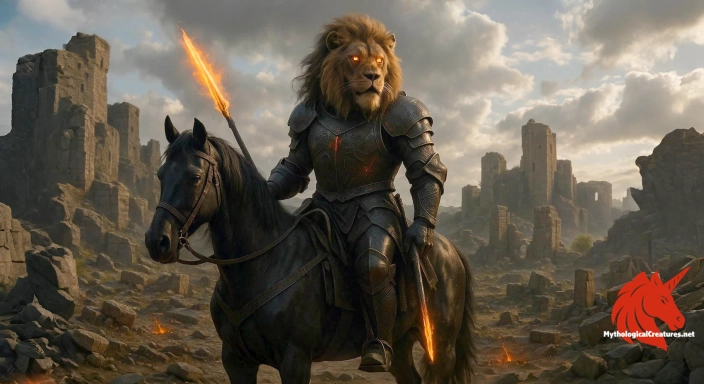
Alloces
Alloces - Alloces is significant within demonological hierarchies for his commanding presence and his role in imparting occult knowledge.
the legend in five swipes.
the legend in five swipes.
How old is the legend of Alloces?
Alloces stands out as a remarkable figure within the demonological pantheon, blending martial prowess with an unexpected scholarly bent. His early attestation in medieval grimoires marks him as a product of a time when the boundaries between science, magic, and warfare were intriguingly intertwined. Emerging from a cultural context steeped in occult tradition, Alloces embodies both the fear and fascination associated with forbidden knowledge. His reputation as a duke among demonic entities lends him an authority that goes beyond mere malevolence. The demon’s association with the teaching of astronomy and liberal sciences hints at a deeper symbolism linking celestial order with earthly power. His early representation in texts such as the Lesser Key of Solomon and the Pseudomonarchia Daemonum situates him among those spirits who govern vast legions. Alloces not only imparts obscure wisdom but also serves as a reminder of the perilous allure of concealed truths. His enduring influence has made him a subject of both reverence and caution, highlighting a legacy that bridges dark myth and scholarly inquiry.
Which texts first mention Alloces?
The lore surrounding Alloces is richly documented in several seminal demonological grimoires, where each account adds layers of complexity to his persona. Texts such as the Lesser Key of Solomon, the Pseudomonarchia Daemonum, and the Liber Officiorum Spirituum provide the primary sources for his varied depictions. In these manuscripts, Alloces is consistently accorded a ducal rank, commanding legions of infernal entities, although the number of legions assigned to him varies among texts. Some accounts present him as a fire-breathing, lion-headed soldier, while others portray him as a spear-wielding knight with a keen strategic mind. The existence of alternate names like Allocer, Allogor, or Algor reflects a rich tradition of variant interpretations that evolved over centuries. Different manuscripts emphasise his roles as an instructor in astronomy and liberal arts, underlining a dual nature that is both combative and intellectually potent. One version even attributes to him the power to influence the favour of nobles, thereby intertwining occult lore with political intrigue. Despite these variations, the core themes of authority, mystery, and esoteric wisdom remain central to his character.
Alloces: Physical Form and Supernatural Powers
Alloces is vividly described as possessing a formidable physical presence that commands both respect and fear. His form is often illustrated with the head of a lion crowned by fiery accents, suggesting a fusion of animalistic strength and divine fury. In some accounts, his leonine visage is complemented by eyes that burn with an inner flame, conveying intense fervour and wisdom. The depiction of Alloces riding a majestic steed reinforces his role as a mobile warrior and a bearer of esoteric knowledge. Alternate traditions describe him as a spear-toting knight clad in ornate armour, symbolising chivalric elegance alongside his infernal power. The detailed aesthetics of his attire, which sometimes incorporate zodiac or celestial motifs, underline his connection to astronomical lore and liberal sciences. His appearance is not static, fluctuating between the brutish fire-breather and the refined knight, thus reflecting the layered narratives found in ancient grimoires. This amalgamation of bestial elements with knightly regalia makes Alloces a uniquely striking figure whose physical portrayal mirrors the duality of terror and erudition.
How does the Alloces legend change from place to place?
Across different cultural traditions, Alloces has been adapted to reflect local interpretations of demonic power and scholarly wisdom. In Western European grimoires, he is frequently depicted as a courtly duke who not only instils fear but also offers access to hidden knowledge. The variant names—such as Allocer, Allogor, and Algor—hint at a regional diversity in the manuscript traditions, where linguistic nuances shape his persona. In some regions, the emphasis lies on his martial attributes, portraying him as a noble yet fearsome knight, while other cultures accentuate his role as a teacher of astronomy and liberal sciences. The contrasting regional representations demonstrate how local attitudes toward authority, chivalry, and the occult influence his iconography. In areas with a strong tradition of academic inquiry, Alloces is seen as a bridge between demonic might and intellectual illumination. Local adaptations also introduce subtle shifts in the number of legions under his command, reflecting regional variations in the understanding of infernal hierarchies. These diverse portrayals underscore a broader cultural dialogue about the nature of forbidden knowledge and the balance between darkness and enlightenment.
Do other traditions know Alloces by another name?
Alloces shares thematic similarities with a range of infernal figures across different mythological traditions, often serving as an intermediary between destructive power and the pursuit of knowledge. His role as a teacher of astronomy and liberal sciences finds echoes in other demonic entities who are credited with the transmission of esoteric wisdom. Like several spirits in various occult traditions, Alloces embodies the paradox of being both a warrior and an educator, a duality that is also found in figures such as Astaroth or Asmodeus. This blend of intellectual and martial attributes positions him within a unique class of demons that challenge conventional notions of evil. In comparative mythology, his fire-breathing, lion-headed depiction resonates with archetypal symbols of strength and ferocity, much like the mythic creatures that guard sacred treasures. The contrasts and commonalities among these figures highlight the cultural practice of attributing transformative, albeit dangerous, knowledge to supernatural beings. His character, therefore, becomes a nexus point where the admiration for scholarly insight intersects with the dread of unrestrained power. Such comparisons encourage a broader understanding of how demonic figures serve as metaphors for the complex interplay between wisdom and destruction.
The Lasting Influence of Alloces
The historical evolution of Alloces mirrors the shifting paradigms of the occult and is a testament to the enduring human fascination with the mysterious and the forbidden. Initially confined to the pages of medieval grimoires, his image has gradually permeated modern occult literature, fantasy novels, and even role-playing games. Over the centuries, his portrayal has matured from a purely fearsome figure into a complex archetype that symbolises the peril and allure of esoteric knowledge. The modern reinterpretations, while drawing on traditional descriptions, often imbue him with additional layers of psychological and symbolic meaning. Contemporary artists and writers have reimagined Alloces as a tragic figure, one whose mastery of hidden lore comes at a great personal cost. His evolving depiction reflects a broader cultural trend where ancient demonic figures are repurposed to explore themes of power, rebellion, and the burden of wisdom. In modern occult circles, Alloces is sometimes evoked not only as a source of dark knowledge but also as a cautionary emblem of the dual-edged nature of intellectual ambition. His legacy continues to inspire debate and creative reinterpretation, ensuring that his myth endures as a dynamic symbol of the eternal struggle between light and shadow.
Interesting Fact
Despite his fearsome appearance and dual manifestations, Alloces uniquely melds martial prowess with scholarly insight, challenging conventional demonic archetypes.
Mythological Treasures
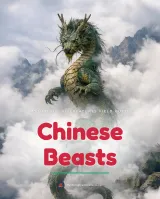
Chinese Beasts: A field guide to the dragons and demon kings of Chinese myth
From river dragons to demon kings, with the legends that shaped five thousand years of storytelling.
Japanese Yokai: A field guide to the spirits and demons of Japanese folklore
Fifteen spirits, with the signs to watch for and what the old tales say to do if you meet one.
Greek Myths: A field guide to the monsters of ancient Greece
Every monster here earned its place in legend, and each gets a full page of artwork and the story behind it.
the legend in five swipes.
Mythology commerce, done carefully
Align your store with our global myth audience
If you sell myth-inspired jewellery, prints, decks, or collectibles, we can feature your brand without overwhelming the reading experience.
Partner with usQuick Creature Info
Features:
Associations:
Our Mythic Legendary Rating:

Also Sometimes Known As:
Habitat:
Supernatural Powers:
Physical Attributes:
Abilities:
Behavior:
Weaknesses:
Lore:
References
Discover Another Mythical Legend You May Not Have Heard Of?
Uncover the mysteries of ancient folklore and expand your knowledge of legendary beings from cultures around the world.
Dare to Meet the Soter....
The Mythological Creatures Book Series
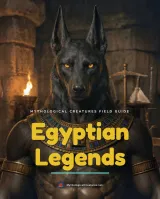
Yokai, Greek, Norse, Egyptian & Chinese. Five illustrated field guides to the creatures the old stories either warned or told you about.

Curated by the Mythological Creatures Team
Series editor: Mythological Creatures Directory
Primary desk: Hellenic & Ancient Mediterranean Desk
(rev. November 2025)