
Angel: Angels are celestial, non-corporeal beings that serve as divine messengers and guardians.
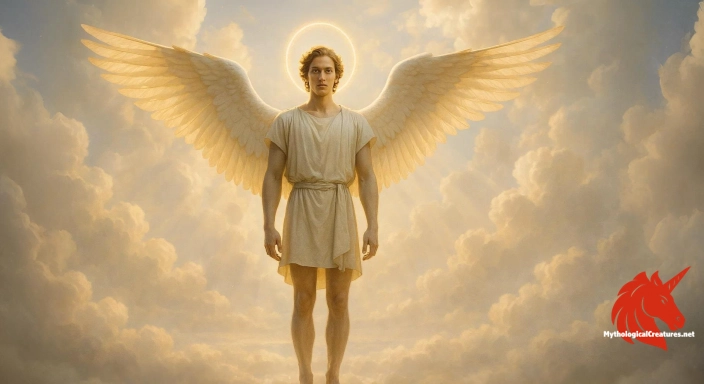
Angel
Angel - Angels are central figures in establishing a connection between the divine and mortal realms, often serving as protectors and guides.
Origins & First Encounters
The idea of the angel has fascinated generations with its blend of mysticism and divine purpose. Angels are conceived as spiritual entities that bridge the heavenly and earthly realms, emerging from ancient traditions to guide and protect humanity. Their origins can be traced back to the earliest religious texts, where they are depicted as emissaries of a transcendent power. Over time, angels have become emblematic of hope, wisdom, and the higher moral order in a variety of cultural contexts. Many narratives portray them as luminous beings, whose existence underscores the gulf between the human condition and the divine. Their presence in religious lore has evolved from elusive messengers to intricate figures of cosmic order. Artistic and literary traditions have celebrated their enigmatic beauty and otherworldly allure. The conceptualisation of angels continues to inspire a tapestry of interpretations, each highlighting their unique role in mediating the celestial with the mundane. Their enduring legacy testifies to a cultural need to understand and connect with forces beyond the physical world.
Source Texts & Tale Variants
Ancient scriptures and religious texts constitute the primary sources that reveal the multifaceted roles of angels. Biblical narratives, ranging from the wisdom literature of the Old Testament to the revelatory passages of the New Testament, offer early attestations of angelic figures. Islamic tradition, too, preserves detailed descriptions of angels through passages in the Qur’an and Hadith, emphasising their purity and obedience. Judaic teachings, especially as found in midrashic texts, provide layered interpretations that enrich the mythos of these celestial beings. Each source contributes a distinct variant to the overarching narrative, from guardian protectors to battlefield heralds. The diverse story variants demonstrate how angels have been adapted to serve varied theological and moral purposes. Folklore and mystic writings add further dimensions, embellishing canonical texts with local colour and narrative embellishments. These ancient records are complemented by an oral tradition that has allowed angelic lore to adapt and survive over centuries. Variations in the portrayal of angels across these texts have enriched the collective understanding of their celestial functions.
Form & Powers
Angelic beings are frequently depicted with a graceful, human-like form accentuated by delicate and expansive wings that hint at their aerial origins. Their physical portrayals often include an aura of divine light, with ethereal features that blend human beauty and otherworldly majesty. In many artistic renditions, angels are shown clothed in flowing robes paired with gleaming halos that symbolise their sanctity. Variations in their depiction have led to images where some seem almost translucent or composed solely of light, suggesting that their form transcends the physical plane. Some traditions describe them as tall and imposing, while other accounts highlight their gentle, comforting demeanour. Their features are typically idealised, reflecting an archetype of beauty that is both timeless and transcendent. While their wings are almost universally present, the number and style of these appendages can vary significantly, further underscoring the diversity of artistic interpretation. Despite being inherently non-corporeal, the portrayal of their physical appearance allows humans to relate to and visualise the ineffable mysteries of the divine. Such detailed representations continue to influence modern depictions, where the blend of human attributes and celestial symbolism remains a core element.
Regional Faces
Across different cultures and geographical regions, the depiction of angels has taken on distinctive characteristics shaped by local beliefs and artistic traditions. In Western Europe, particularly during the Renaissance, angels are portrayed with an air of classical refinement and serene elegance, often graced with soft, luminous light. In Eastern Orthodox icons, the emphasis shifts to a more austere and symbolic presentation, where the expression and posture of the angel convey a deep spiritual resonance. Islamic traditions describe these beings primarily as creations of light, whose roles and appearances are defined by doctrinal precision rather than human likeness. Jewish mystical literature frequently portrays angels as mysterious and ambiguous figures, reflecting the ineffable nature of the divine. Latin American cultures, influenced by a mix of colonial and indigenous traditions, have developed their own iconographies that incorporate vibrant colours and local motifs. In modern urban spirituality, angelic representations are sometimes adapted to modern aesthetics, blending tradition with contemporary visual languages. These regional interpretations reveal how local cultural, social, and theological contexts can reshape the universal themes associated with angelic beings. Each variation adds depth to the overarching narrative of angels as multifaceted mediators of the divine.
Cultural Parallels
When compared with spiritual beings from other traditions, angels exemplify the universal human quest to understand the divine through intermediaries. Similar to the Hindu devas, which serve as guardians of cosmic order, angels are seen as messengers whose function is to maintain balance between the earthly and the celestial. In Zoroastrianism, creatures such as the Amesha Spentas bear functional resemblances to angels, acting as moral exemplars and conduits of divine will. Chinese mythology offers another parallel with its celestial beings like the xian, who inhabit the boundary between heaven and earth, much like the angelic tradition. The cross-cultural dialogue is further enriched by resemblances with the benevolent spirits and guardian entities found in indigenous folklore around the world. These comparative analyses reveal that many mythologies converge on the idea of higher beings that intervene in human affairs to guide moral and spiritual development. While each culture’s interpretation highlights unique aspects—such as the emphasis on combat, wisdom, or healing—the underlying theme of divine mediation remains consistent. The parallels underscore a shared human inclination to personify abstract forces of the universe in forms that are relatable and inspirational. In this manner, the image of the angel resonates across diverse traditions, highlighting common aspirations for transcendence and divine orchestration.
Legacy & Modern Evolution
The portrayal of angels has undergone a remarkable evolution from its origins in ancient religious texts to its pervasive existence in modern culture. Early depictions in sacred writings set a foundation that would be elaborated upon by medieval theologians and artists, thereby enriching the iconography of these celestial beings. Over the centuries, angels have transitioned from ethereal messengers to central figures in literature, visual arts, and even popular cinema, where they embody ideals of hope and redemption. Modern interpretations often explore the duality of angels, presenting them as both benevolent guardians and complex, conflicted figures. This evolution reflects a changing cultural landscape where ancient symbols are reimagined to address contemporary issues and existential questions. The enduring allure of the angelic form has also seen it adapted into various genres, from religious art to futuristic science fiction, thereby demonstrating its versatile appeal. New age spirituality and popular media frequently incorporate angelic imagery as metaphors for guidance, protection, and renewal. As academic studies continue to examine the multifaceted roles of angels, their legacy remains a testament to the dynamic interplay between myth, art, and the human spirit. In every reinterpretation, angels continue to serve as a bridge between the aspirations of the human condition and the mysteries of the divine.
Interesting Fact
Angels are portrayed in diverse ways across cultures, with some traditions even depicting fallen angels as complex figures embodying both light and darkness.
Advertising opportunity
Showcase your mythology project
We offer limited sponsor placements for books, courses, games, and creators aligned with our audience.
View partnership optionsQuick Creature Info
Origin:
Associations:
Our Mythic Legendary Rating:

Habitat:
Supernatural Powers:
Physical Attributes:
Abilities:
Behavior:
Lore:
Related Creatures, Tales or Lore
- CCherubim
- SSeraphim
- AArchangel
References
Discover Another Mythical Legend You May Not Have Heard Of?
Uncover the mysteries of ancient folklore and expand your knowledge of legendary beings from cultures around the world.
Dare to Meet the Kulilu....

Curated by the Mythological Creatures Team
Series editor: Mythological Creatures Directory
Primary desk: Hellenic & Ancient Mediterranean Desk
(rev. November 2025)