
Aonyōbō: Aonyōbō is a mysterious yōkai from Japanese mythology known for her blue, ethereal appearance.
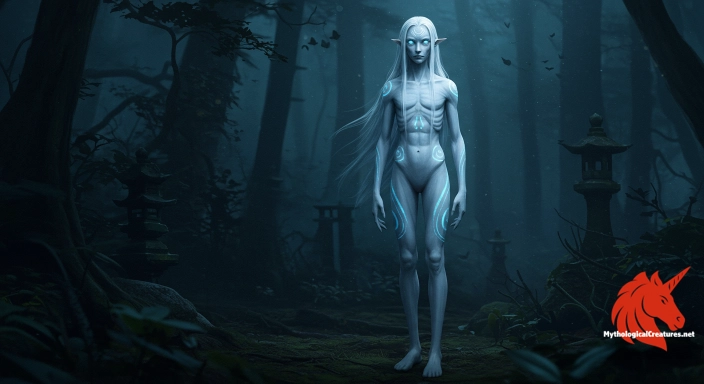
Aonyōbō
Aonyōbō - Aonyōbō represents the mysterious and unpredictable nature of yōkai in Japanese folklore.
the legend in five swipes.
the legend in five swipes.
How did Aonyōbō enter folklore?
Aonyōbō is a captivating and enigmatic figure deeply embedded in the fabric of Japanese folklore. Emerging from a cultural narrative that seamlessly blends the spiritual with the human, she is known as the 'blue lady'—a title that evokes both ethereal beauty and an intriguing sense of melancholy. Her earliest mentions appear to be rooted in oral traditions that later found expression in illustrated texts during the Edo period. Over time, she has become an enduring symbol of the mysterious forces of nature, embodying both allure and a cautionary presence. Her legend illustrates the complexity of the yōkai realm, where beauty often conceals hidden dangers and wisdom is mingled with sorrow. Presentations of Aonyōbō suggest a delicate interplay between the human and the supernatural, inviting observers to consider the transient nature of life. Her myth reflects a broader cultural appreciation for the mysterious qualities that lie beneath the surface of everyday existence. The evolution of her story demonstrates how traditional lore can influence modern perceptions of femininity and the supernatural. In contemporary retellings, her tale continues to fascinate scholars and enthusiasts alike. Her spectral image remains a bridge between the past and the present, symbolising the timeless allure of the unknown.
How did the story of Aonyōbō change over time?
Primary sources for Aonyōbō are relatively scant, yet even terse references in Edo period scrolls have contributed to the shaping of her legend. Artistic compendiums and folklore manuscripts from that era capture fleeting impressions of her, offering a glimpse into early perceptions of the yōkai realm. The limited texts that do mention her have often served as seeds for a wealth of oral reinterpretations. Through generations, local storytellers elaborated on these initial accounts, enriching her character with layers of ambiguity and mystery. Some narratives portray her as a solitary apparition roaming mist-shrouded landscapes, while others hint at a more complex backstory imbued with themes of tragedy and retribution. Variations of her story have emerged in different regions, with each community adapting the details to their own cultural contexts. Illustrations in some texts depict her with a luminous aura and an arresting presence, even if the accompanying myth is only sketched in broad strokes. These early records, though fragmentary, have provided a flexible framework that continues to inspire modern reinterpretations. Over time, the interplay of literary fragments and popular oral tradition has allowed her myth to grow and diversify. In this way, Aonyōbō’s sparse beginnings have blossomed into a richly woven tapestry of folklore.
Aonyōbō: What Manner of Being?
Aonyōbō is most commonly envisioned with an otherworldly, azure countenance that immediately distinguishes her from ordinary mortals. Her appearance is a striking fusion of human beauty and spectral allure, manifesting in features that seem both delicate and timeless. Long, flowing hair tumbles in dark, almost liquid waves over her shoulders, contrasting with the soft, blue hue of her skin. Often, she is depicted wearing traditional garments that billow like ancient robes, enhancing the impression of ease and ethereal elegance. Her eyes, deep and reflective, are said to capture the sorrow of countless ages, inviting an unsettling yet compelling gaze. Some portrayals give her an elongated form, suggesting that she exists beyond the normal confines of human anatomy. The subtle interplay between light and shadow in her depictions lends her a mysterious, almost trembling fragility. Careful use of soft outlines in traditional artworks adds to the impression that she hovers in a realm between life and death. This harmonious blend of beauty and uncanny detail establishes her as a figure who embodies both grace and the ineffable unknown. Witnesses of her form are left with a lingering sense of wonder and a hint of foreboding.
What regional forms of Aonyōbō exist?
The legend of Aonyōbō morphs intriguingly from one region to another across Japan. In coastal and riverine communities, her blue essence is occasionally seen as emblematic of water’s rejuvenating and healing qualities. In contrast, some inland and northern regions depict her as a more foreboding figure, a spectral presence that signals misfortune during quiet, foggy evenings. Local tales have tailored her character to reflect the natural landscape, sometimes portraying her as a gentle guide near shimmering lakes and at other times as an ominous visitor in mist-covered mountain passes. Rural villages might celebrate her with subtle rituals designed to appease or ward off the subtle energies she embodies. Urban legends have also taken shape, reinterpreting her image for contemporary cityscapes while maintaining the core elements of mystery and melancholy. Despite the regional variations, the emphasis on her ethereal beauty and close ties to water remains consistently central. The diverse regional retellings highlight how natural settings and local customs shape the myth into forms that resonate with distinct community identities. Each locale contributes its unique flavour to her narrative, enriching the overall tapestry of her legend. This regional diversity underscores the flexibility of myth as it adapts to different cultural and environmental backdrops.
Do other traditions know Aonyōbō by another name?
Aonyōbō offers fascinating parallels to other mythological figures around the world, enriching the study of cross-cultural folklore. Her spectral allure and ambiguous morality bear a resemblance to European water nymphs and Slavic rusalki, each reflecting their culture’s fascination with the interplay between beauty and danger. Similar to the eerie appeal of the Celtic banshee, her presence is often seen as both beguiling and a harbinger of change. These comparisons extend to her dual nature, where a captivating exterior masks the potential for ominous consequences. While many globally recognised spectres draw on themes of retribution or tragedy, Aonyōbō is uniquely interwoven with the natural elements, particularly water, elevating her symbolism within the Japanese aesthetic. The motif of a beautiful yet unsettling female spirit recurs throughout mythologies, suggesting universal human concerns with mortality, beauty, and the unknown. Artistic representations and narrative functions of such figures across cultures reveal subtle commonalities alongside distinct cultural nuances. In Japan, her connection with water and shifting local portrayals emphasise a harmony between nature’s gentleness and its latent unpredictability. Such cross-cultural resemblances invite a broader contemplation of how societies personify and confront the mysteries of existence. Through these comparative insights, Aonyōbō stands as a testament to the intricate overlap between cultural tradition and the universal human experience of the mystical.
The Lasting Influence of Aonyōbō
The myth of Aonyōbō has undergone a dynamic evolution that reflects both historical shifts and contemporary reinterpretations. Early depictions, immortalised in traditional scrolls and folklore, painted her as an enigmatic figure whose brief mentions allowed room for a multitude of interpretations. As Japan modernised, artists and writers began to explore new dimensions of her character, blending traditional imagery with modern narrative techniques. During the Meiji era and beyond, her spectral form was reimagined to resonate with contemporary audiences while still retaining the essence of ancient mystery. Modern literature, film, and art have often embraced her as a complex symbol—a fusion of beauty, melancholy, and the otherworldly. This evolution has allowed her legend to be both a homage to traditional yōkai lore and a versatile motif in modern popular culture. Contemporary portrayals sometimes imbue her with qualities of sympathy and tragic allure, inviting audiences to explore themes of loss and transformation. Cultural festivals and exhibitions celebrating yōkai regularly feature reinterpretations of her image, underscoring her lasting impact on Japan’s mythological heritage. As new media continues to reframe traditional narratives, Aonyōbō remains a potent expression of the enduring relationship between folklore and modern identity. Her story, ever fluid and adaptable, continues to captivate imaginations and inspire reinterpretation in an ever-changing cultural landscape.
Interesting Fact
A unique aspect of Aonyōbō is her vivid blue appearance, which sets her apart from many other yōkai and underscores the cultural emphasis on colour symbolism in Japanese folklore.
Mythological Treasures
Japanese Yokai: A field guide to the spirits and demons of Japanese folklore
Fifteen spirits, with the signs to watch for and what the old tales say to do if you meet one.
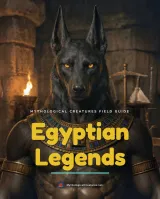
Egyptian Legends: A field guide to the gods and monsters of ancient Egypt
Guardians of the living and devourers of the dead, with the role each played in judgement.
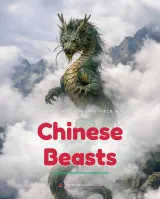
Chinese Beasts: A field guide to the dragons and demon kings of Chinese myth
From river dragons to demon kings, with the legends that shaped five thousand years of storytelling.
the legend in five swipes.
Mythology commerce, done carefully
Align your store with our global myth audience
If you sell myth-inspired jewellery, prints, decks, or collectibles, we can feature your brand without overwhelming the reading experience.
Partner with usQuick Creature Info
Our Mythic Legendary Rating:

Also Sometimes Known As:
Habitat:
Supernatural Powers:
Physical Attributes:
Abilities:
Behavior:
Lore:
Related Creatures, Tales or Lore
References
Discover Another Mythical Legend You May Not Have Heard Of?
Uncover the mysteries of ancient folklore and expand your knowledge of legendary beings from cultures around the world.
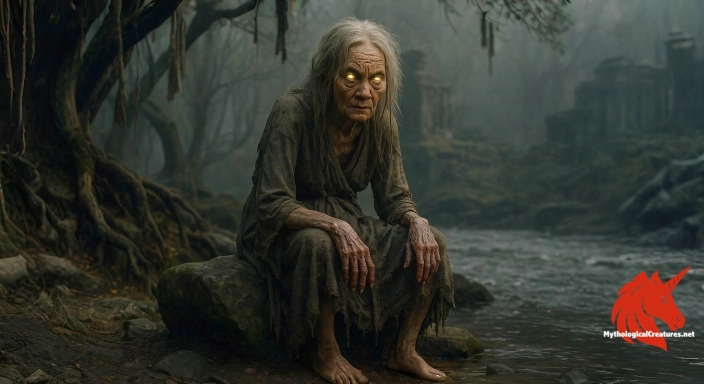
Dare to Meet the Datsue-ba....
The Mythological Creatures Book Series
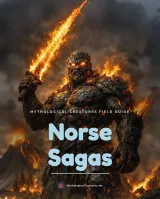
Yokai, Greek, Norse, Egyptian & Chinese. Five illustrated field guides to the creatures the old stories either warned or told you about.
Curated by the Mythological Creatures Team
Series editor: Mythological Creatures Directory
Primary desk: Asian & Pacific Myth Cycles Desk
(rev. November 2025)