
Archon: Archons are cosmic rulers from Gnostic tradition, responsible for constructing and maintaining the physical universe.
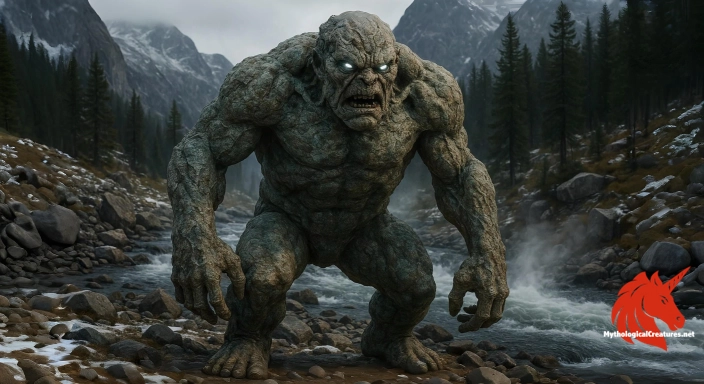
-4b930f52-9f53-4667-bed7-891f996744f6_small.webp "Archon - They represent the oppressive forces that maintain the physical realm and prevent souls from attaining spiritual liberation.")
Archon
Archon - They represent the oppressive forces that maintain the physical realm and prevent souls from attaining spiritual liberation.
Origins & First Encounters
Archons emerge as enigmatic architects within the intricate tapestry of Gnostic belief, serving as primordial builders of the material cosmos. Their origins are rooted in early mystical texts, where they appear as potent figures straddling the threshold between divine creativity and human entrapment. They are first attested in traditions emerging from the Eastern Mediterranean, where complex cosmologies sought to decode the mysteries of the physical universe. Early narratives detail their involvement in crafting the very structure of existence, positioning them as both creators and wardens. Over time, their mythos intertwined with political symbolism, reflecting a rejection of conventional governance and the oppressive nature of earthly power. These figures are depicted as embodiments of duality, exerting both creative influence and a repressive force over human souls. Their enduring presence in Gnostic literature emphasises a continual tension between material limitation and the quest for spiritual freedom. In this way, Archons have become timeless symbols of the struggle between the ephemeral physical realm and the enduring realm of the spirit.
Source Texts & Tale Variants
Ancient manuscripts such as those found in the Nag Hammadi library provide an essential window into the lives of the Archons. Texts including The Hypostasis of the Archons reveal a multifaceted portrayal, where these beings are both cosmic engineers and obstinate wardens of the spiritual path. Diverse variants of their story appear throughout the writings of the Ophites and Sethians, each contributing distinct nuances to their character. Some sources present Archons as autonomous deities responsible for the creation of celestial order, while others tether them to the misdeeds of a flawed demiurge. Various accounts depict them as entities whose interference prevents souls from reaching higher spiritual realms. The multiplicity of narratives underscores their complex role, oscillating between roles of necessary cosmic order and malevolent obstruction. These primary sources not only highlight their architectural function in the universe but also serve as allegories for the constraints imposed upon the human spirit. As such, the story of the Archons is preserved in a rich mosaic of texts that encourage ongoing exploration and reinterpretation.
Form & Powers
Visual depictions of the Archons are as diverse as the mythologies that embrace them, often merging human and bestial traits into a singular, unsettling form. They are frequently shown as hermaphroditic figures, blurring conventional gender distinctions and embodying a fluid, cosmic balance. Their features are described in vivid detail, with faces reminiscent of wild, untamed creatures that evoke both beauty and dread. Some accounts suggest that their eyes might shine with an uncanny radiance, symbolically linking them to the celestial bodies over which they preside. Additional descriptions hint at ambiguous bodily structures, occasionally incorporating multiple limbs or asymmetrical forms that challenge standard human anatomy. The texture of their imagined skin is often likened to ancient stone or dark, formless matter, reinforcing their primordial origins. These physical portrayals serve to underscore the dual nature of the Archons, highlighting their capacity to create and to confine. Overall, the imagery surrounding them is crafted to evoke the tension between the divine spark of creation and the inherent chaos of matter.
Regional Faces
Across different cultural landscapes, the figure of the Archon has been refracted through a myriad of regional lenses, each adding its own distinctive flair to their mythos. In Eastern Mediterranean Gnostic traditions, for example, they are primarily regarded as the spectral rulers of a material domain intricately linked to the seven classical planets. In Manichaean thought, however, their identity shifts to inhabiting a realm within the looming Kingdom of Darkness, thus reinforcing a cosmic dichotomy. Localised variants of the myth often incorporate indigenous astronomical lore, aligning the Archons with native deities or celestial phenomena. In parts of the Middle East, their symbolic resonance is intertwined with themes of divine retribution and the confinement of the soul. European occult traditions later reimagined them as emissaries of mystic power, further adapting their roles to mirror societal concerns about control and liberation. These regional adaptations illustrate how a singular mythological concept can metamorphose across diverse cultural terrains. The shifting portrayals reflect not only geographical influences but also the evolving spiritual and political landscapes of their times.
Cultural Parallels
The concept of the Archon finds echoes in numerous mythological traditions, forming an intricate web of cultural parallels that span the globe. Similar to the cosmic jailers found in Mesopotamian lore, such as the Anunnaki, these beings personify the struggle between divine order and earthly limitation. Their dual influence, oscillating between creation and oppression, invites comparison with the Watchers of early apocryphal texts, where ambiguous celestial figures played pivotal roles. Across Hermetic and alchemical traditions, one also encounters enigmatic forces that mirror the Archons’ capacity to both bestow and withhold cosmic knowledge. This cross-cultural resonance highlights a recurring theme in mythology: the existence of entities that govern the thresholds between the seen and unseen worlds. In many Eastern philosophies, too, similar forces are invoked to symbolise the friction between spiritual liberation and the entrapments of the material plane. By drawing these comparisons, it becomes clear that the Archon serves as a metaphor for the larger cosmic tension intrinsic to human existence. Thus, they stand as a unifying archetype within the rich and diverse panorama of mythological thought.
Legacy & Modern Evolution
The legacy of the Archons has evolved remarkably from their early mythological roots to their modern cultural reinterpretations. Initially depicted as formidable cosmic builders whose very presence limited the human soul’s ascent, they have gradually become emblematic of broader existential themes. Over the centuries, scholars and mystics alike have reimagined these entities, transforming them into symbols for the oppressive structures inherent in material society. In contemporary literature and film, the Archon often emerges as a mysterious and shadowy figure, embodying both the allure and the peril of established authority. Their myth has been appropriated in diverse modern contexts, ranging from occult practices that seek to transcend mundane limitations to artistic expressions that critique bureaucratic control. Modern reinterpretations frequently cast them as allegories for the digital age, where the struggle between individual freedom and pervasive oversight is ever more pronounced. This evolution in depiction highlights an ongoing fascination with the interplay between creative power and autocratic entrapment. Ultimately, the Archon remains a potent and versatile symbol, bridging the ancient and the modern in a continuous exploration of the cosmic and the corporeal.
Interesting Fact
An interesting observation is that despite their role as universe builders, Archons are simultaneously depicted as malevolent rulers who conspire to keep souls trapped, illustrating the nuanced critique of material existence in Gnostic thought.
Sponsor this space
Tasteful, fixed-fee placements for myth projects
No bidding wars or flashing banners. We offer simple placements for a small set of creators and brands aligned with our readers.
Request further detailsQuick Creature Info
Origin:
Associations:
Our Mythic Legendary Rating:

Also Sometimes Known As:
Habitat:
Supernatural Powers:
Physical Attributes:
Abilities:
Behavior:
Lore:
Related Creatures, Tales or Lore
- YYaldabaoth
- DDemiurge
- AAhriman
References
Discover Another Mythical Legend You May Not Have Heard Of?
Uncover the mysteries of ancient folklore and expand your knowledge of legendary beings from cultures around the world.
Dare to Meet the Asag....
Curated by the Mythological Creatures Team
Series editor: Mythological Creatures Directory
Primary desk: Hellenic & Ancient Mediterranean Desk
(rev. November 2025)