
Argia: Argia is a multifaceted figure in Greek mythology, referenced as a water-nymph, royal princess, and an epithet of Hera.
-c0b09d8f-45e8-40ed-82c6-653e80249999_small.webp "Argia - Argia reflects the layered nature of Greek mythology, linking diverse genealogies and regional cults, notably in Argos and Thebes.")
Argia
Argia - Argia reflects the layered nature of Greek mythology, linking diverse genealogies and regional cults, notably in Argos and Thebes.
When did people first speak of Argia?
Argia emerges as an enigmatic figure within the vast tapestry of Greek mythology, her name reverberating through several distinct narratives and genealogies. Her origins are multifarious, at times identified as one of the 3,000 Oceanids—ethereal water-nymphs sprung from the union of Oceanus and Tethys—while in other accounts she is portrayed as a regal mortal princess with ties to heroic lineages. In one prominent tradition, she is celebrated as the mother of significant figures such as Phoroneus and possibly Io, reinforcing her role as a progenitor of mythic families. Her association with the region of Argos further underscores her importance in the ancient cosmology, where divine and mortal histories frequently intersect. The diverse portrayals of Argia illustrate how ancient communities embraced multifaceted identities that bridged nature, divinity, and human destiny. Her influence spans from the watery depths of primordial creation to the stately realms of royal ancestry. Each version of her story contributes to an overlapping narrative that reflects the ancient Greeks’ reverence for both the natural world and the lineage of heroes. Ultimately, Argia stands as a testament to the rich interplay between local myth and pan-Hellenic tradition, a figure whose layered identity continues to captivate the imagination.
Who wrote down the legend of Argia?
The literary and oral traditions concerning Argia are dispersed across a variety of ancient texts and local legends. Fragments of Hesiodic poetry and early mythographers record her as one of the Oceanids, grounding her identity in the elemental forces of nature. Some sources emphasise her union with Inachus, a river-god of Argos, which has led to her portrayal as the mother of significant mythic progeny. Other textual traditions recount her identity as the wife of Polybus, thereby linking her to the story of Argus and the ship Argo, a crucial component of the Argonaut saga. Divergent accounts in manuscripts and scholia suggest variations in her parentage and in the roles she played within these legendary narratives. Localised traditions in regions such as Argos and Thebes have further enriched her story with unique details that underline her importance to regional genealogies. The variations in her story, preserved in both written texts and oral histories, demonstrate the fluid nature of myth-making in ancient Greece. Over time, these differing narratives have combined to create a mosaic of sources that, while sometimes contradictory, collectively affirm Argia’s enduring significance.
What did people say Argia looked like?
Classical depictions of Argia lend an ethereal quality to her appearance, often blending the luminescence of water with the grace of a divine maiden. In accounts where she is presented as a water-nymph, she is imagined with a lithe and graceful form reminiscent of gentle, flowing streams. Her features are described as delicate yet striking, with eyes that mirror the reflective surfaces of lakes and rivers. Flowing tresses and soft, radiant skin evoke the shimmering qualities of water under sunlight, enhancing her otherworldly beauty. Artistic renditions sometimes present her adorned in diaphanous robes that suggest both elegance and a profound connection to nature. In some portrayals, subtle details such as floral or aquatic motifs are interwoven into her attire, symbolising her affinity with the natural world. Although variations exist depending on regional interpretations, the consistent theme is one of a beauty that is both fragile and powerful. This composite image of Argia, balancing mortal delicacy with divine luminescence, has endeared her to both ancient artists and modern admirers. The emphasis on her soft, flowing attributes underscores her role as a nurturer and a symbol of life’s perpetuity.
How did location shape the story of Argia?
Regional traditions have imbued the myth of Argia with distinctive local flavours that reflect varying cultural priorities. In Argos, she is particularly venerated as a foundational figure whose divine ancestry is interwoven with the city’s early mythic history. Local cults in this region have often celebrated her as the progenitor of important deities and mortal heroes, thereby cementing her status in the local religious and societal fabric. In contrast, in Theban and Spartan traditions her character assumes the role of a noble princess, whose marital alliances helped shape illustrious royal lineages. This regional divergence highlights the adaptability of her myth, as aspects of her story are emphasised differently depending on local cultic practices and historical narratives. In some locales, she is intricately connected with the worship of Hera, with her epithet reinforcing the deep religious ties specific to Argos. Community festivals and local iconography further attest to her varied regional significance, as artistic portrayals and inscriptions reflect unique local interpretations. Such regional adaptations not only underscore the flexible nature of mythic traditions but also demonstrate how a single figure can serve multiple symbolic functions across diverse communities. Through these regional lenses, Argia epitomises the merging of local identity with broader mythological themes, inviting continual reinterpretation.
Does another culture have a figure like Argia?
Comparative mythology reveals that Argia’s diverse roles share considerable overlap with other ancient figures who traverse the domains of nature, fertility, and divinity. Much like other water deities and nymphs found in Greek lore, her identity embodies the perennial themes of creation and renewal. Her narrative echoes that of similar maternal figures in neighbouring cultures, where the embodiment of natural forces is central to mythic genealogy. In many ways, she parallels aspects of deities such as Thetis, as well as analogues in other traditions who are both nurturers and bearers of destiny. The fluidity of her character, oscillating between divine water nymph and mortal matriarch, mirrors wider mythological trends that bridge celestial and terrestrial realms. Across various cultures, similar figures have been celebrated for their roles in the formation of heroic lineages and the sustaining of natural life. This universality is evident in the way that Argia’s myth is intertwined with agricultural fertility and the cycles of nature, themes that resonate across both Mediterranean and Near Eastern mythologies. Such cross-cultural comparisons not only enhance our understanding of her myth but also highlight the shared archetypes that persist in global folklore. Ultimately, her multifaceted portrayal serves as a compelling example of how ancient narratives transcend geographical and cultural boundaries.
Where do you see Argia today?
The historical trajectory of Argia’s myth reflects a transformation from a local divine figure to a broader symbol of fertility and ancestral power. Her story, once confined to the oral traditions and regional cults of Argos and Thebes, has permeated classical literature and art, leaving an indelible mark on the collective mythos of ancient Greece. During the Renaissance, artists and scholars reimagined her image, celebrating her as an embodiment of both ethereal beauty and matriarchal strength. Modern interpretations have continued to reframe her legacy, exploring the dual nature of her identity as both a nurturer of life and a custodian of ancient wisdom. Contemporary retellings in literature and visual media often position her within the expansive narrative of mythic femininity, drawing parallels to modern feminist reinterpretations of ancient figures. Her connection to the goddess Hera, especially through the epithet Argeia, has also spurred renewed scholarly interest in the interplay between regional cults and pan-Hellenic religion. As archaeological discoveries and academic research shed new light on her varied depictions, Argia’s myth has experienced a renaissance of reinterpretation in both historical and popular contexts. In re-envisioned narratives, she serves not only as a symbol of ancient lineage but also as an archetype for resilience and creative transformation. Her enduring legacy continues to inspire modern artists, historians, and myth enthusiasts, proving that ancient myth remains a vibrant field of cultural and symbolic exploration. Through successive ages, Argia has maintained her allure as a bridge between the ephemeral beauty of nature and the enduring strength of ancestral memory.
Interesting Fact
Notably, the name 'Argia' bridges diverse mythic roles—from a nurturing water-nymph to a regal princess and an epithet of Hera—underscoring the layered and overlapping nature of Greek mythological storytelling.
Partner with Mythological Creatures
Bring your myth-based world into ours
From game settings to narrative worlds, we work with partners who treat myths with care. Share your project for a potential sponsor slot.
Partner with usQuick Creature Info
Origin:
Features:
Associations:
Our Mythic Legendary Rating:

Also Sometimes Known As:
Habitat:
Supernatural Powers:
Physical Attributes:
Abilities:
Behavior:
Lore:
Related Creatures, Tales or Lore
References
Discover Another Mythical Legend You May Not Have Heard Of?
Uncover the mysteries of ancient folklore and expand your knowledge of legendary beings from cultures around the world.
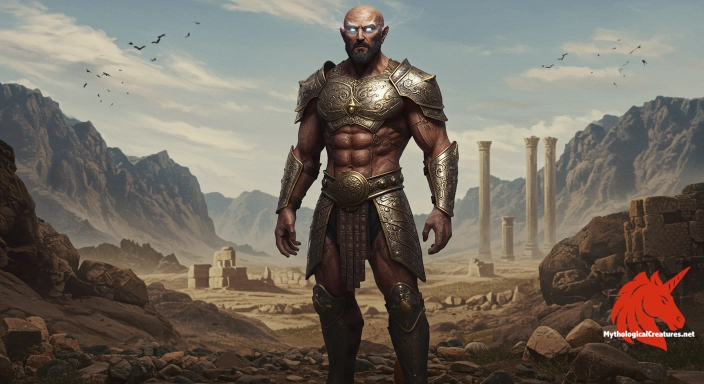
Dare to Meet the Garshasp....
Curated by the Mythological Creatures Team
Series editor: Mythological Creatures Directory
Primary desk: Hellenic & Ancient Mediterranean Desk
(rev. November 2025)