
Axioche: Axioche, also known as Danais, is a Greek mythological nymph celebrated for her ethereal beauty and divine nature.
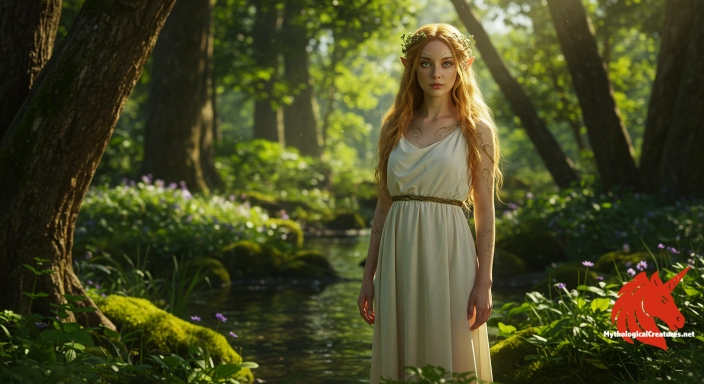
Axioche
Axioche - Axioche is primarily known as a nymph and the mother of Chrysippus, reflecting the intertwining of divine nature and human affairs in Greek lore.
the legend in five swipes.
the legend in five swipes.
The Origin Story of Axioche
Axioche emerges as an enigmatic figure within the tapestry of Greek mythology, a nymph whose graceful presence has captured the imagination of both ancient audiences and modern scholars alike. Her origins are shrouded in myth, with early attestations suggesting a divine essence intimately connected to the forces of nature. She is notably recognised as the mother of Chrysippus through her union with the heroic Pelops, a link that places her within the intricate genealogies of mythic heroes. The dual identity indicated by her being also referred to as Danais adds an intriguing layer to her persona, provoking debates over her exact role and origins. Her name itself evokes notions of honour and value, hinting at an elevated status among the lesser-known divinities of Greek lore. Over time, scant but significant references to her have contributed to a persistent aura of mystery that surrounds her narrative. This enigmatic presence bridges the gap between the mortal realm and the divine, embodying the subtleties of ancient spirituality. The sparse literary mentions have nevertheless inspired countless reinterpretations, each adding depth to her mythological significance. Her story, although brief in classical texts, resonates with timeless themes of beauty, transformation, and the delicate interplay between fate and nature.
How did the story of Axioche change over time?
Primary literary sources that mention Axioche are limited and fragmented, yet they offer intriguing glimpses into her mythological role. Ancient fragments and scholia have preserved her name, leaving modern interpreters to piece together her narrative from sparse details. In some writings, she is identified solely as Axioche, while in other accounts she bears the name Danais, reflecting variable regional traditions. These variations reveal how myth was often transmitted orally and later recorded in piecemeal fashion by different authors. Her connection to Pelops, a heroic icon of classical lore, further complicates and enriches the legacy attributed to her myth. Subsequent mythographers and commentators have intertwined her identity with local cultic traditions and artistic expressions, thus broadening the scope of her narrative. Although explicit descriptions are few, the contextual clues provided by these sources have spurred further scholarly inquiry. The diversity of her story variants underscores the fluidity of ancient myth-making, where identities and roles often merged and evolved. Each surviving reference contributes a small but significant thread to the larger tapestry of Greek myth, encouraging continued exploration and reinterpretation.
How would you recognise Axioche?
While ancient texts record little about Axioche's physical form, artistic and literary traditions have imagined her as embodying the quintessential splendour of a classical nymph. She is often envisioned with a luminous visage, where every feature seems to echo the delicate beauty of nature itself. In many imaginative reconstructions, her long, flowing hair is likened to the gentle cascade of a mountain stream, shimmering in the light of dawn. Her eyes, it is said, mirror the deep serenity of a woodland spring, inviting onlookers into a world of ethereal calm. The graceful and slender contours traditionally attributed to her suggest a harmonious balance between strength and fragility. Artists inspired by classical ideals have rendered her with an almost divine radiance, implying the semi-immortal status that nymphs typically possess. In these depictions, subtle hints of iridescence and an aura of gentle luminosity are evident, reinforcing her connection to the natural world. Though descriptions vary, the recurring motif is one of entrancing beauty that transcends mortal limits. Through this lens, Axioche remains a symbol of nature’s elegance and the mysterious allure of the divine.
Axioche: One Legend, Many Local Versions
The myth of Axioche has been subject to a variety of regional interpretations throughout ancient Greece, each adapting her character to local cultural contexts. In certain parts of the Peloponnese, she was revered not only as a nymph but also as a guardian spirit linked to specific natural landmarks such as springs and sacred groves. Her alternate name, Danais, points to a possible conflation with regional traditions surrounding the Danaids, blending different mythic threads into a multifaceted character. Local cultic practices sometimes celebrated her as a maternal figure who fostered both fertility and abundance in the landscape. Variations in artistic depictions further illustrate how her image could range from an ethereal, almost otherworldly presence to a more tangible, nurturing spirit. These regional adaptations highlight the dynamic nature of myth, where a single figure could embody both the universal and the particular. Festivals and local rites occasionally featured invocations of her name, reinforcing her presence in everyday cultural rituals. Through these localized interpretations, Axioche’s myth was continually reshaped to meet the spiritual and environmental needs of diverse communities. This nuanced variation underscores the adaptability of ancient mythologies, where regional identities and traditions helped keep ancient deities vibrantly alive.
Axioche: Related Figures Across Cultures
Axioche occupies a space in myth that invites comparisons with a host of nature spirits from a variety of cultural traditions. Her qualities resonate with those of the Naiads and Dryads of Greek lore, both celebrated for their close ties to the natural world and symbolic representation of its beauty. Similar parallels can be drawn with Roman mythology, where elemental goddesses and nymphs held roles that bridged human experiences with divine interventions. Other Mediterranean cultures also embraced figures that personified nature’s bounty, underscoring how themes of fertility and protection were universally understood. In this context, the dual identity of Axioche/Danais echoes the kind of mythic fluidity seen in other ancient narratives where names and functions often overlapped. Her portrayal as a nurturer and protector of heroic lineage aligns with broader archetypes that appear in various quality myths across cultures. These comparative insights reveal a shared narrative fabric, where the divine feminine is celebrated for both her beauty and her capacity to sustain life. Such cross-cultural connections highlight the universality of myth, illustrating how different civilizations interpret similar natural phenomena through symbolic, personified figures. In essence, Axioche’s myth weaves together threads found in various traditions, making her a compelling subject for comparative mythological studies.
Axioche: Then and Now
Throughout the ages, the figure of Axioche has undergone a subtle transformation that mirrors the evolving paradigms of artistic and cultural expression. Early mythological texts treated her as an enigmatic, almost ephemeral presence whose narrative was interwoven with other heroic tales. During the Hellenistic and Roman periods, her character began to gain richer iconographic detail as artists and writers sought to embellish the scant remnants of her story. The Renaissance and later periods saw a revived interest in classical themes, which led to imaginative reworkings of Axioche’s myth, imbuing her with contemporary resonances of beauty and mystery. In modern times, she has been reinterpreted as a symbol of the enduring natural spirit, echoing contemporary concerns about ecological balance and environmental stewardship. Her dual identity, straddling the line between divine splendour and human passion, has also made her an emblem of complex feminine power and resilience. Contemporary artists, novelists, and cultural commentators continue to draw on her myth, often portraying her as a guardian of both nature and tradition. This enduring legacy illustrates how even the most obscure mythic figures can be revitalised and given new meaning in every era. Thus, Axioche’s myth persists as a testament to the ever-changing dialogue between ancient myth and modern imagination.
Interesting Fact
Axioche's alternative name, Danais, hints at a complex layering of identity within Greek mythology, showcasing how minor deities often embody multiple narrative threads.
Mythological Treasures
Greek Myths: A field guide to the monsters of ancient Greece
Every monster here earned its place in legend, and each gets a full page of artwork and the story behind it.
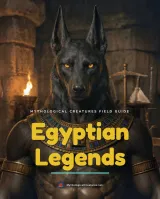
Egyptian Legends: A field guide to the gods and monsters of ancient Egypt
Guardians of the living and devourers of the dead, with the role each played in judgement.
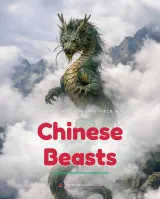
Chinese Beasts: A field guide to the dragons and demon kings of Chinese myth
From river dragons to demon kings, with the legends that shaped five thousand years of storytelling.
the legend in five swipes.
Mythology commerce, done carefully
Align your store with our global myth audience
If you sell myth-inspired jewellery, prints, decks, or collectibles, we can feature your brand without overwhelming the reading experience.
Partner with usQuick Creature Info
Origin:
Associations:
Our Mythic Legendary Rating:

Also Sometimes Known As:
Habitat:
Supernatural Powers:
Physical Attributes:
Abilities:
Behavior:
Lore:
Related Creatures, Tales or Lore
- NNaiads
- DDryads
- NNereids
References
Discover Another Mythical Legend You May Not Have Heard Of?
Uncover the mysteries of ancient folklore and expand your knowledge of legendary beings from cultures around the world.
Dare to Meet the Hurtaly....
The Mythological Creatures Book Series
Yokai, Greek, Norse, Egyptian & Chinese. Five illustrated field guides to the creatures the old stories either warned or told you about.

Curated by the Mythological Creatures Team
Series editor: Mythological Creatures Directory
Primary desk: Hellenic & Ancient Mediterranean Desk
(rev. November 2025)