
Bašmu: Bašmu is an ancient Mesopotamian mythological creature depicted as a venomous, horned snake with two forelegs and wings.

Bašmu
Bašmu - Bašmu is significant as a dangerous mythological being that combines terrestrial venom and celestial representation in Babylonian culture.
the legend in five swipes.
the legend in five swipes.
Who first told stories about Bašmu?
Bašmu stands as one of the most distinctive and enduring figures in ancient Mesopotamian myth, embodying both the mystique and peril of the natural and supernatural worlds. Emerging from a complex tapestry of religious and astronomical symbolism, this horned serpent with two forelegs and wings immediately captured the imagination of early civilizations. Its first known attestation on a 22nd-century BC cylinder inscription at Gudea secures its place among the earliest mythological beings in recorded history. The creature’s very name, meaning 'Venomous Snake' in Akkadian, suggests a potent combination of beauty and lethal power. Artisans and scribes alike portrayed Bašmu as simultaneously awe-inspiring and formidable, a guardian of cosmic order and a herald of chaos. The integration of celestial motifs in its depiction points to a role in aligning the terrestrial with the divine, evident in its association with a Babylonian constellation comparable to the Greek Hydra. The enduring image of Bašmu reflects an ancient cultural preoccupation with serpentine symbolism, fusing elements of danger, fertility, and transformation. Over centuries, its representation morphed to encapsulate shifting theological and astronomical paradigms, ensuring its survival in the collective myth. The creature’s iconography effectively bridged physical mortal existence with the enigmatic cosmos. In doing so, Bašmu secured a vital position in the narrative of an evolving mythological tradition.
Where can you read about Bašmu?
The primary evidence for Bašmu emerges from ancient inscriptions and mythological texts that have travelled through millennia. A standout example is the cylinder inscription attributed to Gudea, which firmly grounds this lore in the early historical record. The creature is frequently mentioned in Akkadian sources, where its name is rendered with cuneiform symbols such as MUŠ.ŠÀ.TÙR, emphasising its fearsome nature. Varying narrative strands exist, some of which portray it as a celestial phenomenon while others depict it as a menacing terrestrial force. In addition to the Akkadian texts, Sumerian traditions introduce related figures by names like ušum and muš-šà-tùr, thereby hinting at early divergent iconographic approaches. These texts not only offer insights into its mythological role but also highlight regional variations that challenge a singular interpretation. The variant accounts extend the creature’s myth, portraying multiple facets of its character depending on the ritual and mythical context. Over time, these sources, though fragmentary at times, have contributed to a composite legacy that has intrigued scholars and enthusiasts alike.
The Described Form of Bašmu
Bašmu is depicted with a sinuous, serpentine body that coalesces with features uncharacteristic of ordinary snakes, such as a pair of prominent forelegs. Its head, often illustrated with stylised fangs and an expression of cold, almost otherworldly determination, sets the stage for its role as a harbinger of danger. The incorporated horns, sometimes curving gracefully from its brow, add both a regal and combative quality to its appearance. Wings, which in some renditions appear reminiscent of those of a bat or a large bird, elevate its image to one that straddles the boundaries between the earthly and the divine. Intricate scale patterns are frequently noted in artistic depictions, each scale rendered with meticulous care to evoke a sense of both beauty and latent threat. In some representations, the creature's body is shown with robust musculature, suggesting a power that belies its sinuous movements. Size variations are evident across different artifacts, with some images portraying the creature as gargantuan while others adopt a more modest form. The duality of its terrestrial appendages and its aerial attributes contribute to a dramatic interplay of movement and stillness in visual media. Each physical element of Bašmu appears deliberately composed to evoke themes of duality and transformation. This deliberate amalgamation of features continues to serve as a compelling subject for artistic and scholarly exploration.
Bašmu: Local Variations in the Story
As myths travelled and evolved throughout Mesopotamia, the portrayal of Bašmu underwent notable transformations reflecting regional cultural syncretism. In certain local traditions, the creature’s depiction emphasised its terrestrial nature with a greater focus on its forelegs, while in other regions the emphasis was placed on its celestial attributes, such as its wings and association with star charts. The Sumerian iterations, indicated by names like ušum and muš-šà-tùr, sometimes stripped the creature of its legs, underlining differing local interpretations of its essence. These variations not only mirror the diverse artistic conventions of the time but also represent distinct religious and ritualistic contexts. Regional variations further expanded its role beyond that of a mere monstrous creature, imbuing it with symbolic importance as a guardian of cosmic boundaries. The creature’s presence in temple reliefs and ritual inscriptions hints at its integrated role in local religious practices and celestial observations. This diversity in depiction underscores a broader trend in ancient Near Eastern cultures, where mythological beings often adapted to the cultural and environmental specifics of their locale. Through these varied representations, Bašmu serves as a testament to the dynamic nature of myth-making across different communities.
What makes Bašmu different from similar figures?
The myth of Bašmu offers a fascinating lens through which to view similar serpent figures found in disparate cultures. Its resemblance to the Greek Hydra, especially through its transformation into a constellation, highlights a shared ancient fascination with serpentine deities and creatures. Comparable attributes can also be observed in the legendary figures of the Chinese Dragon and the Indian Nāga, where both benevolent and malevolent qualities are interwoven into their narratives. These cross-cultural parallels underscore a universal symbol of duality—the coexistence of creativity and destruction. In many traditions, serpents embody the liminal space between order and chaos, a theme that Bašmu robustly encapsulates. The creature’s horned visage and additional limbs further differentiate it from more conventional interpretations of snakes, offering a unique counterpoint in comparative mythology. These comparisons reveal an underlying continuum in human imagination where the serpent serves as a powerful metaphor for transformation. While each culture adapts the general symbol to its unique worldview, Bašmu’s distinct iconography resonates with a broader, shared mythopoetic tradition. Such parallels not only highlight commonalities in ancient human belief systems but also reveal how myth can transcend cultural boundaries to capture universal truths.
Bašmu: Modern Retellings and Reinventions
Over the millennia, the depiction of Bašmu has evolved from an embodiment of raw, dangerous power into a complex symbol bridging cosmic and earthly realms. Early Mesopotamian art and texts stressed its monstrous physicality, but as astronomical and religious ideas advanced, its image was reframed to reflect cosmic cycles and celestial phenomena. In later periods, authors and artists reinterpreted Bašmu as a guardian of metaphorical thresholds, linking it with both destruction and regeneration. Its transformation mirrors a broader historical trend where mythological figures gradually acquire layered meanings through time. Modern interpretations of Bašmu often draw upon both its fearsome legacy and its astral connections, finding resonance in contemporary art and literature. These reinterpretations invite modern audiences to explore classical themes of duality, chaos, and cyclical renewal. The creature’s journey from a literal serpent in ancient inscriptions to an enduring symbol in modern pop culture highlights the timeless adaptability of mythological archetypes. Influences of Bašmu can be discerned in modern fantasy genres, geology-inspired art, and even in the design motifs of science fiction. As scholarly debates continue to refine our understanding of ancient iconography, Bašmu remains a potent reminder of the enduring power of myth to evolve and inspire. The legacy of this horned, winged serpent continues to stimulate both academic inquiry and creative expression in the modern era.
Interesting Fact
Bašmu's dual identity as both a fearsome creature and a constellation highlights the ancient Mesopotamians' unique approach to intertwining myth, astronomy, and symbolism.
Mythological Treasures
Japanese Yokai: A field guide to the spirits and demons of Japanese folklore
Fifteen spirits, with the signs to watch for and what the old tales say to do if you meet one.
Greek Myths: A field guide to the monsters of ancient Greece
Every monster here earned its place in legend, and each gets a full page of artwork and the story behind it.
Norse Sagas: A field guide to the beasts of the Viking world
Drawn from the saga accounts themselves, with the powers, weaknesses and doom of each being set out.
the legend in five swipes.
For indie creators
Give your myth project a permanent home
Indie authors, artists, small studios, and makers can secure an annual, non-intrusive sponsor slot that meets readers where they explore.
Obtain more informationQuick Creature Info
Origin:
Our Mythic Legendary Rating:

Also Sometimes Known As:
Habitat:
Supernatural Powers:
Physical Attributes:
Abilities:
Lore:
Related Creatures, Tales or Lore
- HHydra
- TTiamat
- QQuetzalcoatl
References
Discover Another Mythical Legend You May Not Have Heard Of?
Uncover the mysteries of ancient folklore and expand your knowledge of legendary beings from cultures around the world.
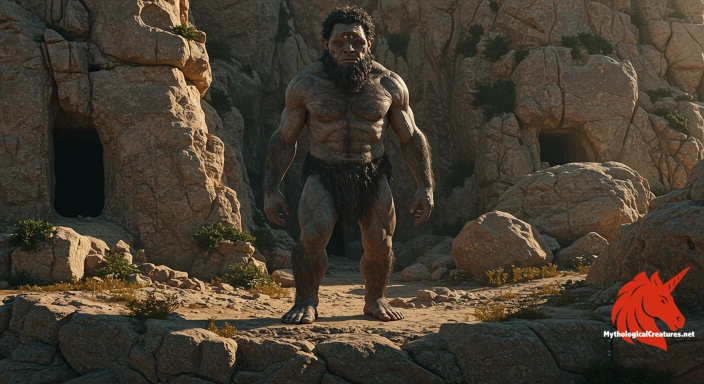
Dare to Meet the Polyphemus....
The Mythological Creatures Book Series
Yokai, Greek, Norse, Egyptian & Chinese. Five illustrated field guides to the creatures the old stories either warned or told you about.

Curated by the Mythological Creatures Team
Series editor: Mythological Creatures Directory
Primary desk: Hellenic & Ancient Mediterranean Desk
(rev. November 2025)