
Bauk: Bauk is a fearsome, animal-like creature from Serbian folklore that resembles a bear.
-f99f8b55-be74-4f89-a377-b96bbb0b3eac_small.webp "Bauk - The legend of the Bauk reflects both a cautionary tale and a folkloric memory of real bears that once roamed the region before becoming extinct in certain areas.")
Bauk
Bauk - The legend of the Bauk reflects both a cautionary tale and a folkloric memory of real bears that once roamed the region before becoming extinct in certain areas.
Origins & First Encounters
The legend of the Bauk is rooted in the rich tapestry of Serbian mythology, where it emerges as a creature both feared and mystified in local lore. The creature is traditionally depicted as stalking the shadowed corners of abandoned houses and dark, hidden recesses, embodying the dread of the unknown. Over the generations, its image has been interwoven with the cultural consciousness of rural communities, serving as a reminder of nature’s untamed side. Early attestations of the Bauk can be traced back to oral traditions, where its accounts were passed down as cautionary tales meant to keep children and wanderers safe. This mythic being is often linked with the memory of real wild animals, hinting at a time when the landscape was dominated by creatures of the forest. Its name, echoing the sound it is said to make, adds a layer of both whimsy and terror to its portrayal. The Bauk thus occupies a space that blends historical memory with imaginative storytelling, reflecting deep-seated human fears about the dark and unknown. Its continuing presence in modern retellings highlights not only its mythological importance but also the enduring nature of folklore as a bridge between past and present. In many ways, the Bauk symbolises both a relic of a lost natural world and an ever-evolving figure of myth, encapsulating the mystery that lies just beyond the light of civilisation. The creature’s legacy resonates with those who seek to understand the interplay between human culture and the wild, unexplained phenomena of nature.
Source Texts & Tale Variants
The Bauk appears in a variety of ancient oral narratives that have been preserved across centuries in the Balkan region. Tales of this creature were often recounted during long winter evenings around communal fires, captivating audiences with its eerie presence. While there are few written texts that directly document the Bauk, its story has been carefully maintained through the spoken word and later folkloric compilations. Variants of the story mention its distinctive clumsy gait and a mysterious onomatopoeic call that has delighted and terrified listeners alike. Some versions even suggest that the Bauk was a spectral echo of wildlife that once haunted the local landscapes, a detail that lends an element of historical veracity to its myth. In several accounts, the Bauk has been portrayed as both a cautious predator and a hapless creature, creating a multifaceted narrative that has intrigued storytellers. Regional storytellers have adapted the tale over time, incorporating contemporary elements such as the creature’s aversion to light and noise. These diverse narrative strands illustrate how the myth of the Bauk has been shaped by local experiences and communal memories. The blending of fear, humour, and the natural environment in these stories is a testament to the dynamic nature of oral tradition, where each retelling adds depth to the creature’s character. As such, the Bauk’s story continues to evolve while retaining its essential, eerie charm.
Form & Powers
The Bauk is typically envisioned as an animal-like entity with a bewildering mix of both natural and supernatural attributes. Its appearance is often described as rugged and imposing, with a body that hints at the former presence of a bear blended with other grotesque features. Some depictions suggest a creature cloaked in matted, coarse hair and endowed with a physicality that is both formidable and awkward. Its stride, marked by a clumsy gait known locally as bauljanje or Čarlijanje, creates an unsettling image of a beast that is as ungainly as it is menacing. The creature’s eyes are frequently imagined as intense and alert, resonating with the primal fear that it is capable of invoking. Variations in its size have been noted, with some narratives portraying it as a hulking figure while others hint at a more diminutive yet equally threatening presence. These physical descriptions leave ample room for the imagination, allowing the Bauk to merge characteristics of known animals with progressive mythic embellishments. The audible call of 'bau' often accompanies sightings, a simple sound that reinforces the creatures’ mysterious and unpredictable nature. In essence, the Bauk’s physical portrayal is one marked by ambiguity and evolution, echoing the blend of historical reality and mythic exaggeration.
Regional Faces
Across the varied landscapes of Serbia, the Bauk is remembered with regional nuances that reflect local environments and cultural traditions. In some northern and mountainous areas, this legendary creature is depicted with an enhanced ferocity and a stature that recalls the might of ancient forest bears. Conversely, in lowland regions, the Bauk’s image is softened by local narratives that emphasise its susceptibility to modern distractions like light and noise. Such distinctions underscore how regional ecologies and experiences of wilderness influence the storytelling process. In areas once known for their rugged natural landscapes, the Bauk is a symbol of nature’s untamable and unpredictable spirit. Villages often incorporated unique local elements into the tale, modifying the creature’s features to align with community expectations and historical encounters with wildlife. These adaptations have allowed the Bauk’s story to remain both relevant and resonant across different cultural settings. Even within Serbian mythology, the creature’s depiction can vary significantly, illustrating the broader trends of local myth-making. This diverse range of regional interpretations reinforces the idea that the Bauk is more than a static legend—it is a living narrative that shifts with the environment. Such fluidity in its portrayal highlights a strong connection between the human and the natural worlds across Serbia’s varied landscapes.
Cultural Parallels
The Bauk shares intriguing parallels with other mythological creatures found throughout Europe, bridging local legends with broader folklore traditions. Its elusive, shadow-dwelling character is reminiscent of the bogeyman found in various cultural narratives, serving as an emblem of the fear of the dark and unexplained. Comparative analysis reveals that, like many regional monsters, the Bauk is a conflation of real natural phenomena and supernatural interpretation. Similar legendary beings in neighbouring Balkan and Slavic traditions often carry elements of animalistic behaviour, suggesting that the Bauk might be part of a wider network of mythic creatures. In some accounts, the creature is ascribed qualities reminiscent of a bear, blending genuine wildlife encounters with myth to create a formidable yet familiar adversary. The Bauk’s attributes, such as its clumsy gait and susceptibility to light and noise, evoke similar motifs in comparative folklore where the monstrous is both tangible and symbolic. Its role in warning against venturing into dangerous or liminal spaces is echoed in many cultures that construct monsters as custodians of the boundaries between civilisation and the wild. The interplay between real animal behaviour and mythologised narratives is a common theme that the Bauk robustly exemplifies. This synthesis of natural and supernatural elements situates the Bauk within a broader tradition, inviting comparisons to a host of legendary figures that illuminate the human response to nature’s awe and terror. Through these cultural parallels, the Bauk stands as a testament to the universal human impulse to interpret the natural world in extraordinary ways.
Legacy & Modern Evolution
Over the centuries, the image of the Bauk has undergone significant transformations, adapting to the shifting cultural and historical landscapes of the region. Initially portrayed as a menacing predator, its origins are deeply entwined with the memories of real dangers from a bygone era when wild bears roamed freely. With the advance of modernity and the diminishing proximity to untamed nature, the Bauk’s depiction began to reflect both nostalgia and reinterpretation of ancient fears. In contemporary settings, this legendary creature is sometimes reimagined as a misunderstood guardian of forgotten habitats, blurring the line between menace and melancholy. Modern retellings often incorporate ironic elements, such as the creature’s aversion to everyday modern disturbances like bright lights and urban noise. Its evolution in literature, film, and popular culture underscores a dual narrative: one that respects the traditional myth while embracing newer, sometimes satirical interpretations. The Bauk’s enduring presence in folklore has also sparked debates about the loss of natural biodiversity and the ways in which ancient myths mirror ecological transitions. As technology and science reshape our understanding of the natural world, the legend of the Bauk remains a poignant reminder of humanity’s deep-rooted connection with wilderness and the otherworldly. Whether viewed as a relic of a lost era or as a vehicle for modern cultural commentary, the Bauk continues to occupy a vital space in the cultural imagination. Its legacy, therefore, is a living narrative that adapts with the times, symbolising both historical continuity and the reinterpretation of myth in a changing world.
Interesting Fact
The word 'bauk' originally began as a term of endearment (a hypocorism) before evolving into a legendary figure in Serbian folklore.
For serious myth projects
Feature your work alongside the legends
From academic works to story-rich games, we highlight projects that respect world mythologies. Talk to us about a measured, long-term placement.
Start a conversationQuick Creature Info
Features:
Our Mythic Legendary Rating:

Also Sometimes Known As:
Habitat:
Supernatural Powers:
Physical Attributes:
Abilities:
Behavior:
Weaknesses:
Lore:
Related Creatures, Tales or Lore
- BBugbear
- BBoogeyman
- WWerebear
References
Discover Another Mythical Legend You May Not Have Heard Of?
Uncover the mysteries of ancient folklore and expand your knowledge of legendary beings from cultures around the world.
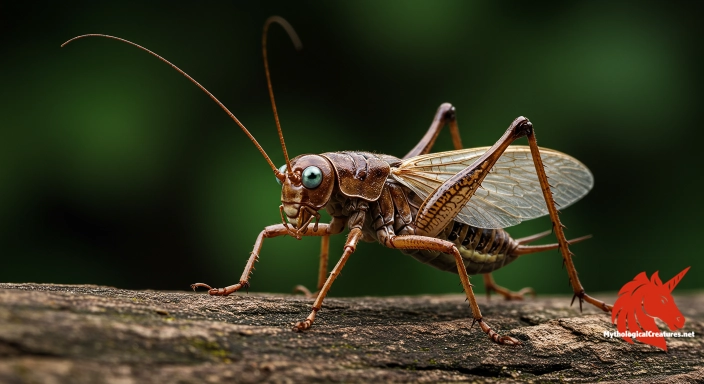
Dare to Meet the Heimchen....
Curated by the Mythological Creatures Team
Series editor: Mythological Creatures Directory
Primary desk: Northern & European Folklore Desk
(rev. November 2025)