
Boginka: Boginka are female nature spirits or demons in Polish pagan mythology.
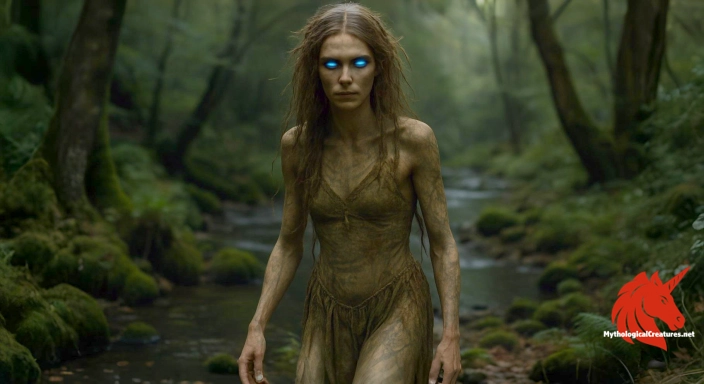
Boginka
Boginka - They embody the unpredictable and dual nature of the wild, serving as both cautionary figures and personifications of untamed natural forces.
the legend in five swipes.
the legend in five swipes.
The First Records of the Boginka
The boginka is a captivating spirit in Polish pagan mythology that embodies the untamed forces of nature and the enigmatic qualities of the wilderness. Born from ancient beliefs that revered the natural world, it has been a fixture in folklore for centuries. Its name, which translates to "minor goddess," reflects the perception of these entities as both divine and mischievous. Often portrayed as either a beautiful, alluring young girl or a fearsome, ugly old hag, the boginka encapsulates nature’s dual aspects of attraction and terror. Folk tales depict her as a personification of forests, fields, mountains, and waters, emphasising a deep connection to every corner of the natural environment. The spirit’s ambiguous demeanour mirrors the unpredictability of nature, where beauty and danger often walk hand in hand. Rural communities held these beings in both reverence and caution, believing that they could either bless the land or exact a subtle, vengeful punishment. The enduring presence of the boginka in cultural narratives underscores an ancient link between everyday life and the mysteries of the natural world. Over time, her myth has evolved with society’s changing relationship to nature, yet she remains a symbol of the wild and the unpredictable.
What are the earliest texts about the Boginka?
While no single ancient manuscript exclusively defines the boginka, her legend is woven through a rich tapestry of oral traditions and regional lore. Accounts of her exploits have been preserved in folk tales, local ballads, and rural chronicles that spanned generations. Variations of the story appear in different parts of Poland, where storytellers adapted her character to mirror community values and natural phenomena. In some versions, she is depicted as a malevolent force capable of inflicting misfortune, while in others, she embodies the capricious spirit of nature. Early ethnographic studies and medieval bestiaries occasionally hint at such entities, blurring the line between divine intervention and demonic mischief. Seasonal festivals and ritual recitations often featured narratives about the boginka, reinforcing her presence in the cultural memory. The overlapping identities with figures like the rusałka, vila, and mamuna further enrich the myth, offering a complex network of supernatural characters. Local storytellers infused their own experiences and geography into the legend, giving rise to multiple variants that emphasise different attributes of the boginka. This wealth of folkloric sources serves to illustrate the multifaceted nature of her character and the enduring fascination she exerts.
What abilities did the Boginka have?
The physical depiction of the boginka is as varied as the landscapes she inhabits, making her an ever-shifting enigma in the realm of myth. In some accounts, she appears as an exquisitely beautiful young woman with an otherworldly allure, often portrayed in a state of undress to symbolise her pure connection with nature. Conversely, other descriptions cast her as a decrepit and fearsome old hag, with a wizened face, tangled hair, and eyes that mirror the shadowed depths of a dense forest. Her appearance is not fixed; instead, it is influenced by the cycle of the seasons, evolving from the soft vibrancy of spring into the stark austerity of winter. Elements of flora and fauna are sometimes interwoven with her features, suggesting that the very essence of natural growth is bound to her persona. Some narratives even allude to her having a mutable form, capable of altering her stature and features to blend seamlessly with her surroundings. The juxtaposition of delicate beauty and grotesque decay in her physical portrayal evokes both awe and dread. This duality is reflective of the belief that nature itself possesses the capacity to nurture as well as to destroy. In every depiction, the boginka’s physicality remains an arresting blend of the ethereal and the unsettling.
Where is the legend of the Boginka strongest?
The myth of the boginka exhibits unique regional nuances throughout Poland and neighbouring Slavic territories. In the highlands of the Carpathian Mountains, local legends often present her as a solitary figure whose eerie beauty masks a latent ferocity intertwined with the rugged terrain. In contrast, communities near lakes and rivers have absorbed her traits into water spirit lore, warning of unpredictable dangers along the shoreline. In Poland’s lowland regions, her narrative overlaps with similar figures like the rusałka and mamuna, creating a mosaic of related supernatural beings that share thematic traits. Each locality adapts her story to highlight specific natural landmarks, such as deep forests, sprawling marshes, or isolated dykes. Folk art, regional dialects, and local songs further refine her image, endowing her with diverse names and subtle variations in character. Despite these regional adaptations, the fundamental duality of beauty and malevolence remains a constant thread in her lore. These regional variations underscore the adaptability of myth and how a singular creature can embody the distinctive features of different natural environments.
How does the Boginka compare to figures in other traditions?
The boginka shares striking similarities with nature spirits and minor deities found in various mythological traditions around the world. Her dual portrayal—as both a mesmerizing beauty and a harbinger of misfortune—echoes the ancient Greco-Roman nymphs and the capricious fairies of Celtic lore. Like the Slavic rusałka and the vila, she dwells on the edges of human perception, embodying both alluring charm and inherent danger. This delicate balance between attraction and repulsion is a recurring motif in many cultures, symbolising humanity’s ambivalent relationship with the natural world. The boginka’s myth also parallels that of water deities in eastern European folklore, all of which serve as personifications of nature’s unpredictable rhythms. These creatures, despite cultural differences, often possess the ability to bestow blessings or wreak havoc, underscoring a universal theme in folklore. Comparative analysis reveals that such figures commonly reflect societal attempts to explain unexplained natural phenomena and to instil respect for the wild. The cross-cultural connections between these myths highlight a shared human experience: the need to reconcile the beauty and menace inherent in the environment.
Where does the Boginka appear in films and games?
From ancient pagan rites to modern creative reinterpretations, the legacy of the boginka has undergone a significant evolution. Traditionally, she was a terrifying presence woven into the fabric of rural superstition—an embodiment of nature’s unpredictable and sometimes vengeful spirit. Over time, as society’s views on nature and the supernatural shifted, so too did the portrayal of the boginka. Contemporary interpretations often embrace her complexity, portraying her as a multifaceted symbol of both natural resilience and environmental warning. Modern literature, film, and visual art have reimagined her narrative, transforming the old demon into a character that speaks to current ecological concerns and the lasting power of myth. In many modern depictions, the boginka is both a cautionary tale and an emblem of the raw beauty of untouched nature. Her myth is celebrated in folklore festivals and continues to inspire artistic expressions that explore the boundaries between humanity and the natural world. The enduring appeal of the boginka lies in her ability to simultaneously evoke fascination and fear, encapsulating the eternal dialogue between civilisation and the wilderness. As such, she remains a potent and adaptable symbol in contemporary culture, bridging the gap between ancient myth and modern allegory.
Interesting Fact
Changelings created by boginki were historically used to explain the presence of mental disabilities in children, reflecting the deep interconnection between folklore and societal understandings of natural phenomena.
Mythological Treasures
Egyptian Legends: A field guide to the gods and monsters of ancient Egypt
Guardians of the living and devourers of the dead, with the role each played in judgement.
Chinese Beasts: A field guide to the dragons and demon kings of Chinese myth
From river dragons to demon kings, with the legends that shaped five thousand years of storytelling.
Japanese Yokai: A field guide to the spirits and demons of Japanese folklore
Fifteen spirits, with the signs to watch for and what the old tales say to do if you meet one.
the legend in five swipes.
For serious myth projects
Feature your work alongside the legends
From academic works to story-rich games, we highlight projects that respect world mythologies. Talk to us about a measured, long-term placement.
Start a conversationQuick Creature Info
Associations:
Our Mythic Legendary Rating:

Also Sometimes Known As:
Habitat:
Supernatural Powers:
Physical Attributes:
Abilities:
Behavior:
Weaknesses:
Lore:
Related Creatures, Tales or Lore
- RRusałka
- VVila
- MMamuna
- DDziwożona
- ŁŁaskotałka
- NNawka
References
Discover Another Mythical Legend You May Not Have Heard Of?
Uncover the mysteries of ancient folklore and expand your knowledge of legendary beings from cultures around the world.
Dare to Meet the Wirry-cow....
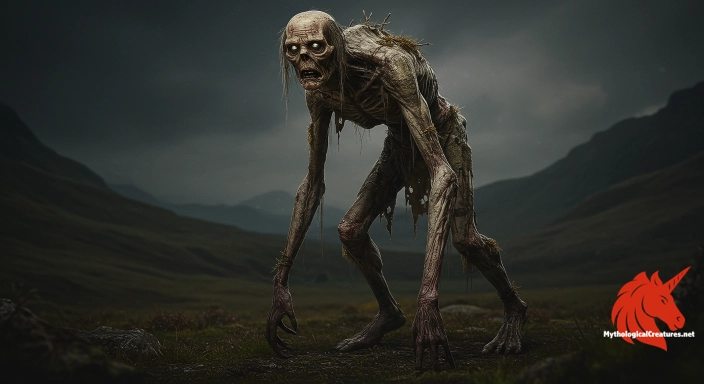
The Mythological Creatures Book Series
Yokai, Greek, Norse, Egyptian & Chinese. Five illustrated field guides to the creatures the old stories either warned or told you about.
Curated by the Mythological Creatures Team
Series editor: Mythological Creatures Directory
Primary desk: Northern & European Folklore Desk
(rev. November 2025)