
Brown Man of the Muirs: The Brown Man of the Muirs is a folkloric dwarf known as a guardian spirit of wild animals from the Anglo-Scottish border.
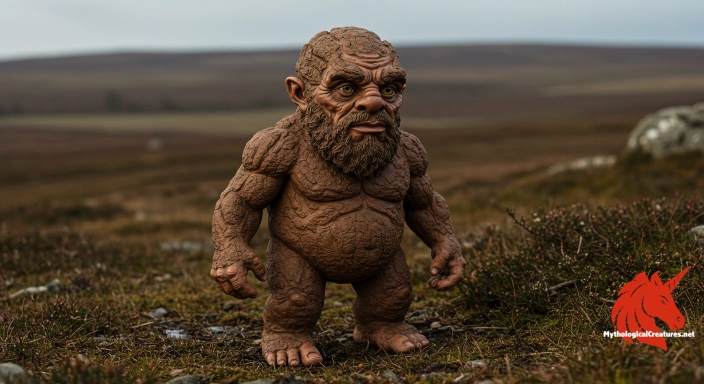
Brown Man of the Muirs
Brown Man of the Muirs - Represents the ancient tradition of nature guardians in the folklore of the Anglo-Scottish border, protecting wildlife and maintaining natural order.
the legend in five swipes.
the legend in five swipes.
How did the legend of the Brown Man of the Muirs begin?
The Brown Man of the Muirs stands as a poignant figure in Anglo-Scottish border lore, serving as a living symbol that bridges the realms of humanity and the wild untamed lands. His character, depicted as a dwarf-like guardian, is steeped in ancient traditions that honour the forces of nature and the mystery of the moorlands. Roots in local pagan practices infuse his narrative with an intrinsic respect for the terrestrial and animal world, a sentiment that has resonated through centuries. His emergence in folklore is not merely as a mythic being, but as an enduring emblem of the natural order, safeguarding creatures of the wild with steadfast loyalty. This diminutive guardian has been interwoven into the fabric of regional storytelling, where his enigmatic presence inspires both reverence and a touch of gentle mischief. The mystique surrounding his origins has been enriched by oral traditions passed down through generations and has lent him a timeless quality that continues to fascinate. Despite the scant historical documentation, his legend endures in the collective memory of border communities. Rural narratives and secretive murmurs alike portray him as a mediator between the human realm and the spirit of the moors. His tale is a reflection of how ancient communities viewed the natural environment, blending awe with the mystical energies of the land.
How was the story of the Brown Man of the Muirs recorded?
The Brown Man of the Muirs appears in a diverse array of folk accounts that have been carefully recorded over the centuries. Early inscriptions in notable compilations such as the Richardson’s Table Book during the nineteenth century provide one of the few written attestations of his mysterious nature. In those texts, he is sometimes referred to as the Brown Man of the Moor, a subtle change in title that underscores his intimate connection with vast, untamed landscapes. His legend is intermingled with stories of other supernatural beings including boggleboes, bogies, redmen, portunes, grants, hobbits, and hobgoblins, creating a rich tapestry of interconnected mythic figures. Each variant slightly redefines his role and attributes, pointing to a flexible narrative shaped by local storytellers. Some manuscripts hint at a benevolent protector who presides over the natural world, while others attribute to him a more capricious temperament. Even though direct primary sources are limited, the survival of his lore in the folklore society publications and regional oral traditions speaks volumes about his cultural impact. The varying accounts reveal a complexity that transcends a singular historical narrative, inviting modern enthusiasts to interpret his role in different ways. The diversity of story variants not only preserves his myth but also highlights the shared cultural heritage of the Anglo-Scottish borderlands.
Brown Man of the Muirs: What the Legends Describe
An embodiment of the earth’s rugged elegance, the Brown Man of the Muirs is typically portrayed as a diminutive yet robust figure with features that echo the textures of the surrounding landscape. His exposed skin, often imagined in shades of deep brown reminiscent of the moor’s soil, blends seamlessly with the earthy backdrop of his environment. Tales suggest his appearance is accentuated by clothing fashioned from natural fibres and materials that mimic the textures of bark and foliage. Visual portrayals introduce a character whose eyes sparkle with a mysterious luminescence, hinting at both playful mischief and ancient wisdom. His stature, though modest, carries an imposing presence that commands respect among both human and animal denizens of the wild. A rugged beard and wild, tangled hair are frequently ascribed to him, evoking images of a life interlaced with moss, twigs, and natural decay. Artistic depictions sometimes illustrate him with an almost otherworldly sternness softened by the gentle care with which he watches over the moors. The fusion of human traits with natural elements is carefully balanced in his appearance, marking him as a true spirit of the earth. Every detail of his visual description serves to underline his inseparable bond with the landscape he protects.
How does the Brown Man of the Muirs differ by region?
The lore of the Brown Man of the Muirs demonstrates significant regional nuances across the Anglo-Scottish border, reflecting varied cultural perspectives. In some southern Scottish traditions, he is depicted with a more welcoming demeanour, almost as a guide to lost travellers seeking refuge in the wild. Local narratives in these areas often infuse elements of Celtic mysticism, aligning him with woodland deities and ancestral guardian spirits. Conversely, in the northern regions of England, especially in parts of Northumberland, he is sometimes recast as a more enigmatic and even cautionary figure. These variations extend to physical descriptions and behavioural traits, with some locals portraying him as more gnomish and others emphasising his human-like ruggedness. Different communities have adapted his myth to mirror their own relationship with nature and the local environment. His name and attributes may shift subtly based on local dialects and the influences of neighbouring supernatural entities such as hobgoblins and redmen. The adaptive nature of his legend illustrates how folklore moulds itself to the environment and spirit of its audience, ensuring the Brown Man remains a relevant symbol across diverse landscapes.
Does another culture have a figure like the Brown Man of the Muirs?
The Brown Man of the Muirs occupies a fascinating position within the broader context of European mythologies, where guardian spirits of nature frequently emerge from the shadows of oral tradition. His portrayal bears a qualitative resemblance to the Brownies of Scottish legend, although his domain is predominantly the wild moors rather than the domestic sphere. Comparisons can also be drawn with figures such as the tomte or nisse in Scandinavian lore who similarly embody a fusion of protective care and mischievous character. In regions where faerie lore thrives, his presence is celebrated as part of an intricate system of natural spirits that traverse the boundaries of mortal existence. His modest size and earthy appearance find echoes in the diminutive elves and goblins of continental stories, yet his function as a guardian of wild animals remains distinct. Such cross-cultural parallels emphasise a collective human effort to personify nature’s bounty through approachable, even quirky, characters. This mixture of benevolence, mystery, and environmental guardianship invites a deeper enquiry into how various cultures interpret the forces of the natural world. His being serves as a bridge between specialised local lore and wider mythological archetypes, enriching the tapestry of supernatural guardians revered worldwide.
Brown Man of the Muirs: The Modern Legacy
Over the centuries, the narrative of the Brown Man of the Muirs has undergone a compelling transformation, mirroring evolving attitudes towards nature and rural identity. Early rural accounts cast him as the solitary guardian of the wilderness, a figure whose mysterious aura was meant to inspire respect and caution among those who ventured into natural territories. With the onset of industrialisation, his image was romanticised to reflect a nostalgic yearning for a rural past and a pristine world. In more recent times, his story has been revitalised within modern environmental discourse, where he emerges as a potent symbol of natural resilience and ecological stewardship. Contemporary adaptations in literature and art reimagine him as a figure emblematic of the struggle to preserve ancestral landscapes amid rapid modernisation. The evolution of his tale reflects broader cultural shifts, linking ancient mythic traditions with modern environmental ethics. His enduring legacy is celebrated not only as an outsider spirit but also as an integral part of local heritage, offering insights into a time when nature was revered as a living, enchanted presence. As modern society grapples with environmental challenges, the Brown Man’s myth continues to inspire a reverence for the natural world, acting as a bridge between myth and a renewed ecological consciousness.
Interesting Fact
An intriguing aspect of his lore is that he appears under varying names and in diverse accounts, linking him to a broader family of small folkloric beings like hobgoblins and bogies, thus highlighting the rich, interconnected tapestry of border folklore.
Mythological Treasures
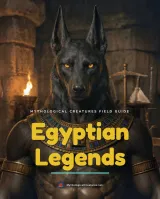
Egyptian Legends: A field guide to the gods and monsters of ancient Egypt
Guardians of the living and devourers of the dead, with the role each played in judgement.
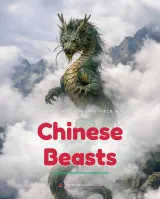
Chinese Beasts: A field guide to the dragons and demon kings of Chinese myth
From river dragons to demon kings, with the legends that shaped five thousand years of storytelling.
Japanese Yokai: A field guide to the spirits and demons of Japanese folklore
Fifteen spirits, with the signs to watch for and what the old tales say to do if you meet one.
the legend in five swipes.
Limited sponsor opportunity
One slot, carefully chosen partners
We only feature a small number of relevant sponsors at any time. If you create serious myth content, we would like to hear from you.
Partner with usQuick Creature Info
Features:
Associations:
Our Mythic Legendary Rating:

Also Sometimes Known As:
Habitat:
Supernatural Powers:
Physical Attributes:
Abilities:
Behavior:
Weaknesses:
Lore:
Related Creatures, Tales or Lore
References
Discover Another Mythical Legend You May Not Have Heard Of?
Uncover the mysteries of ancient folklore and expand your knowledge of legendary beings from cultures around the world.
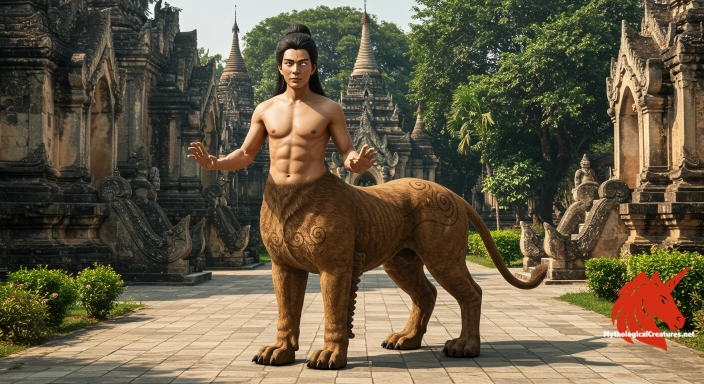
Dare to Meet the Manussiha....
The Mythological Creatures Book Series
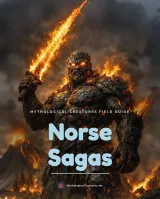
Yokai, Greek, Norse, Egyptian & Chinese. Five illustrated field guides to the creatures the old stories either warned or told you about.
Curated by the Mythological Creatures Team
Series editor: Mythological Creatures Directory
Primary desk: Northern & European Folklore Desk
(rev. November 2025)