
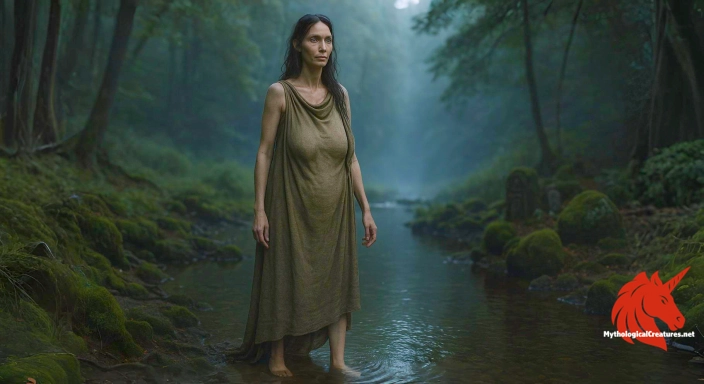
Broxa: Broxa is a shape shifting creature from Jewish and medieval Portuguese folklore, known to alternate between a winged bird and a demon/witch form.

Broxa
Broxa - Broxa serves as an example of the syncretism between Jewish folklore and Portuguese demonology, illustrating the evolution of mythological beings through cultural adaptation.
the legend in five swipes.
the legend in five swipes.
Broxa: Where the Legend Started
The Broxa is an enigmatic figure rooted in Jewish myth and later European folklore, its origin steeped in mystery and cultural symbolism. Emerging in early traditional narratives, it was first attested in oral lore that blended natural observation with spiritual superstition. Its depiction as a creature that preys on the vital essence of goats—and in some accounts even human blood—adds a chilling dimension to its character. Over time, the Broxa evolved into an entity linked with both natural phenomena and supernatural dread, encapsulating the fears of communities centred on the inexplicable. Its transition from a bird-like spectre in Jewish accounts to a shape-shifting presence in medieval Portugal highlights its fluid identity. The creature’s mysterious duality, combining elements of both beauty and horror, has cemented its place in the pantheon of mythological adversaries. Throughout its storied history, the Broxa has served as a symbol of the unpredictable power of nature and the occult. Its layered narrative, rich with metaphor and allegory, continues to evoke fascination and curiosity in both scholars and enthusiasts of folklore.
Broxa: The Written Sources
Ancient manuscripts and oral traditions provide the backbone for the Broxa’s many narrative strands, drawing from a rich tapestry of Jewish and Iberian folklore. Early sources describe it as an otherworldly bird that extracts the life force from its victims, especially by siphoning the milk of goats. Other accounts, particularly from medieval Portugal, portray the Broxa as a shape-shifter capable of transforming into both a male demon and a female witch. These diverse texts reveal a creature that defies simple categorisation, oscillating between natural and supernatural realms. Folkloric recensions preserved in regional literature have amplified its notoriety, portraying the creature as an omen of ill fortune. The detailed descriptions found in traditional stories underscore both its animalistic features and its uncanny ability to metamorphose. Supplementary narrative variants have emerged over time through the retelling by local storytellers and chroniclers. This accumulation of diverse sources has allowed the myth to be adapted and reinterpreted while retaining a core of mysterious allure.
Broxa: Form, Powers and Weaknesses
The physical representation of the Broxa is marked by striking contrasts that mirror its dual nature. Early depictions emphasise its avian characteristics, with expansive wings and a sleek, shadow-like form that exudes an eerie beauty. Descriptions often highlight a hooked beak, perfectly designed for extracting nourishment from unsuspecting victims. As folklore evolved, the creature was also rendered with more human-like features, such as piercing eyes and ambiguous, shifting bodily contours. In some narratives, it is portrayed as a spectral entity that transcends conventional anatomy, incorporating both feathered and fleshly elements. Its size is variably described, sometimes as diminutive enough to conceal itself among common birds, and at other times as imposing enough to instil dread in observers. The interplay of delicate and sinister traits in its appearance underscores the Broxa’s role as a bridge between the mortal and the supernatural. This fluidity in physical description has allowed the creature to maintain an air of perpetual uncertainty and fascination.
How does the Broxa differ by region?
The Broxa’s myth has been subject to significant regional reinterpretation, with its portrayal adapting to local cultural nuances. In Jewish tradition, it is primarily depicted as a nocturnal, milk-draining avian, reflecting specific community concerns over the purity and sustenance of life. In contrast, medieval Portugal offered a more complex vision, transforming it into a shapeshifting entity that oscillates between a male demon and a female witch. This regional shift highlights diverse socio-cultural perspectives, where the creature becomes a mirror for gendered interpretations of power and menace. In certain Eastern European narratives, similar creatures emerge, yet the distinct attributes of the Broxa remain uniquely aligned with its origins. Smaller rural communities have also given rise to variations that depict the Broxa as a harbinger of misfortune, reinforcing its ominous presence during night-time hours. Such regional adaptations have allowed the myth to absorb and reflect local superstitions and societal fears. Overall, the differences in its portrayal across cultures underscore the versatility inherent in myth-making, adapting seamlessly to the prevailing cultural and religious landscape.
Is the Broxa unique, or found elsewhere?
Comparative analysis reveals that the Broxa shares intriguing similarities with other mythological entities worldwide, bridging gaps between various cultural narratives. Much like the strigoi of Eastern European lore or the chupacabra in Latin American myth, the Broxa embodies a fearsome nocturnal predator that feeds on vital fluids. Its spectral nature also finds echoes in medieval vampire myths, solidifying its position among creatures that thrive on the disruption of natural order. The dual presentation of the Broxa as both a demonic force and a witch-like figure offers parallels with other shapeshifters found in folklore across Europe. This transformative capacity is a recurring motif in mythologies which seek to explain unexplained natural phenomena or human vulnerabilities. Additionally, the ambiguous gender portrayal of the Broxa resonates with other legendary figures whose power is derived from their ability to transcend conventional human traits. Such cross-cultural connections highlight a common thematic concern: the fear of forces that exist beyond the boundaries of nature and reason. Ultimately, the Broxa stands as a testament to the shared human impulse to personify the mysterious through symbols that defy simple explanation.
Broxa: The Legend's Second Life
The evolution of the Broxa over the centuries is a vivid testament to the dynamic interplay between myth and societal transformation. Initially depicted as a mysterious bird that preyed on the lifeblood and essential sustenance of animals and humans, the creature’s narrative has grown in complexity. Its shift towards a shape-changing entity in medieval Portuguese folklore reflects broader cultural anxieties and a deep-seated need to explain the inexplicable through supernatural symbolism. In modern interpretations, the Broxa has emerged in various forms, often reimagined within genres such as gothic literature, fantasy cinema, and contemporary art. These modern incarnations tend to emphasise its dual nature, capturing both its alluring beauty and its sinister capacity for predation. The creature has maintained its symbolic resonance as a marker of the liminal space between the natural and the supernatural. As academic interest in folklore continues to deepen, the Broxa is increasingly viewed not merely as a fearsome demon or witch, but as a complex symbol of transformation and the unknown. Its enduring legacy serves as a bridge between historical myth-making and today’s exploration of cultural identity and the mysteries of existence.
Interesting Fact
Broxa’s dual representation as both a parasitic bird and a shape shifting demon highlights the fluidity of mythological identities, illustrating how folklore can evolve and merge diverse cultural elements over time.
Mythological Treasures
Japanese Yokai: A field guide to the spirits and demons of Japanese folklore
Fifteen spirits, with the signs to watch for and what the old tales say to do if you meet one.
Greek Myths: A field guide to the monsters of ancient Greece
Every monster here earned its place in legend, and each gets a full page of artwork and the story behind it.
Norse Sagas: A field guide to the beasts of the Viking world
Drawn from the saga accounts themselves, with the powers, weaknesses and doom of each being set out.
the legend in five swipes.
For publishers and studios
Your next readers are already here
Many of our visitors are looking for books, campaigns, and resources that deepen their journey into myth. Position your title or setting here.
Discuss a placementQuick Creature Info
Our Mythic Legendary Rating:

Habitat:
Supernatural Powers:
Physical Attributes:
Abilities:
Behavior:
Lore:
Related Creatures, Tales or Lore
References
Discover Another Mythical Legend You May Not Have Heard Of?
Uncover the mysteries of ancient folklore and expand your knowledge of legendary beings from cultures around the world.
Dare to Meet the Slattenpatte....
The Mythological Creatures Book Series
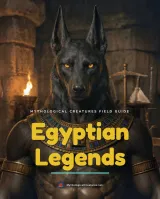
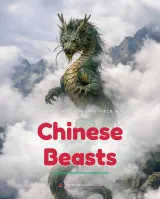
Yokai, Greek, Norse, Egyptian & Chinese. Five illustrated field guides to the creatures the old stories either warned or told you about.
Curated by the Mythological Creatures Team
Series editor: Mythological Creatures Directory
Primary desk: Hellenic & Ancient Mediterranean Desk
(rev. November 2025)