
Cabeiri: The Cabeiri are an enigmatic group of chthonic deities from Greek mythology, revered in mystery cults throughout the Aegean.
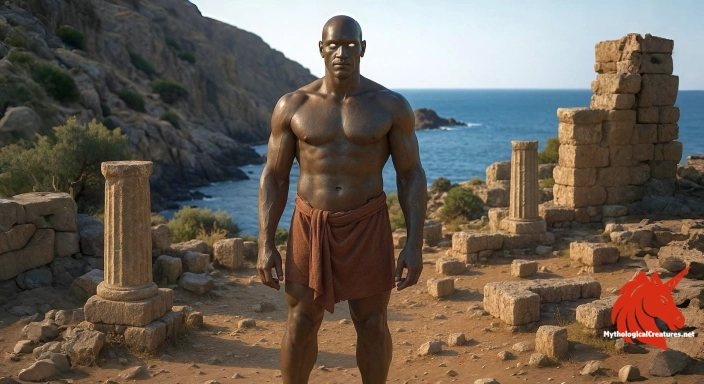
Cabeiri
Cabeiri - They played a crucial role in the religious life of the Aegean, embodying secret knowledge and divine power outside the standard Olympian framework.
Origins & First Encounters
The Cabeiri are a fascinating group of chthonic deities whose origins seem to intertwine mystery, metallurgy, and sacred rites in the ancient Aegean. Their emergence is set against a backdrop of pre-Greek influences and the gradual absorbing of local religious traditions into the fabric of Hellenic mythology. Worshipped primarily on Lemnos and possibly on Samothrace, they gained renown for their secretive cult practices and connections with the god of fire, Hephaestus. Early attestations of their legend suggest that the Cabeiri were regarded as intermediaries, bridging the mortal world with the enigmatic powers of the underworld. Their mythic genealogy, sometimes portrayed as the offspring of Hephaestus and a mysterious maternal figure, reflects an intricate fusion of native and foreign elements. Over time, local communities embraced these deities, attributing to them roles that went far beyond simple divine patronage. The Cabeiri thus symbolised not only craftsmanship and transformation but also the allure of hidden knowledge and initiation. Their enduring appeal is marked by both the mystique of secret rites and the rich tapestry of cultural beliefs that evolved around them.
Source Texts & Tale Variants
The recorded narratives of the Cabeiri are pieced together from a range of ancient inscriptions, mural depictions, and literary fragments that have survived the passage of time. Several ancient authors, most notably through geographic commentaries and mythographical treatises, have alluded to their cult and its rituals. Conflicting accounts appear throughout these sources, with some traditions asserting a precise lineage from Hephaestus while others portray them as an entire race or group of divine beings. Variations in the number of deities—ranging from two to as many as four or more—suggest that their myth was as diverse as it was enigmatic. Ritual dedications found on Lemnos and within Samothracian mystery temples hint at rites involving initiation and rebirth. The recorded evidence often intertwines their worship with that of other deities, thereby reinforcing the complexity of their mythic identity. In addition to classical writings, references in early Christian texts indicate that mystery cults similar to that of the Cabeiri were a topic of concern in later antiquity. Such variegated sources not only highlight differing regional interpretations but also ensure that the Cabeiri continue to inspire debate among modern scholars.
Form & Powers
The artistic representations of the Cabeiri present an elusive and multi-faceted image that leaves much to interpretation. Early depictions rarely offer a fixed iconography, instead portraying these deities with a rugged vitality that reflects their chthonic nature. Some artefacts suggest that they were depicted as robust figures, sometimes adorned with simple robes or utilitarian accouterments symbolising their association with craftsmanship and fire. A number of ancient vases and reliefs hint at features that are both martial and mysterious, perhaps indicating a dual role as both protectors and bearers of secret wisdom. In these visual portrayals, a subtle blend of youth and maturity can be observed, underlining the ambiguous qualities inherent in their myth. Differences in details, such as the presence of head-dresses or certain emblems, have led some scholars to speculate on their possible ties to specific initiatory rites. The absence of uniformly standardised imagery has further reinforced their reputation as enigmatic figures whose true form remains shrouded. Overall, the visual legacy of the Cabeiri is punctuated by stylistic variations that mirror the deep-rooted diversity in their cultic worship.
Regional Faces
The interpretation and veneration of the Cabeiri varied considerably across the regions of the ancient Mediterranean. On Lemnos, their cult was intensely localised, with rituals and iconography tailored to a community that cherished its direct connection to these mysterious gods. Contrastingly, on Samothrace the mystery cult surrounding similarly enigmatic deities evolved into a more elaborate system of sacred rites, which spread widely during the Hellenistic period. In regions such as Thrace and Asia Minor, the Cabeiri were often intermingled with indigenous deities, resulting in a syncretism that enriched their mythological narrative. Local adaptations sometimes led to distinct variations in the pantheon, with some communities venerating a smaller, tightly defined group while others embraced a broader assembly of divine entities. These regional diversities reflect how local customs, environmental influences, and inter-cultural exchanges shaped the religious practices around the Cabeiri. Differences in ritual observances, from the intimate ceremonies of Lemnos to the more expansive mysteries of Samothrace, underscore the mutable nature of their cult. The regional legacy of the Cabeiri is a testament to the dynamic interplay between local traditions and wider Hellenic religious evolution.
Cultural Parallels
The Cabeiri resonate with themes and attributes found across multiple ancient religious traditions, establishing them as a key example of cross-cultural mythological synthesis. Much like the deities presiding over the Eleusinian Mysteries, they epitomise the enigmatic allure of secret initiation rites and the promise of hidden wisdom. Their ambiguous nature and association with chthonic elements invite comparisons with other underworld or fertility deities found in Near Eastern and Anatolian traditions. Some parallels can be drawn with aspects of Hittite and Phrygian deities, whose iconography too was marked by an interplay of mortal traits and divine mystique. The adaptability of their myth, whether appearing as a small group of potent figures or as an extensive race, allows them to operate as a bridge between localised cult practices and broader ancient Mediterranean religious phenomena. Comparative analysis reveals that, like many mystery cults, the Cabeiri challenged conventional hierarchies of the Olympic pantheon through their secretive and transformative worship. Their representation as symbols of both creative fire and underground transformation mirrors recurring themes in many ancient mythos. In essence, the Cabeiri serve as a striking example of how diverse cultural influences can combine to forge a multifaceted and enduring mythic tradition.
Legacy & Modern Evolution
The evolution of the Cabeiri myth over the centuries encapsulates the enduring power of enigmatic religious traditions in shaping cultural identity. Initially venerated in the tightly knit communities of the northern Aegean, their cult gradually expanded during the Hellenistic era to influence a broader spectrum of ancient worshippers. As mystery cults spread throughout the Roman world, the Cabeiri were reinterpreted to reflect new social and religious paradigms, retaining their essential aura of secrecy and transformation. Although they receded from the mainstream narrative of Greek mythology as the classical pantheon became more defined, their legacy continued to inspire esoteric practices and occult interests in later periods. The symbolic resonance of the Cabeiri—embodying themes of initiation, rebirth, and the fusion of elemental forces—ensured their myth was never entirely forgotten. In modern scholarship, they are often examined as a window into the rituals and beliefs of ancient mystery cults, offering insights into both the spiritual and material cultures of the time. Contemporary reinterpretations in literature, art, and even popular culture have resurrected the images of these elusive gods as embodiments of hidden and transformative power. Ultimately, the Cabeiri persist as archetypal figures whose myth reflects the perpetual human fascination with the unknown and the sanctity of secret rites.
Interesting Fact
An intriguing aspect of the Cabeiri is the significant variation in their reported number and gender, which reflects the inherently secretive and mutable character of mystery cult deities.
For serious mythcraft
Your project belongs among the legends
If your work deepens how people understand, play with, or teach mythology, a sponsor placement here keeps it in front of the right readers all year.
Submit a sponsorship enquiryQuick Creature Info
Origin:
Associations:
Our Mythic Legendary Rating:

Also Sometimes Known As:
Habitat:
Supernatural Powers:
Physical Attributes:
Abilities:
Behavior:
Lore:
References
Discover Another Mythical Legend You May Not Have Heard Of?
Uncover the mysteries of ancient folklore and expand your knowledge of legendary beings from cultures around the world.
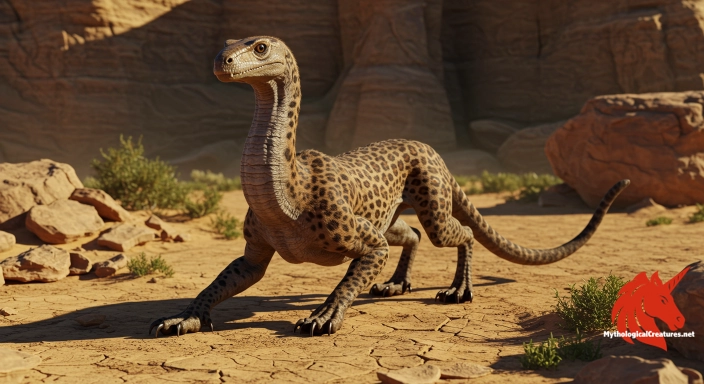
Dare to Meet the Serpopard....
Curated by the Mythological Creatures Team
Series editor: Mythological Creatures Directory
Primary desk: Hellenic & Ancient Mediterranean Desk
(rev. November 2025)