
Dactyls: The Dactyls are an archaic race of mythological male beings in Greek mythology, known for their association with the Great Mother and their enigmatic origin from the earth.
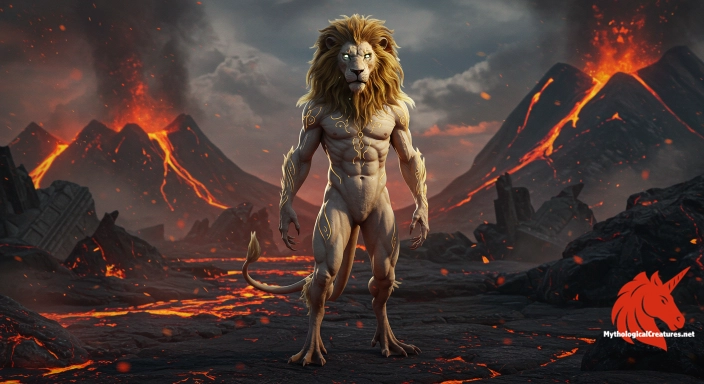
-493fba22-2087-460b-89d9-2ac38c578644_small.webp "Dactyls - They bridge the divine and mortal realms by introducing essential arts and knowledge, symbolising the sacred power of creation and healing.")
Dactyls
Dactyls - They bridge the divine and mortal realms by introducing essential arts and knowledge, symbolising the sacred power of creation and healing.
Origins & First Encounters
Dactyls are an enchanting and enigmatic race of primordial beings deeply entwined with the forces of nature and the divine. Their mythic origins are rooted in ancient Greek tradition, where they were closely associated with the Great Mother, be it in the form of Cybele or Rhea, who symbolised both fertility and the earth's mysterious generative power. The very name, derived from the term for ‘fingers’, hints at an origin story steeped in symbolism and the tactile creativity of the natural world. They are often depicted as a group of spirit-men whose numbers fluctuate between three, ten, or even thirty-three, each variant underscoring different facets of their mythological role. Historically, they have been revered both as masterful smiths and as healing magicians, credited with bestowing upon humanity the arts of metalworking, mathematics, and even the alphabet. Some legends even position them in the service of Hephaestus, the divine smith, which further enhances their association with transformative craft. Their early attestations evoke mysterious landscapes such as the Idaean and Psychro caves, imbuing their story with the tangible presence of mountains and the earth. The myth of their birth, involving a mortal woman whose labour intertwined with Gaia’s essence, perfectly encapsulates their role as intermediaries between the human and the divine. Dactyls continue to embody a blend of creative energies that link the raw elements of nature with the refined ingenuity of civilisation.
Source Texts & Tale Variants
Ancient narratives feature the Dactyls in a tapestry of texts and oral accounts that vary intriguingly in detail and emphasis. Some accounts recount their miraculous emergence from the earth itself, birthed in mysterious caverns such as the Idaean or Psychro caves, where the powerful forces of nature meet the sacred. A striking version of the myth describes a mortal woman, in the throes of labour, imprinting her fingers upon the earth, thus summoning these elemental beings. Traditional texts often intertwine their story with those of the Korybantes and the Cabeiri, suggesting a shared purpose in the domains of craft and mystical healing. Early mythographers noted their significant role as teachers and custodians of technological and mystical knowledge, a narrative thread that runs through many disparate sources. Variations across different records sometimes celebrate them as a tightly knit group of ten spirit-men, while other traditions amplify their numbers dramatically, pointing to a deeper symbolic significance. The Dactyls are frequently associated with divine artisanship and the transmission of specialised skills to humanity, acting as bridges between the mundane and the magical. Numerous fragments of poetry and myth have preserved these narratives across generations, each re-telling adding layers to their storied character. In this way, the legends of the Dactyls have been lovingly passed down as treasured relics of antiquity.
Form & Powers
The Dactyls are often envisioned as possessing a unique amalgamation of robust physicality and an ethereal, otherworldly grace. Their figures are typically rendered as strong and virile, with a commanding presence that reflects the timeless nature of their legend. Emblematic of their name, their fingers are portrayed as remarkably dexterous, capable of both delicate healing touch and the hammering force of a master smith. Many artistic depictions highlight an earthy complexion, as if their skin were subtly etched by the very elements of nature from which they sprang. Their expressive eyes are said to shimmer with an inner fire, bearing witness to secret knowledge of both the physical and mystical realms. Flowing, wild hair—sometimes reminiscent of molten metal or lush natural fibres—further accentuates their link with the primordial forces of creation. Their attire is generally simple yet purposeful, evoking images of artisans steeped in the elemental traditions of Earth and fire. In some regional depictions, their bodily forms merge gracefully with symbols drawn from nature, suggesting that they are as much a part of the landscape as the mountains and caves they haunt. This diverse range in physical portrayals underscores their role as shape-shifters, embodying both the tangible strength of an ancient craftsman and the elusive magic of natural phenomena.
Regional Faces
The myth of the Dactyls resonates with a distinct regional flavour, reflecting the diverse landscapes and cultural contexts within which their story has evolved. Deeply anchored in the Greek tradition, they are most famously linked with Crete, where sacred sites like the Idaean and Psychro caves weave nature and myth into a single tapestry. In these local contexts, they emerge as earth-born beings whose identity is inseparably tied to the rugged terrain and spiritual intensity of their surroundings. Variations in the legend illustrate how these beings have been adapted to suit local religious practices, sometimes appearing as invisible guardians of sacred oaths or as subtle forces within fertility rites. In different parts of the Greek world, their number and characteristics shift, making them interchangeable with the Korybantes or the Cabeiri in regional lore. This fluidity highlights how local communities have embraced the Dactyls as symbols of natural bounty and transformative power. In some regional narratives, they are portrayed with an emphasis on healing and agriculture, while in others, their image reinforces their role as profound artisan deities. Such regional adaptations not only enrich their mythic persona but also underscore the timeless intersection between nature, craft, and community belief systems.
Cultural Parallels
A comparative exploration of mythological traditions reveals that the Dactyls share compelling similarities with numerous artisan and elemental figures across different cultures. For instance, their role as ancient smiths finds a resonant echo in the Greek Cyclopes, who are similarly celebrated as master craftsmen under the aegis of Hephaestus. Norse mythology also presents comparable figures in the form of dwarfs renowned for their exceptional skill in forging legendary weapons and treasures. Across the Mediterranean, the Cabeiri and Korybantes parallel the Dactyls through their intertwined associations with mystical rites, healing arts, and the secret knowledge of early civilisation. Even in non-Indo-European traditions, one finds analogous figures who embody the creative force of nature, underscoring a universal narrative about the origins of craftsmanship and sacred lore. This cross-cultural comparison highlights how different peoples have used elemental beings to symbolise the union between the physical and the spiritual. In literary and artistic traditions, many cultures have borrowed or adapted these archetypal images, thereby preserving a shared heritage of myth-making. Such comparative analysis enriches our understanding of the Dactyls, casting them as part of a broader and enduring human fascination with the intersection of nature, craft, and magic. Their enduring image continues to inspire discussions about the primordial sources of human ingenuity and creative expression.
Legacy & Modern Evolution
The legacy of the Dactyls is a testament to their enduring allure as symbols of ancient creativity and mystical craftsmanship. Over the centuries, they have emerged from the shadows of obscure myth to become iconic figures embodied in the art, literature, and philosophy of successive generations. Renaissance artists and writers rekindled their image, celebrating the Dactyls as archetypal embodiments of the transformative power of nature and the human spirit. In contemporary culture, they have been reimagined in modern fantasy literature and role-playing games as enigmatic, wise artisans holding the secrets of both magic and metallurgy. Their multifaceted nature—capable of both healing and forging—continues to resonate with modern audiences as a metaphor for innovation and regeneration. The fluctuating numbers attributed to them, whether three, ten, or thirty-three, add a layer of symbolic mystery that intrigues scholars and enthusiasts alike. Modern reinterpretations often focus on their role as the custodians of an ancient wisdom that bridges the realms of nature and technology. Their enduring myth is further celebrated in cultural rituals, where the act of pressing one’s hand to the earth still serves as a potent reminder of a primordial covenant between humanity and the natural world. Thus, the Dactyls maintain their status as timeless icons of the creative force—a bridge between the ancient past and contemporary quests for knowledge and expression.
Interesting Fact
An intriguing aspect of the Dactyls is their eponymous connection to the act of using one's fingers, reflected in both their name and the ancient Greek custom of pressing hands to the earth during sacred oaths.
For authors, artists, and makers
Created something from the realm of myth?
If your book, deck, game, or artwork draws from legendary creatures and lore, you can showcase it here in a tasteful, year-round placement.
Share your projectQuick Creature Info
Origin:
Features:
Associations:
Our Mythic Legendary Rating:

Also Sometimes Known As:
Habitat:
Supernatural Powers:
Physical Attributes:
Abilities:
Behavior:
Lore:
References
Discover Another Mythical Legend You May Not Have Heard Of?
Uncover the mysteries of ancient folklore and expand your knowledge of legendary beings from cultures around the world.
Dare to Meet the Ipos....
Curated by the Mythological Creatures Team
Series editor: Mythological Creatures Directory
Primary desk: Hellenic & Ancient Mediterranean Desk
(rev. November 2025)