
Chesma iyesi: Chesma iyesi is a water-dwelling, shape-shifting spirit from Turkic mythology known for luring unwary youths to their doom in wells and fountains.

Chesma iyesi
Chesma iyesi - Serves as a cautionary figure warning of the dangers lurking within water sources.
the legend in five swipes.
the legend in five swipes.
Chesma iyesi: How the Story Began
Chesma iyesi is a captivating figure from Turkic mythology, renowned for her enigmatic presence in the realm of water. She is traditionally associated with wells, fountains, and other bodies of water, where her mysterious essence haunts those who approach. Emerging from ancient oral traditions, her myth can be traced back to early Turkic cultures and reflects the deep reverence for nature's unpredictable force. Her multiple appellations, such as Çeşme İyesi, Bulak İyesi, and Pınar İyesi, hint at a complex character that has been interpreted in diverse ways across regions. The spirit’s intriguing duality is evident in her portrayal as both alluring and perilous, echoing the intrinsic dangers of untamed water. Although sometimes depicted as a benign caretaker, her jealous nature and seductive allure render her a formidable entity in the mythical landscape. The lore surrounding her is woven into the fabric of local legends, serving as both a cautionary tale and an emblem of nature’s capricious beauty. Over time, her story has evolved, reflecting shifting cultural values and the persistent human fascination with the supernatural elements of the natural world.
Chesma iyesi: From Oral Tale to Written Record
Ancient texts and oral traditions have preserved the narrative of Chesma iyesi in a remarkably diverse manner. Various folklore collections recount her tale with subtle differences that highlight her shape-shifting abilities and inherent dualism. Some accounts describe her as a dangerous spirit whose allure leads unwary youths to their watery demise. In other variants, she emerges in multiple forms including that of a human, a fish, or even a fairy, each version accentuating different facets of her character. Regional storytellers have passed down these narratives through generations, ensuring that her legend remains vivid and mutable. While some sources emphasise her ferocity and capacity for jealousy, others reveal aspects of benevolence tied to the well-sustaining powers of water. Manuscripts and folklore anthologies frequently contrast her character with that of the more protective Kuyu İyesi, adding layers to her multifaceted identity. The wide array of primary sources not only enriches her myth but also underscores the enduring significance of water spirits in Turkic cultural heritage.
What does Chesma iyesi look like?
Chesma iyesi is most commonly portrayed as an extraordinarily beautiful woman imbued with an otherworldly grace. Her appearance is accentuated by an unmistakable aquatic quality, with her clothing often marked by a perpetually wet hem that hints at her watery abode. In many depictions, she possesses the tail of a fish, which shimmers with delicate iridescence under diffused light. Despite her usual human-like form, subtle attributes reminiscent of her feline origins sometimes appear in her movements and expressions. Her eyes, often described as deep and reflective, suggest a connection to the mysterious depths from which she emerges. The dual imagery of her form—merging the softness of a feminine visage with elements of a predatory cat and a graceful aquatic creature—offers a rich visual narrative. Artistic renditions variably capture her shape-shifting nature, portraying transitions from a sleek feline figure to a mesmerizing water nymph. Variations in her size and posture across different artworks speak to the dynamic and mutable quality that defines her myth. Each portrayal, rich in symbolic detail, invites observers to contemplate the delicate interplay between beauty, danger, and the transformative power of water.
Which regions tell stories of Chesma iyesi?
Local traditions across Turkic regions have shaped diverse portrayals of Chesma iyesi, reflecting distinct cultural and environmental influences. In parts of Anatolia, she is remembered as a spectral guardian of ancient wells, where her presence is intertwined with local water rituals. In Central Asian narratives, the spirit often emerges as a more ambiguous figure, whose seductive charm masks an underlying threat. Some regional tales provide a softer portrayal, casting her as a protector of water sources in times of drought. Conversely, other local accounts emphasise her wrath and jealousy, warning of the dire consequences of drawing too near her domain. These variations underscore an evolving relationship between communities and the natural elements they depend upon. Local lore sometimes distinguishes between the capricious Chesma iyesi and the more benevolent Kuyu İyesi, highlighting a nuanced view of water deities. The interplay between danger and protection in these stories reflects the complex realities of living in harmony with nature. As different regions adapted her myth to suit their specific ecological contexts, the spirit’s narrative became a mosaic of interpretations. This regional diversity not only enriches her character but also reinforces the idea that nature’s mysteries are as varied as the landscapes they inhabit.
Legends Comparable to That of Chesma iyesi
Chesma iyesi occupies a unique niche in the pantheon of water spirits, inviting comparisons with figures from other global mythologies. Her seductive beauty and perilous allure are reminiscent of the sirens of Greek lore, who lured seafarers to their doom with their enchanting songs. Like many European naiads, she personifies the life-giving yet unpredictable essence of water, oscillating between benevolence and malevolence. Similar to Slavic water spirits and mermaids, her shape-shifting nature adds an element of mystery that resonates with universal human fears of the unknown. Her ability to transform—from a cat-like figure to a fully human form adorned with aquatic features—shows parallels with other transformative myths that celebrate nature’s mutable power. This cross-cultural phenomenon highlights a common human tendency to attribute both beauty and danger to bodies of water. The figure of Chesma iyesi, therefore, serves as a bridge between different mythological traditions, linking Turkic beliefs with wider ancient narratives about water deities. The shared imagery and recurring themes across cultures underscore a collective wisdom about the dualities of nature. Integrating elements found in various folklore, her myth reflects a universal symbol of the capricious interplay between life, allure, and mortality. Such comparative analysis reinforces the idea that water, in all its forms, has long been a source of both sustenance and peril across civilizations.
What does Chesma iyesi mean to people today?
The evolution of Chesma iyesi from ancient myth to modern symbolism is a testament to the enduring power of folklore. In early traditions, she was predominantly a cautionary figure whose allure portended imminent danger near wells and fountains. Over time, as cultural narratives evolved, so too did her image, embracing a more complex persona that balances seduction with an element of tragic beauty. Modern reinterpretations often emphasise her role as an emblem of nature’s dual capacity to nurture and destroy. Contemporary artists and storytellers frequently reimagine her tale, drawing on themes of environmental fragility and the mystique of the natural world. This shift reflects broader societal changes, as modern audiences come to appreciate the nuanced symbolism embedded in her story. Her presence in literature, art, and even local festivals continues to inspire discussions about the human relationship with nature. The enduring appeal of Chesma iyesi lies in her capacity to embody the contradictions inherent in natural forces. As reinterpretations build upon traditional motifs, her myth remains a fertile ground for exploring the intersections of beauty, danger, and transformation. Today, she stands as a reminder of the rich tapestry of folklore that continues to influence cultural identity and artistic expression.
Interesting Fact
An intriguing aspect of Chesma iyesi is her composite form, which intricately weaves together feline, human, and aquatic elements, highlighting the rich and multifaceted nature of Turkic mythological spirits.
Mythological Treasures
Norse Sagas: A field guide to the beasts of the Viking world
Drawn from the saga accounts themselves, with the powers, weaknesses and doom of each being set out.
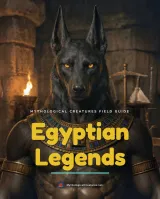
Egyptian Legends: A field guide to the gods and monsters of ancient Egypt
Guardians of the living and devourers of the dead, with the role each played in judgement.
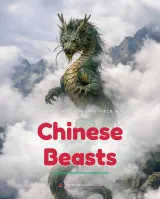
Chinese Beasts: A field guide to the dragons and demon kings of Chinese myth
From river dragons to demon kings, with the legends that shaped five thousand years of storytelling.
the legend in five swipes.
For serious myth projects
Feature your work alongside the legends
From academic works to story-rich games, we highlight projects that respect world mythologies. Talk to us about a measured, long-term placement.
Start a conversationQuick Creature Info
Origin:
Features:
Associations:
Our Mythic Legendary Rating:

Also Sometimes Known As:
Habitat:
Supernatural Powers:
Physical Attributes:
Abilities:
Behavior:
Lore:
References
Discover Another Mythical Legend You May Not Have Heard Of?
Uncover the mysteries of ancient folklore and expand your knowledge of legendary beings from cultures around the world.
Dare to Meet the Bardha....

The Mythological Creatures Book Series
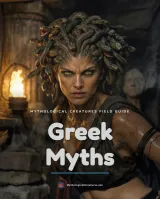
Yokai, Greek, Norse, Egyptian & Chinese. Five illustrated field guides to the creatures the old stories either warned or told you about.


Curated by the Mythological Creatures Team
Series editor: Mythological Creatures Directory
Primary desk: Asian & Pacific Myth Cycles Desk
(rev. November 2025)