
Coco: The Coco is a mythical ghost-like monster from Iberian folklore known for abducting disobedient children at night.
-4e38ce35-a0a9-497c-95e8-c2c31cde0e78_small.webp "Coco - Serves as a cautionary tale that encapsulates irrational fears and reinforces social discipline through myth")
Coco
Coco - Serves as a cautionary tale that encapsulates irrational fears and reinforces social discipline through myth
the legend in five swipes.
the legend in five swipes.
When did people first speak of the Coco?
The Coco, a mysterious and ghostly entity, has been woven into the cultural fabric of both Spain and Portugal for centuries. Its origins lie deep in the traditions of the Iberian Peninsula, where it emerged as a spectral figure meant to reinforce social norms among children. This enigmatic being first gained attestation through oral lore and later through regional tales passed down within families. Over time, the creature has acquired many names—Coco, Coca, Cucuy, Cuco, Cuca, Cucu, and even El-Cucuí—each reflecting subtle local nuances. It is primarily remembered as a figure who visits disobedient children at night, instilling both fear and discipline. The lore surrounding the Coco served as a cautionary tool, embedding moral lessons within a veil of mystery. As it journeyed beyond Spain and Portugal, this myth became entwined in the folklore of numerous Hispanophone and Lusophone communities. Its enduring presence in cultural narratives highlights a timeless connection between myth and social order. Today, the Coco remains an emblematic figure whose spectral presence challenges the boundaries of fear, tradition, and parental guidance.
What sources tell us about the Coco?
For centuries, narratives about the Coco have been preserved through a rich blend of written records, oral traditions, and regional folklore. Early attestations appear in fragmented medieval manuscripts alongside the spoken legends passed within families. These sources capture a creature that lurks in the penumbra of night, primarily aimed at cautioning children against misbehaviour. Variants in the stories suggest differing roles and characteristics, with some accounts portraying a male entity named Coco while others invoke the feminine Cuca as its counterpart. Regional folk tales and bedtime narratives contribute a vibrant array of versions, each adding unique details and moral undertones. In some retellings, the creature’s actions are described in vivid detail, including its silent arrival at dark doorways and its eerie methods of selection. The multiplicity of sources across generations underscores the legend’s adaptability and its deep-rooted place in communal memory. Some narratives even blend this folklore with local customs, further enriching the myth’s texture. This complex web of stories illustrates how the Coco has been sculpted by various voices over time, each ensuring its role as a guardian of societal discipline. In essence, the diverse story variants collectively preserve the core essence of the myth while allowing room for continual reinterpretation.
What did the Coco look like?
The physical appearance of the Coco is shrouded in ambiguity and deliberate vagueness, reflecting its role as an embodiment of fear. Many depictions emphasise its ghost-like nature, characterised by a murky silhouette that dissolves into the surrounding darkness. Some accounts suggest that the creature possesses elongated limbs and shadowy eyes that seem to pierce through the gloom of night. There are descriptions that evoke a sense of a formless, spectral mist, occasionally manifesting as a tattered cloak or shifting tendrils. Its anatomy remains fluid, purposefully avoiding a fixed form so that it can adapt to the imaginations and fears of different storytellers. This mutable nature allows the creature to oscillate between a menacing giant and an indistinct, almost illusionary presence. The interplay of light and shadow in its depictions further amplifies its eerie mystique, leaving just enough detail to invoke a sense of dread. Such vagueness is instrumental in making the Coco an effective tool for evoking childhood fears. Overall, the creature's physical form is as elusive as the notion of fear itself, designed to remain undefined and ever-changing.
Coco Across Different Regions
Across the Iberian Peninsula and throughout various Hispanophone and Lusophone regions, the myth of the Coco is embraced with an array of local interpretations. In some areas, the creature is known strictly as Coco, while in others it takes on names such as Cucuy, Cuca, or even El-Cucuí, each variant revealing unique cultural inflections. Local storytellers often adapt the creature to align with regional social norms and superstitions, giving it a flavour that resonates with the community’s values. In Latin America, the legend sometimes intertwines with indigenous mythologies, fusing pre-Columbian elements with the Iberian tradition. Certain communities portray the Coco as a spectral enforcer of childhood discipline while others imbue it with roles as a guardian of ancient rituals. The gender of the creature is another aspect that varies regionally, with some tales specifying a male entity, and alternate narratives presenting a female version. Folk practices and local customs have further shaped these stories, sometimes incorporating memorable rituals to ward off or appease the creature. Urban legends may also blend elements of modern urban life with the age-old tradition, reflecting contemporary societal concerns. The result is a diverse and regionally vibrant tapestry of tales, each echoing the universal sentiment of caution while celebrating local cultural identity. These regional variations showcase the adaptability of the myth, ensuring that the Coco remains a relevant and dynamic symbol across generations.
Coco: Cross-Cultural Comparisons
The figure of the Coco shares striking parallels with other mythological entities designed to instil caution and regulate behaviour. Its ghost-like and shapeshifting characteristics are reminiscent of the bogeyman found in various Western traditions, serving a similar purpose in disciplining the young. In many cultures, the very notion of a mysterious, nocturnal figure has been employed as a tool to enforce moral conduct, a theme that echoes in the tales of the Coco. This creature finds cultural kinship with figures such as the Italian mostro and even certain facets of Slavic folklore, where the menace of unseen forces is a recurring motif. Its narrative function—scaring children into obedience—aligns it with other classic cautionary figures from diverse traditions across Europe and the Americas. The similarities extend to its ambiguous physical form, with many of these myths portraying the creature as both an embodiment of abstract fear and a tangible threat in the dark. These cultural parallels underscore the universal human inclination to use myth as a means of conveying societal values and parental warnings. Comparative mythology reveals that while the details may differ, the core idea of a spectral enforcer is present in many folklore traditions. The cross-cultural connections highlight a shared legacy, where folklore acts as a conduit for collective anxieties about disobedience and the unknown. Through these interwoven narratives, the Coco takes on a life that transcends borders, linking disparate cultural landscapes with a common thread of cautionary lore.
Where do you see the Coco today?
Over the centuries, the depiction of the Coco has evolved from a simple cautionary tale into a multifaceted symbol of cultural identity and enduring myth. Originally conceived as a spectral being meant to enforce discipline among children, the creature's image has gradually absorbed layers of complexity and reinterpretation. Once a strictly oral tradition used to terrify youngsters, its narrative now finds expression in a variety of literary, cinematic, and artistic forms. Modern retellings often present the Coco as a mysterious figure that straddles the world between horror and fantasy, sometimes even invoking sympathy for its misunderstood nature. Contemporary art and digital media have breathed new life into the legend, introducing innovative visual and narrative twists that appeal to both old and new audiences. The creature's evolution reflects broader shifts in societal attitudes toward childhood, authority, and the supernatural. Cultural festivals and local theatrical adaptations continue to celebrate the myth, often blending traditional elements with modern commentary. This enduring presence in popular culture underscores the timeless nature of folklore as a mirror to collective fears and societal norms. The ongoing reinterpretation of the Coco is a testament to its ability to adapt and remain pertinent in a rapidly changing world. Ultimately, the modern legacy of this enigmatic creature reinforces its role as a powerful symbol bridging ancient myth with contemporary creative expression.
Interesting Fact
The existence of both male (Cucuy) and female (Cuca) variants of the Coco underscores the rich, flexible interpretations of this mythological figure across different cultures.
Mythological Treasures
Norse Sagas: A field guide to the beasts of the Viking world
Drawn from the saga accounts themselves, with the powers, weaknesses and doom of each being set out.
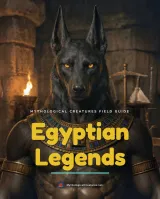
Egyptian Legends: A field guide to the gods and monsters of ancient Egypt
Guardians of the living and devourers of the dead, with the role each played in judgement.
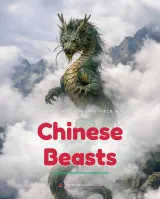
Chinese Beasts: A field guide to the dragons and demon kings of Chinese myth
From river dragons to demon kings, with the legends that shaped five thousand years of storytelling.
the legend in five swipes.
For publishers and studios
Your next readers are already here
Many of our visitors are looking for books, campaigns, and resources that deepen their journey into myth. Position your title or setting here.
Discuss a placementQuick Creature Info
Features:
Associations:
Our Mythic Legendary Rating:

Also Sometimes Known As:
Habitat:
Supernatural Powers:
Physical Attributes:
Abilities:
Behavior:
Weaknesses:
Lore:
References
Discover Another Mythical Legend You May Not Have Heard Of?
Uncover the mysteries of ancient folklore and expand your knowledge of legendary beings from cultures around the world.
Dare to Meet the Simargl....
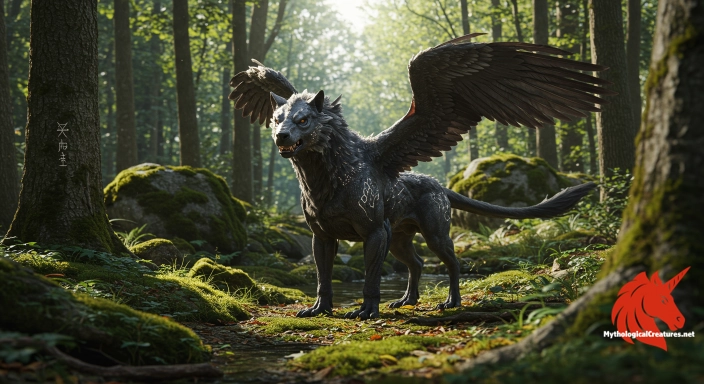
The Mythological Creatures Book Series
Yokai, Greek, Norse, Egyptian & Chinese. Five illustrated field guides to the creatures the old stories either warned or told you about.
Curated by the Mythological Creatures Team
Series editor: Mythological Creatures Directory
Primary desk: Hellenic & Ancient Mediterranean Desk
(rev. November 2025)