
Electra: Electra is a revered figure in Greek mythology, known as one of the seven Pleiades and a daughter of Atlas and Pleione.
-1b0623e8-82f0-4113-a6d5-ab1ee1f02e3a_small.webp "Electra - Electra's transformation into a star and her connection with the Palladium underscore her important role bridging the mortal and divine, as well as the celestial and terrestrial realms.")
Electra
Electra - Electra's transformation into a star and her connection with the Palladium underscore her important role bridging the mortal and divine, as well as the celestial and terrestrial realms.
the legend in five swipes.
the legend in five swipes.
How did Electra enter folklore?
The figure of Electra emerges from the storied tapestry of Greek mythology as one of the illustrious Pleiades, whose lineage traces back to the Titan Atlas and the sea-nymph Pleione. Her very name, derived from the Greek word for amber, evokes a sense of luminous beauty and ancient allure. Born into a constellation of myth and wonder, she is celebrated not only for her celestial heritage but also for her earthly connections, having borne sons through her union with Zeus. Her life on the island of Samothrace provided a unique backdrop to a narrative interwoven with both divine intervention and human strife. Amid the turbulent legends surrounding Troy, Electra is closely linked with the Palladium, a sacred statue that came to symbolise the safety and destiny of a great city. The interplay between her mortal experiences and her eventual transformation into a celestial body underscores the Greek endeavour to reconcile the earthly with the divine. Her tale is steeped in themes of sorrow and transcendence, as she ultimately becomes part of the night sky, embodying the eternal cycle of renewal and loss. In myth, she stands as a poignant reminder of how beauty and grief can coexist, informing both art and astronomy. Her story also reflects a deep cultural engagement with the mysteries of the cosmos and the profound power of mythic narrative. By inhabiting both the terrestrial and the celestial realms, Electra continues to captivate the imagination, bridging the gap between ancient lore and timeless wonder.
How did the story of Electra change over time?
The ancient narratives surrounding Electra have been preserved in a diverse array of literary fragments, poetic compositions, and genealogical chronicles. Multiple variant accounts exist that detail her life and her eventual transformation, showcasing a rich tapestry of mythic tradition and historical reinterpretation. Classical poets often alluded to her connection with the sacred Palladium, linking her indirectly to the fate of Troy through symbolic resonance. Other texts emphasise her role among the Pleiades, highlighting her unique celestial destiny and the sorrow that led her to hide her luminous gaze. Some versions depict her transformation as an act of grief, while alternative accounts suggest she was compelled by divine will to become a comet or a star. Diverse sources from the Hellenistic period and later Byzantine manuscripts have enriched her myth, offering complementary narratives that explore both her mortal passions and immortal fate. Fragmentary scholia and commentaries also provide insight into her character and her local worship, imbuing her story with layers of meaning. The multiplicity of sources ensures that her myth remains an open book, inviting continued exploration and reinterpretation by successive generations.
How would you recognise Electra?
While the ancient texts leave much about Electra’s physical form to the imagination, artistic traditions have offered evocative portrayals that blend ethereal beauty with cosmic mystery. She is frequently depicted as possessing a delicate yet resolute countenance, with features that echo the warm, translucent glow of amber. Classical representations often show her with flowing hair that seems to capture the shifting light of dawn and dusk, symbolising her connection to both day and night. Her eyes, described in poetic evocations as deep and luminous, hint at the sorrowful solitude that marked her escape from witnessing Troy’s calamity. Elegant and graceful, her figure is rendered with soft, yet striking, contours that typify the idealised beauty of divine mortals. Some portrayals even capture a subtle celestial radiance around her form, suggesting her imminent transformation into a star. Across sculptures and vases, the motif of gentle, natural curves is employed to illustrate her harmonious balance between mortal fragility and divine grandeur. The ambiguity in her depiction underscores the enigmatic quality of her character, one that transcends human form to touch upon the sublime. In many later artistic interpretations, her visage is imbued with an almost mournful elegance, reflecting the duality of life and starlight.
Electra: One Legend, Many Local Versions
Regional traditions have shaped and diversified the myth of Electra, allowing her narrative to be adjusted to local cultural and geographical contexts. On the island of Samothrace, where her life was set against a backdrop of rugged beauty and ancient mystery, local lore often emphasised her protective qualities alongside her celestial destiny. In parts of mainland Greece, her story gained a moral dimension, illustrating themes of sorrow, avoidance, and the weight of witnessing catastrophe. Eastern and Southern Mediterranean retellings have infused her narrative with aspects of ritual and symbolic worship, occasionally linking her with fertility rites and cosmic cycles. Variations in her myth have led some communities to portray her as a guardian spirit who watches silently over the sea and the lands. The motif of transformation, whether as a hidden star or a wandering comet, is interpreted differently depending on local astronomical and religious traditions. In Anatolian adaptations, her grief and retreat into the heavens are seen as a poignant metaphor for the volatility of fortune and the caprice of fate. Through these regional lenses, Electra is imbued with a versatility that makes her both a local heroine and a universal symbol, resonating with deeply embedded cultural narratives about loss and consolation. Her myth has been reworked by local poets and artists, ensuring that her story speaks with the voice of many peoples across the ancient world.
Which myths echo the story of Electra?
The myth of Electra invites intriguing comparisons with other celestial figures from worldwide traditions, underscoring a shared cultural fascination with the transformation from mortal to immortal. Similar to the deification of various nymphs in Greek lore, her tale reflects the ancient motif where profound sorrow or intense passion leads to a metamorphosis into the heavens. Her narrative echoes the dual nature of mythic figures like Diana in Roman mythology, who embody both the beauty of nature and the potency of divine retribution. Elements of her story, such as the theme of abandoning the mortal realm due to overwhelming grief, find parallels in Eastern traditions where suffering often precedes ascension. Cross-cultural narratives, including those found in Native American starlore where siblings become stars, display a shared motif of family and cosmic unity. The protective symbolism associated with her is also reminiscent of other guardian deities whose presence is interwoven with both terrestrial and celestial significance. In the larger context of astronomical mythology, her concealed brilliance and hidden gaze can be seen as allegories for the mysteries of the night sky. This comparative framework enriches our understanding of how cultures universally interpret the interplay between loss, beauty, and transcendence. Such cross-cultural connections underscore the timeless and adaptable nature of myth, bridging disparate traditions through common symbols and natural phenomena.
Electra: Then and Now
Over the centuries, the legacy of Electra has evolved in step with changing perceptions of myth and the cosmos, remaining a resonant figure in both scholarly discourse and popular imagination. Early classical depictions laid a foundation that influenced not only the realm of art but also the way audiences perceived the interplay between human anguish and celestial grandeur. Renaissance artists and writers revisited her story, imbuing it with a melancholic beauty that captured the imagination of a society in search of deeper meaning. Her symbolic association with Troy and the Palladium has continued to fuel literary and artistic interpretations, often being used as a metaphor for the loss of a golden age. In more recent times, the allure of the Pleiades has led to renewed interest in her narrative within modern astronomy and popular culture, where celestial maps are interlaced with ancient myth. Contemporary adaptations in film, literature, and music have reimagined her as both a tragic witness and a transformative figure whose sorrow gives way to luminous rebirth. Exhibitions and academic festivals have celebrated her as a nexus between the scientific study of the stars and the timeless human quest for meaning. Today, the myth of Electra stands as a testament to the enduring power of ancient stories to inform, inspire, and connect across generations and disciplines, symbolising how mythology continues to evolve while echoing the past.
Interesting Fact
Electra’s myth uniquely intertwines human grief with celestial transformation, as her sorrow over Troy’s fate is immortalised in her becoming a star, reflecting the deep emotional currents of Greek mythology.
Mythological Treasures
Greek Myths: A field guide to the monsters of ancient Greece
Every monster here earned its place in legend, and each gets a full page of artwork and the story behind it.
Egyptian Legends: A field guide to the gods and monsters of ancient Egypt
Guardians of the living and devourers of the dead, with the role each played in judgement.
Chinese Beasts: A field guide to the dragons and demon kings of Chinese myth
From river dragons to demon kings, with the legends that shaped five thousand years of storytelling.
the legend in five swipes.
Reach myth fans
Connect your myth-driven brand with this audience
Our readers are writers, educators, gamers, and collectors who care about mythology. Enquire about a limited sponsor placement on creature pages.
Enquire about sponsorshipQuick Creature Info
Origin:
Associations:
Our Mythic Legendary Rating:

Habitat:
Supernatural Powers:
Physical Attributes:
Abilities:
Behavior:
Lore:
References
Discover Another Mythical Legend You May Not Have Heard Of?
Uncover the mysteries of ancient folklore and expand your knowledge of legendary beings from cultures around the world.
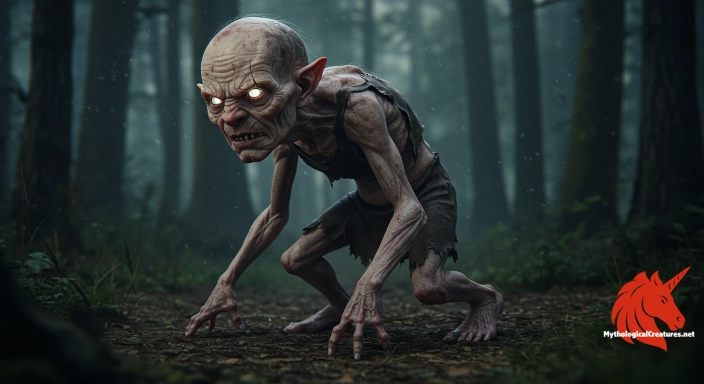
Dare to Meet the Zlydzens....
The Mythological Creatures Book Series
Yokai, Greek, Norse, Egyptian & Chinese. Five illustrated field guides to the creatures the old stories either warned or told you about.


Curated by the Mythological Creatures Team
Series editor: Mythological Creatures Directory
Primary desk: Hellenic & Ancient Mediterranean Desk
(rev. November 2025)