
Zlydzens: Zlydzens are small, hunchbacked creatures from Belarusian mythology known for their hazardous nature and domestic mischief.
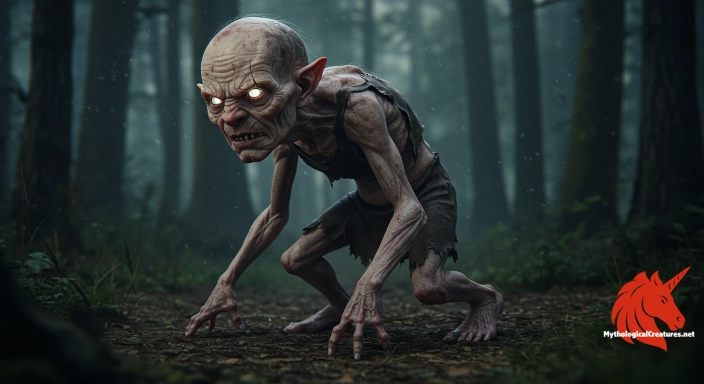
Zlydzens
Zlydzens - Symbolises cautionary tales and domestic hazards within Belarusian culture.
the legend in five swipes.
the legend in five swipes.
Zlydzens: How the Story Began
Emerging from the rich tapestry of Belarusian folklore, the Zlydzens are enigmatic beings known for their hazardous nature and distinctive hunchbacked form. Their origins lie in ancient oral traditions and local household superstitions, where they quickly gained notoriety among rural communities. Often regarded as gremlin-like figures, these creatures inhabit the hidden recesses of traditional homes, most notably beneath the masonry stove. Early attestations indicate that village storytellers first recounted their mischievous and sometimes dangerous antics. Over centuries, they have come to symbolise the unpredictable hazards that can lurk in everyday domestic life. Their myth is interwoven with cultural practices and the collective imagination of a people who viewed the natural and supernatural worlds as closely intertwined. Though occasionally portrayed with a hint of mischief, there remains an undeniable air of menace about them that captured the anxieties of earlier times. As legends evolved, the Zlydzens became a mirror to shifting societal norms and the ways in which communities managed the unknown. Today, their legacy continues to intrigue both scholars and enthusiasts alike, ensuring that their story remains as dynamic as the folklore from which it sprang.
Zlydzens: From Oral Tale to Written Record
The lore of the Zlydzens finds its roots in centuries of oral tradition and regional folklore that have been passed down through generations. Stories of these small, hunchbacked beings emerged in the hushed whispers of rural households and community gatherings. Despite the scarcity of extensive canonical texts, numerous variants of their tale have been preserved in local ballads and traditional recitations. Some narratives portray them as playful tricksters, while other accounts warn of the peril they can bring to an unwary household. Early manuscripts and folkloric sketches allude to their peculiar habit of residing under the masonry stove, a detail that has helped preserve their identity over time. Their story, though not comprehensively documented in written form, has been enriched by the diverse interpretations of storytellers and folk artists. Each region’s recounting adds layers of nuance, blending elements of caution with a dose of dark humour. Over time, the retellings have intermingled with other domestic legends, creating a multifaceted mythology that reflects the dynamism of local beliefs. The enduring vitality of these variants confirms the role of the Zlydzens as both cautionary and culturally enduring figures in Belarusian myth.
What do the Zlydzens look like?
Characteristically small in stature, the Zlydzens are depicted with a distinctively pronounced hunchback that marks them as otherworldly. Their physical presence is fashioned from a blend of grotesque and whimsical traits, embodying an uncanny mixture of menace and mischief. Descriptions often highlight weathered, rough skin that appears to mirror the textures of the stone and mortar of their hidden abodes. Their faces, usually drawn in a cunning and suspicious expression, feature sharp eyes that seem to glint with secret knowledge. Traditional portrayals suggest that their attire is tattered and patched, reflecting countless years spent in the shadows of domesticity. The hunchback itself is a trademark feature, emphasising their deformed and ambiguous nature while also varying in its extent from one account to another. Some narratives mention elongated limbs and warped proportions, further enhancing the eerie quality that surrounds them. Despite the fear they instil, there is an element of rustic charm in the way these figures have been depicted, a duality that captivates audiences. The variability in their physical depiction has allowed artists and storytellers to continually refine their image, ensuring that every retelling remains fresh and visually compelling.
Which regions tell stories of the Zlydzens?
Within Belarus, the Zlydzens are predominantly portrayed as elusive inhabitants of the domestic sphere, especially in close association with the masonry stove. Their myth has not remained static, however, as neighbouring Eastern European traditions have adapted the creature to reflect local cultural peculiarities. In some adjacent regions, similar beings are recast with a more playful persona, engaging in harmless pranks rather than overt malevolence. Other local traditions emphasise their hazardous nature, warning that inciting the creature’s ire could bring misfortune upon the household. These regional adaptations are often marked by subtle differences in appearance and behaviour, reflecting the unique societal and environmental conditions of each locale. In certain Eastern European narratives, the Zlydzens have overlapped with indigenous house spirits or deities, resulting in a fascinating hybridisation of myth. Such cross-regional exchanges have allowed local folklore to continuously reframe the tale in accordance with contemporary social values. The consistent motif of a hidden domestic presence underlines the deep-seated cultural significance of these beings. Ultimately, the evolution of their portrayal across regions underscores the dynamic interplay between local traditions and the broader heritage of Slavic mythology.
Zlydzens: Similar Beings in World Folklore
The Zlydzens share intriguing similarities with household spirits from other cultural traditions, resonating with themes found in Western and Eastern folklore. Much like the gremlins of Western lore, these beings capture the imagination as agents of unexpected misfortune and disruption. They are often compared to the Russian domovoi, albeit with a more hazardous and unpredictable disposition that sets them apart. In Scandinavia, similar small and elusive tricksters are also spoken of, though the Zlydzens remain distinct in their hunchbacked form and domestic association. Such cultural parallels highlight a universal human preoccupation with the unseen forces that inhabit the everyday world. While the domovoi tend to be protectors of the home, the Zlydzens occupy a more ambiguous space, at times teetering between benign mischief and outright peril. This comparative analysis accentuates the diversity and regional specificity in the portrayal of household spirits. The recurring motifs of concealed dwellings and capricious temperaments forge a link between the Zlydzens and similar mythological figures across Europe. In blending these themes, the Zlydzens ultimately offer both a unique reflection of Belarusian cultural identity and a broader commentary on the mysteries of domestic life.
Where do the Zlydzens appear in films and games?
Over time, the portrayal of the Zlydzens has undergone significant transformation, reflecting shifts in cultural perceptions and societal norms. Originally feared as dangerous entities and warnings against domestic neglect, they were once invoked to explain the inexplicable misfortunes that befell households. With changing times, their image has become more nuanced, at times even adopting an air of playful mischief that belies their earlier ominous reputation. Modern interpretations have reimagined them as characters of both caution and comic relief, merging ancient fears with contemporary sensibilities. In literature, art, and even digital media, the Zlydzens have been rediscovered as figures that encapsulate the tension between the mundane and the mysterious. Their symbolic evolution mirrors broader trends in mythology, where traditional superstitions are reinterpreted through the lens of modern creativity. This journey from feared menace to quirky cultural icon highlights the adaptive resilience of folklore. Contemporary narratives often celebrate their enigmatic nature and offer fresh perspectives on their role within modern domestic spaces. The enduring legacy of the Zlydzens underscores the power of myth to evolve, continually reasserting itself in the collective imagination of each new generation.
Interesting Fact
The unique association of Zlydzens with the masonry stove highlights the integration of everyday household elements into the fabric of myth and folklore.
Mythological Treasures
Japanese Yokai: A field guide to the spirits and demons of Japanese folklore
Fifteen spirits, with the signs to watch for and what the old tales say to do if you meet one.
Greek Myths: A field guide to the monsters of ancient Greece
Every monster here earned its place in legend, and each gets a full page of artwork and the story behind it.
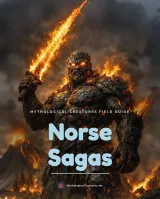
Norse Sagas: A field guide to the beasts of the Viking world
Drawn from the saga accounts themselves, with the powers, weaknesses and doom of each being set out.
the legend in five swipes.
Reach myth fans
Connect your myth-driven brand with this audience
Our readers are writers, educators, gamers, and collectors who care about mythology. Enquire about a limited sponsor placement on creature pages.
Enquire about sponsorshipQuick Creature Info
Features:
Our Mythic Legendary Rating:

Habitat:
Supernatural Powers:
Physical Attributes:
Behavior:
Lore:
References
Discover Another Mythical Legend You May Not Have Heard Of?
Uncover the mysteries of ancient folklore and expand your knowledge of legendary beings from cultures around the world.
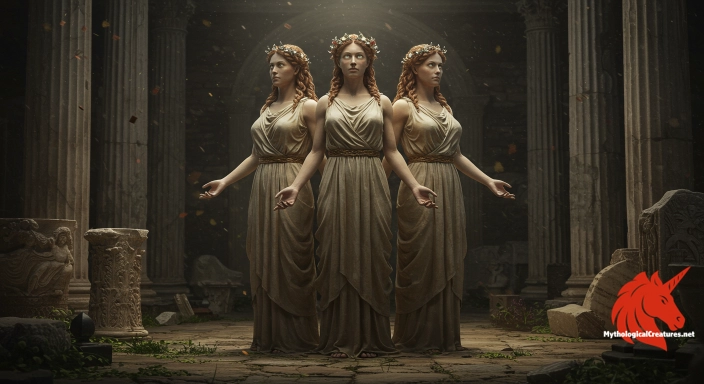
Dare to Meet the Matres and Matronae....
The Mythological Creatures Book Series
Yokai, Greek, Norse, Egyptian & Chinese. Five illustrated field guides to the creatures the old stories either warned or told you about.
Curated by the Mythological Creatures Team
Series editor: Mythological Creatures Directory
Primary desk: Northern & European Folklore Desk
(rev. November 2025)