
Enbarr: Enbarr, also known as Aonbharr, is a legendary horse from the Irish Mythological Cycle renowned for its extraordinary speed and dual ability to traverse land and sea.
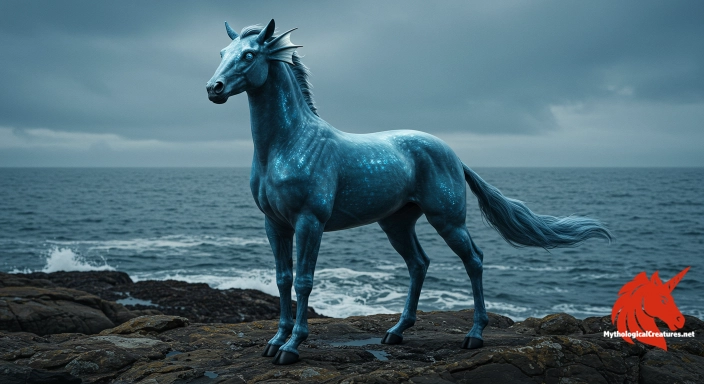
Enbarr
Enbarr - Enbarr is celebrated for symbolising the seamless connection between the mortal realm and the divine, facilitating swift travel across different domains.
Origins & First Encounters
The Enbarr, also known as Aonbharr Mhanannáin, occupies a celebrated position within the rich tapestry of Irish myth. Born from the mystical traditions of the ancient Celts, this legendary horse bridges the realms of land and sea with ease. Its origins are steeped in the divine narrative of Manannán mac Lir, the revered sea-god whose power lent an air of irresistibility to the steed. Early mythological texts and oral traditions portray Enbarr as more than just a beast of burden; it is a living emblem of the fluid boundary between the natural and the supernatural. The creature was first attested in narratives that intricately weave its existence with the exploits of heroic figures, especially Lugh Lamh-fada, thereby cementing its legacy. Its unique ability to traverse both rocky terrains and tumultuous waters captured the imagination of storytellers and audiences alike. The vivid portrayal of its speed and grace elevates Enbarr from a mere mount to a symbol of divine swiftness and freedom. Through centuries of transmission, its myth has come to represent the interplay between mortal endeavour and transcendental magic. The enduring appeal of Enbarr lies in its capacity to embody the eternal human fascination with the miraculous powers of nature. In Irish cultural memory, the steed continues to inspire awe as a potent reminder of the fusion between earthbound life and celestial wonder.
Source Texts & Tale Variants
The narrative of Enbarr is preserved in several ancient texts, with one of the primary sources being the tale Oidheadh Chloinne Tuireann. The story intricately details the interactions between noble heroes and divine entities, with Enbarr playing a pivotal role as a magical steed. Various manuscripts offer subtly different versions of the tale, each accentuating aspects such as the horse’s unmatched speed and its dual dominion over land and sea. Some variations of the myth elaborate on the complexities of Lugh Lamh-fada’s decision-making when it came to entrusting the creature. In one telling the reluctance to lend the steed to the sons of Tuireann stands in contrast to his willingness to offer an alternative supernatural vessel. This constellation of narratives reflects the fluid nature of oral tradition, where each retelling adapts the myth to the cultural and historical needs of its audience. The literary sources have been further enriched over time by regional storytellers who preserve the magical aura of Enbarr through performance and recitation. An amalgamation of these sources underscores the importance of the creature as more than a mere mode of transport, but as a living symbol of divine intervention. The multiple variants found in ancient lore serve to underline the adaptive strength of the myth across generations. Taken together, these sources offer a multifaceted insight into how Enbarr has been revered as a masterpiece of mythic artistry.
Form & Powers
Enbarr is often depicted as an exquisitely formed steed, possessing a gleaming coat that shimmers with hints of silver and moonlit brilliance. The horse's physique, both lean and powerful, speaks of a creature designed for unrivalled speed across diverse terrains. Its flowing mane, reminiscent of cascading waves, lends an ethereal quality to its appearance whether it races along a shoreline or dashes across a field. The creature’s elegant build is enhanced by muscular contours that suggest a life imbued with both grace and fortitude. Each artistic rendering of Enbarr captures a certain luminous vitality, as if the steed were alive with the very essence of the elements. Observers note that its deep, luminous eyes seem to carry the wisdom of ages past, reflecting an intimate connection with the mystical forces that shaped its destiny. The hooves, delicate yet resolute, appear as if they are forged from a substance that defies the ordinary bounds of nature. Subtle details in various depictions hint at an almost imperceptible glow that surrounds the creature during its rapid passage over land or sea. The physical portrayal of Enbarr thus conjures an image of a being who is both formidable and enchanting. This detailed representation cements the creature as a timeless icon, merging natural beauty with the allure of the supernatural.
Regional Faces
While the legend of Enbarr is firmly rooted in Irish mythology, its interpretation varies across different Celtic regions. In various parts of Ireland, local lore embellishes the traditional narrative, bestowing upon the steed distinctive traits that resonate with regional environmental and cultural values. Some local accounts describe Enbarr with a darker, more mysterious presence, reflecting the rugged coastal landscapes and ancient woodlands that inspire these narratives. In the Gaelic tradition, the creature is sometimes celebrated as an omen of change, symbolising the unpredictable power of both sea and land. As the myth travelled beyond Ireland, neighbouring Celtic communities in Scotland and Wales began to integrate versions of the tale into their own cultural fabric. These adaptations often highlight the steed’s versatility, emphasising its ability to navigate diverse natural realms with ease. The variations also include differences in its aesthetic portrayal, with some regions depicting the horse as possessing a more ethereal and translucent form. Such local adaptations serve to enrich the Enbarr myth, ensuring its relevance to the surrounding landscape and societal traditions. By incorporating regional elements, each rendition of the tale speaks to the unique identity of its community. In this way, the regional variations of Enbarr underscore the dynamic nature of myth as it evolves to honour both shared and distinct cultural experiences.
Cultural Parallels
The Enbarr shares a number of intriguing parallels with other legendary steeds from diverse mythological traditions. Much like the Norse Sleipnir, which was famed for its ability to traverse different realms, Enbarr defies ordinary limitations with its dual command over land and sea. The creature’s supernatural speed and fluid motion evoke comparisons with Pegasus of Greco-Roman lore, another emblematic horse that bridges the gap between mortal and divine. In both cases, these magical steeds serve not only as transport for heroic figures but also as symbols of transcendent power and inspiration. The myth of Enbarr also finds resonance with other tradition’s equine legends, each forging a link between the natural world and the divine. Such cross-cultural comparisons highlight an enduring archetype: the majestic horse that carries profound spiritual significance. The shared motifs of speed, grace, and a hint of the otherworldly create a common thread through these various narratives. These parallels contribute to a broader understanding of how societies symbolise the extraordinary through the guise of an animal. The comparative analysis reveals that while the details may differ, the underlying values of beauty, freedom, and supernatural prowess remain consistent. Ultimately, Enbarr is emblematic of a universal mythic tradition that continues to captivate imagination across cultures.
Legacy & Modern Evolution
Over the centuries, the myth of Enbarr has evolved to mirror the shifting cultural and artistic sensibilities of its audience. In earlier times, the steed was integrally linked with the divine authority of Manannán mac Lir and the heroic exploits of Lugh, reflecting a world where myth and reality were interwoven. As centuries passed, storytellers and artists reinterpreted the legend, imbuing Enbarr with modern symbolic meanings of transcendence and liberation. Contemporary literature and visual arts have revived the figure, casting the mythical horse as a beacon of resilience and the embodiment of nature’s unfettered spirit. Modern depictions frequently echo its original attributes while also exploring new dimensions of mysticism and allegory. Enbarr now appears in various forms, from high fantasy novels to dynamic digital portrayals, each contributing to its enduring mythos. The evolution of the creature’s narrative demonstrates how enduring symbols can adapt to express contemporary themes without losing their ancient core. As part of a broader Celtic revival, the legend of Enbarr has become a touchstone for cultural identity and heritage. Its transformation over time underscores a timeless dialogue between tradition and modernity. In every new interpretation, the legacy of Enbarr asserts itself as a powerful reminder of the perpetual interplay between myth, nature, and the human spirit.
Interesting Fact
Enbarr is uniquely celebrated for its ability to seamlessly navigate both terrestrial and marine environments, a rare trait that underscores its exceptional role in Irish mythology.
For publishers and studios
Your next readers are already here
Many of our visitors are looking for books, campaigns, and resources that deepen their journey into myth. Position your title or setting here.
Discuss a placementQuick Creature Info
Features:
Associations:
Our Mythic Legendary Rating:

Also Sometimes Known As:
Habitat:
Supernatural Powers:
Physical Attributes:
Abilities:
Behavior:
Lore:
References
Discover Another Mythical Legend You May Not Have Heard Of?
Uncover the mysteries of ancient folklore and expand your knowledge of legendary beings from cultures around the world.
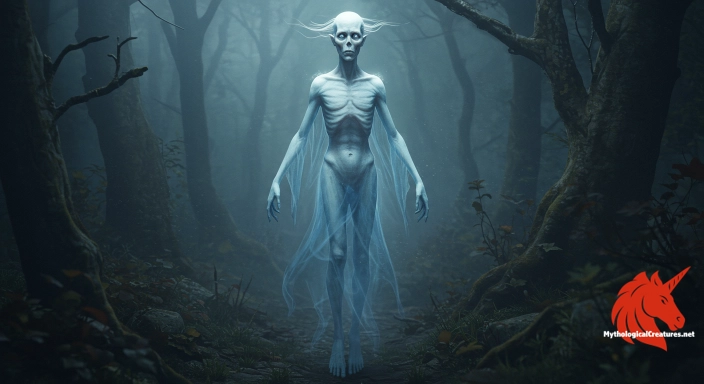
Dare to Meet the Cyhyraeth....
Curated by the Mythological Creatures Team
Series editor: Mythological Creatures Directory
Primary desk: Northern & European Folklore Desk
(rev. November 2025)