
Enlil: Enlil is an ancient Mesopotamian god of wind, air, earth, and storms, revered as the chief deity of the Sumerian pantheon.
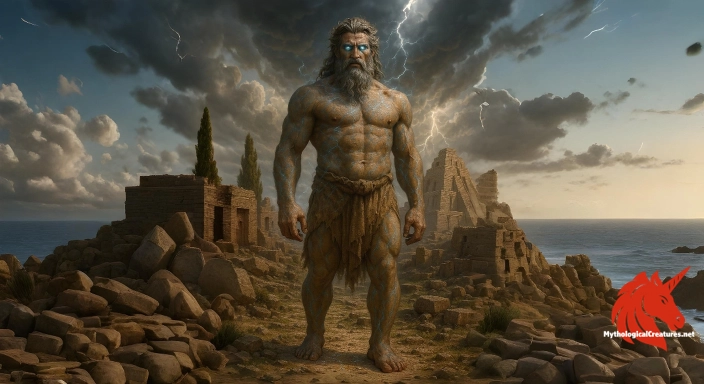
Enlil
Enlil - Enlil is pivotal to ancient Near Eastern cosmogony and religious practice, symbolising both creative and destructive divine forces
the legend in five swipes.
the legend in five swipes.
The Earliest Known Accounts of Enlil
Enlil stands as one of the most prominent deities in ancient Mesopotamian civilisation, embodying the elemental forces of wind, air, earth, and storms. His origins are deeply rooted in the Sumerian tradition, where he was venerated as the chief god whose authority prevailed over the cosmos. Early attestations, dating back to the twenty-fourth century BC, cement his role as the divine architect who separated heaven from earth. The connection between Enlil and the establishment of civilisation is evident in the sacred texts that associate him with agriculture, craftsmanship, and the very laws of nature. His central cult, centred around the hallowed Ekur temple in Nippur, underscored his influence over both the celestial and terrestrial realms. Over time, his identity evolved through variations such as Elil and Ellil, reflecting the syncretism within the diverse cultures of Mesopotamia. He was celebrated as a deity whose holiness was so immense that even other gods had to maintain a respectful distance. The narrative of Enlil is interwoven with the creation myths that provided order to chaos and shaped the destiny of humankind. His mythic stature and enduring presence in ancient lore continue to intrigue scholars and enthusiasts alike. The reverence for Enlil represents a legacy of power, wisdom, and the profound connection between nature and the divine.
Where can you read about Enlil?
The extensive corpus of cuneiform tablets and ancient hymns provides a rich backdrop to the mythos of Enlil. Many of the earliest records stem from Sumerian texts, where his heroic deeds and commanding authority were meticulously documented in ceremonial compositions. The Eridu Genesis offers a variant narrative in which Enlil plays a pivotal role in both the bestowal and withdrawal of divine favour during a great flood. Equally compelling are the accounts preserved in the Atra-Hasis texts, where his actions oscillate between benevolent intervention and catastrophic retribution. Tales such as the myth of Enlil and Ninlil reveal intricate layers of desire, seduction, and the subsequent lineage of deities, adding complexity to his character. As his worship expanded to Akkadian and Babylonian territories, the stories were enriched with adaptations that reflected local religious sentiments. Multiple temple inscriptions, particularly from Nippur, reinforce his role as a mediator between the earthly and the heavenly. Even as some elements of his narrative differ across sources, a shared vision of a powerful, sometimes capricious god is consistently maintained. These varied records not only recount his exploits but also serve as testament to the dynamic process of myth-making over centuries. The compilation of these sources paints an intricate picture of a deity whose influence was as multifaceted as the cultures that revered him.
Enlil: Powers, Strengths and Vulnerabilities
Enlil is frequently depicted as a majestic, anthropomorphic figure whose presence radiates both regality and untamed natural energy. Traditional iconography often shows him with a long, flowing beard and a horned crown, both of which signify his divine status and unchallenged power. The artistic representations, whether on cylinder seals or in relief carvings, capture an intense gaze that seems to command the very forces of nature. He is typically portrayed draped in ceremonial robes and adorned with symbolic insignia that allude to his mastery over air and earth. Swirling motifs and dynamic gestures in these depictions evoke the movement of storm clouds and the rush of wind, suggesting his control over volatile natural elements. Over successive periods, variations in his portrayal reflect evolving artistic and cultural sensibilities, yet the core elements of power and authority remain unchanged. The detailed craftsmanship in these images emphasises both his human-like form and an abstract embodiment of cosmic energy. In some depictions, his stature is accentuated to appear larger than life, reinforcing his role as the preeminent cosmic force. While subtle differences exist among various artefacts, the overarching visual theme consistently portrays him as a formidable guardian of order and nature. These enduring physical representations continue to offer insights into the ways ancient communities visualised the divine.
Where in the world is Enlil known?
The veneration of Enlil exhibits notable regional diversity, reflecting the multifaceted nature of ancient Near Eastern religious practices. In Sumer, he was unequivocally regarded as the supreme deity, with his sanctum in Nippur serving as a spiritual and administrative epicentre. In contrast, Akkadian and Babylonian interpretations introduced nuanced changes, with his name and attributes often adapting to local linguistic and cultural frameworks. Some regions embraced variations of his character, integrating aspects of native deities and thereby creating hybridised forms of worship. Assyrian records, for example, interlace his narrative with themes of state power and military conquest, thereby highlighting his applicability to imperial ambitions. The Hurrians too adopted elements of his lore, tailoring his myth to align with their own religious sensibilities. Even within a single civilisation, differences in artistic style and ritual practice resulted in distinct local portrayals of Enlil. Communities often reimagined him as both a cosmic ruler and a patron of everyday pursuits such as agriculture and craftsmanship. This regional pluralism ensured that his myth was not static but rather evolved in dialogue with the societal and political contexts of each area. Such adaptability underscores the resilience of his myth and the universal appeal of his archetypal power.
Which figures are similar to Enlil?
Exploring the myth of Enlil through a comparative lens reveals striking similarities with the chief deities of other ancient cultures. Much in the way that Zeus embodied the authority of the Greek pantheon, Enlil held sway over both the heavens and the earth in the Mesopotamian tradition. Both deities command natural forces such as storms and have been credited with establishing cosmic order from primordial chaos. In Roman mythology, Jupiter’s role mirrors Enlil’s in that each represents the fulcrum of divine rulership and the enforce of natural law. The juxtaposition extends to other wind and sky gods, where the theme of commanding tempestuous elements unites them across cultural boundaries. While variations in iconography and narrative specifics abound, the central motif of a powerful, all-encompassing force remains consistent. These parallels highlight the universal human desire to explain natural phenomena through divine agency and provide an anchor for societal order. The interplay of destruction and beneficence inherent in these mythic figures further reinforces their status as complex embodiments of nature’s dual tendencies. Thus, Enlil stands as a vital link in a broader tapestry of ancient deities who personify both the beauty and ferocity of the natural world. His myth, therefore, serves as a fascinating bridge connecting diverse mythological frameworks through shared themes and symbols.
Why is Enlil still popular?
Over the millennia, Enlil’s legacy has transitioned from the epicentre of ancient worship to a symbol embedded within the broader cultural and literary imagination. Following the decline of his temple cult in Nippur and the rise of Babylonian supremacy under Marduk, his direct worship gradually diminished while his myth continued to inspire. His evolving narrative reflects how ancient societies reinterpreted divine figures to align with shifting political and cultural landscapes. Artistic depictions transformed over time, with his horned crown and authoritative demeanour reappearing in later mythologies and even in modern artistic reinterpretations. Contemporary scholars and enthusiasts alike find in Enlil a compelling study of how timeless themes—of power, chaos, and renewal—are woven into the fabric of civilisation. The deity’s complex character has also sparked imaginative reworkings in literature, film, and digital media, where his connection to elemental forces continues to captivate creative minds. In academic circles, Enlil’s myth provides a rich resource for understanding the evolution of religious thought in the ancient Near East. His enduring presence in cultural discourse illustrates how ancient narratives retain their potency across centuries. By symbolising the balance between destruction and creation, Enlil’s story remains a poignant reminder of the intricate relationship between humanity and the natural world. In every modern reinterpretation, his myth is reimagined as a timeless testament to mankind’s quest to understand both the sublime and the formidable aspects of existence.
Interesting Fact
An intriguing aspect of Enlil's mythology is the inherent contradiction in his character: he is responsible for both the sustenance of life through bestowing immortality and its devastation via catastrophic floods, reflecting the unpredictable and multifaceted nature of divine power.
Mythological Treasures
Chinese Beasts: A field guide to the dragons and demon kings of Chinese myth
From river dragons to demon kings, with the legends that shaped five thousand years of storytelling.
Japanese Yokai: A field guide to the spirits and demons of Japanese folklore
Fifteen spirits, with the signs to watch for and what the old tales say to do if you meet one.
Greek Myths: A field guide to the monsters of ancient Greece
Every monster here earned its place in legend, and each gets a full page of artwork and the story behind it.
the legend in five swipes.
Mythology-aligned partners
Showcase your myth-friendly brand here
Run a store, studio, or platform that lives in the world of myth and folklore? A curated sponsor panel on these pages may fit.
Explore partnership optionsQuick Creature Info
Origin:
Associations:
Our Mythic Legendary Rating:

Also Sometimes Known As:
Habitat:
Supernatural Powers:
Physical Attributes:
Abilities:
Behavior:
Weaknesses:
Lore:
References
Discover Another Mythical Legend You May Not Have Heard Of?
Uncover the mysteries of ancient folklore and expand your knowledge of legendary beings from cultures around the world.
Dare to Meet the Amy....
-6c8969eb-190e-489a-a7d9-4178927533b7_small.webp "Depiction of Amy")
The Mythological Creatures Book Series
Yokai, Greek, Norse, Egyptian & Chinese. Five illustrated field guides to the creatures the old stories either warned or told you about.
Curated by the Mythological Creatures Team
Series editor: Mythological Creatures Directory
Primary desk: Hellenic & Ancient Mediterranean Desk
(rev. November 2025)