
Amy: Amy is a demon from Western demonological grimoires who manifests initially as a flame before turning into a human form.
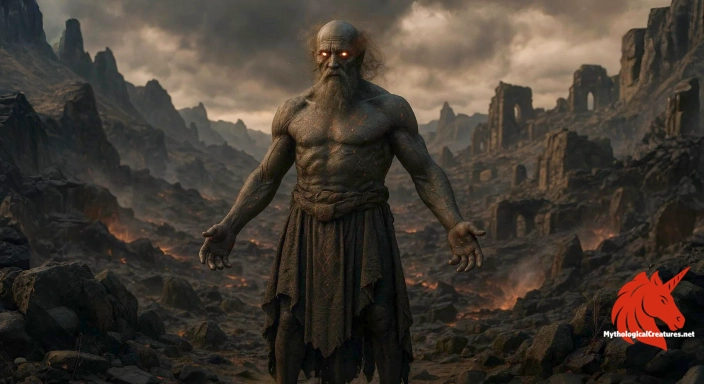
-6c8969eb-190e-489a-a7d9-4178927533b7_small.webp "Amy - Amy is a significant demon in occult literature, known for his scholarly teachings, leadership of 36 legions, and his hope to return to the seventh heaven.")
Amy
Amy - Amy is a significant demon in occult literature, known for his scholarly teachings, leadership of 36 legions, and his hope to return to the seventh heaven.
Origins & First Encounters
Amy emerges as a fascinating figure in the realm of demonology, embodying a blend of celestial brilliance and infernal mystery. His presence in grimoires and occult texts dates back to medieval times when scribes sought to catalogue the hidden orders of the supernatural. Celebrated also under the names Avnas, Auns, Hanar, and Hanni, he stands out for his unique ability to transition from a mesmerizing flame into a distinctly human form. His role as a demon president, commanding 36 legions, reflects a structured hierarchy that was integral to early esoteric systems. Intrinsic to his mythos is a duality that marries heavenly aspirations with infernal domination, symbolising a link between divinely inspired power and demonic ambition. His teaching of astronomy and the liberal arts offered not only forbidden knowledge but also a challenging invitation to explore the secrets of the universe. The transformation from flame to human encapsulates an enduring theme of change and revelation, suggesting that wisdom often comes through unexpected metamorphoses. The narrative of Amy enshrines both the allure of forbidden lore and the promise of hidden treasures, making him a compelling subject in demonological studies.
Source Texts & Tale Variants
The primary accounts of Amy are steeped in the rich tradition of demonological literature, with seminal texts like the Lesser Key of Solomon, Pseudomonarchia Daemonum, and the Munich Manual of Demonic Magic offering detailed portrayals. These grimoires present him as a potent demon who wields considerable influence by ruling over 36 legions, underscoring the intricate structure of the demonic hierarchy. Various versions, such as those contributed by Thomas Rudd, show subtle deviations in his attributed powers, including teaching the liberal arts and astronomy, and in some texts, even the revelation of treasures. In contrast, while most sources emphasise these attributes, the Munich Manual abstains from mentioning his role in unmasking treasures, adding a layer of variability to his myth. Some accounts also note his opposition to the angel Ieialel, a detail that hints at a broader cosmological conflict between demonic forces and heavenly orders. The texts blend ritualistic instruction with symbolic narratives, creating layered depictions that have evolved over centuries. Each account, whether in the scholarly compendiums of demonology or in more popular occult guides, contributes to a mosaic of interpretations. This multiplicity of sources enriches our understanding, inviting further exploration into the synergies between tradition, literary form, and mystical symbolism.
Form & Powers
Descriptions of Amy’s physical form evoke a striking visual transformation that captures the imagination. Initially, he is depicted as a radiant flame, a living embodiment of heat and light that flickers with an almost hypnotic intensity. This fire form is not chaotic but purposeful, exuding an aura of power that signals both danger and enlightenment. As the flame subsides, it gives way to a refined human appearance, one that is marked by a dignified bearing and an air of scholarly elegance. His human guise is often portrayed with meticulous attention to details, such as an intense gaze that mirrors the burning flame and a countenance that suggests wisdom and mystery. Variations in size and style are hinted at in different texts, sometimes presenting him as stately and imposing and other times as subtly charismatic. His duality is further symbolised by the interplay of light and shadow, reflecting a deeper narrative of transformation and hidden potential. The imagery of a flame transforming into a figure of flesh also invites reflection on the transient nature of form and the permanence of underlying essence. Overall, Amy’s depictions invite believers and scholars alike to ponder the intricate dynamics between the physical and the metaphysical.
Regional Faces
The figure of Amy has been variously interpreted across different cultural and regional contexts, reflecting local adaptations of European demonological traditions. In several Western texts, his depiction remains largely consistent, emphasising his dual nature and commanding authority over a host of demonic legions. Yet the alternative names—Avnas, Auns, Hanar, and Hanni—suggest that regional linguistic variations helped shape distinct yet related identities. In some traditions, he is integrated with local mythic frameworks that resonate with regional iconography of fire and transformation. Local occult practitioners might stress his instructional roles in the liberal arts and astronomy to intersect with broader scholarly and mystical traditions. The migration of his legend into different cultural spheres often saw a recalibration of his attributes, aligning him with regional symbols of enlightenment and rebellion. In certain occult circles, he is reinterpreted as both a facilitator of forbidden knowledge and an emblem of transformative energy, echoing local spiritual allegories. This regional variability reinforces the idea that mythological figures are fluid, adapting and evolving to meet the needs of diverse cultural narratives.
Cultural Parallels
When comparing Amy with analogous figures in myth and demonology, one sees recurring themes of duality and transformation that are common across different traditions. Figures in other occult texts sometimes share the role of being educators in arcane arts, merging the concept of wisdom with an inherently dangerous nature. His ability to inspire both enchantment and fear is reminiscent of several mythological entities who straddle the boundary between divine light and dark mystery. The motif of shifting from a non-human, elemental form to a corporeal human guise draws parallels with numerous transformation legends found in folklore worldwide. This comparative analysis reveals that while Amy occupies a specific niche in European demonology, his attributes resonate with broader symbolic patterns observed in diverse cultural stories. Such cross-cultural comparisons serve to highlight his role as an archetype that challenges conventional dichotomies between the sacred and the profane. By aligning his characteristics with those of other mythic figures who serve as reluctant guides to hidden knowledge, his narrative gains additional layers of interpretative richness. These parallels help to underscore the universality of myth, as similar themes recur in seemingly disparate traditions, reaffirming the timeless appeal of transformation, wisdom, and rebellion against limits.
Legacy & Modern Evolution
The enduring legacy of Amy in both historical and modern contexts speaks to the mutable nature of mythological narratives. Over the centuries, his role in demonology has evolved from being merely a fearsome presiding spirit to a more complex symbol of intellectual and transformative power. In historical texts, his teaching of astronomy and liberal arts imbued him with a stature that transcended his demonic origins, positioning him as a paradoxical figure that blended elements of wisdom with inherent danger. Modern interpreters, particularly within the realms of occult revival and fantasy literature, have reimagined him in diverse ways, sometimes emphasising his scholarly inclination and other times his potential for redemption. Contemporary artworks and fictional portrayals often depict him as a mentor-like character, albeit one shrouded in mystery and menace. This modern reinterpretation has allowed Amy to sidestep some of the more purely malevolent connotations traditionally associated with demons, instead serving as a symbol of the transformative journey towards enlightenment. His fluctuating narrative captures the imagination of new generations, who are drawn to stories that blend ancient lore with modern sensibilities. Ultimately, Amy’s historical evolution and modern legacy underscore his role as a versatile emblem of the endless human quest for knowledge, power, and transcendence.
Interesting Fact
Unique among demons, Amy is noted for his dual nature—initially a flame and then a human form—and for his hopeful aspiration to regain his place in the seventh heaven, reflecting a fascinating blend of infernal and angelic characteristics.
Limited sponsor opportunity
One slot, carefully chosen partners
We only feature a small number of relevant sponsors at any time. If you create serious myth content, we would like to hear from you.
Partner with usQuick Creature Info
Features:
Associations:
Our Mythic Legendary Rating:

Also Sometimes Known As:
Habitat:
Supernatural Powers:
Physical Attributes:
Abilities:
Behavior:
Lore:
References
Discover Another Mythical Legend You May Not Have Heard Of?
Uncover the mysteries of ancient folklore and expand your knowledge of legendary beings from cultures around the world.
Dare to Meet the Agares....
Curated by the Mythological Creatures Team
Series editor: Mythological Creatures Directory
Primary desk: Hellenic & Ancient Mediterranean Desk
(rev. November 2025)