
Fa'atiu: Fa'atiu is the Samoan wind and storm god, embodying the raw power of nature’s turbulence.

Fa'atiu
Fa'atiu - Fa'atiu represents the elemental forces of the wind and storms in Samoan culture, symbolizing both the benevolent and destructive facets of nature.
Origins & First Encounters
Fa'atiu is a captivating figure in Samoan mythology, revered as the wind and storm god whose essence mirrors the volatile beauty of the natural world. His origins can be traced to ancient oral traditions that celebrated the forces of nature and the unpredictable moods of the sky. Emerging from a rich cultural tapestry woven around the sea and weather, he has long fascinated those who live in harmony with the elements. Early attestations of his legend are found in traditional chants and mythic recitations that honoured the interplay between calm and tempest. His narrative encapsulates the duality of nature, wherein gentle breezes offer solace and mighty storms evoke a sense of sublime awe. The deity occupies a central position among a pantheon of gods whose domains stretch from the land to the endless ocean. Over centuries, his myth evolved in the context of seafaring and island life, symbolising both protection and the potential for destruction. Interwoven with tales of other divine beings, his story reflects the intrinsic respect for nature that has shaped Samoan identity. Fa'atiu remains a timeless emblem of the islanders' intimate relationship with the elements, inspiring both reverence and caution. His enduring presence continues to influence cultural rituals, art, and the collective imagination of Samoa.
Source Texts & Tale Variants
The primary sources surrounding Fa'atiu’s mythology primarily emerge from the rich oral traditions of Samoa, where legends were passed down through generations with a blend of poetry and performance. Various folklore narratives have preserved his exploits, often highlighting his role in the cosmic balance between gentle winds and raging storms. One notable story recounts how the trickster Ti’iti’i captured the winds in a canoe or calabash, leaving behind the free spirit of Fisaga, thereby underscoring the multiplicity of wind deities within the pantheon. These recounted events have been maintained in local chants and ritual songs, which served as both prayers and warnings to seafarers. Other variants of the legend integrate Fa'atiu into a broader context where each wind possesses distinct qualities and temperaments. Early accounts recorded by colonial observers and travellers, though fragmentary, hint at the deep-seated respect for this elemental force. Storytellers have variously portrayed him as both a benefactor who brings life-sustaining breezes and a fearsome presence that can herald destruction. Manuscripts and folkloric compilations from the 19th and 20th centuries further illuminate his narrative by capturing regional nuances and divergent interpretations. Modern researchers have also drawn upon these sources, ensuring that his myth continues to be dynamically reinterpreted within the evolving Samoan cultural landscape.
Form & Powers
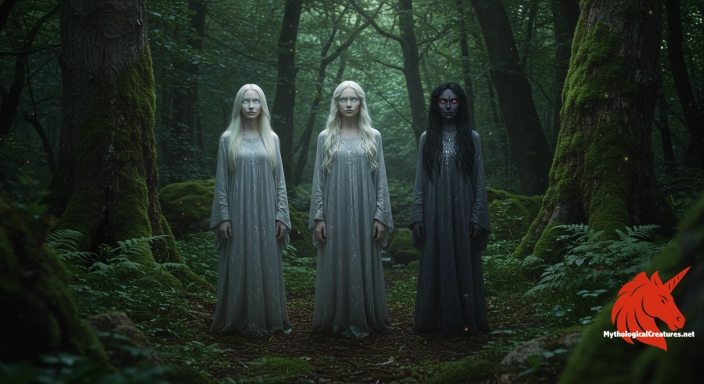
Traditional depictions of Fa'atiu evoke an image as ephemeral and dynamic as the wind itself, often rendered with an elegance that blurs the boundaries between the divine and the natural. His form is frequently illustrated as a fluid, elongated silhouette that seems to sway and blend into the atmosphere, symbolising constant movement. Artists have captured his essence through wild, cascading hair reminiscent of tumultuous clouds streaking across the sky. His eyes are occasionally portrayed as deep, swirling vortices that suggest both the calm and the fury of a brewing storm. Numerous carvings and paintings present him draped in robes or motifs that mimic the twisting patterns of gusts and eddies. Variations in his depiction sometimes allow him to appear as a towering presence above the waves, emphasising his dominion over the heavens and the sea. The interplay of light and shadow in these representations often reflects his dual capacity to nurture with a soft breeze or to wreak havoc with a fierce squall. Richly detailed ornamentation, including swirling lines and abstract symbols, highlights the cultural significance attributed to the elemental forces he embodies. His appearance, ever shifting yet powerfully evocative, perfectly encapsulates the transient beauty and might of natural wind and storm.
Regional Faces
While Fa'atiu is fundamentally a Samoan deity, his myth has variants that echo across the expansive realm of Polynesian culture. In neighbouring islands, similar wind deities emerge with overlapping characteristics, reinterpreted according to local environmental and cultural influences. Some regions accentuate his gentle aspects, portraying him as a benevolent spirit who brings refreshing air to parched lands and calm seas. In other adaptations, the narrative shifts to highlight his tempestuous side, thereby aligning him more closely with the destructive power of nature during violent storms. Local traditions sometimes merge his identity with those of other wind spirits, such as Fisaga, thereby creating a complex tapestry of elemental deities with intertwined fates. These regional interpretations reveal how communities utilise the myth of Fa'atiu to express a deep respect for both the creative and chaotic potential of the wind. Artistic expressions, including carvings and motifs on traditional artefacts, also vary subtly from one island to another, each version celebrating the particular environmental and cultural contexts in which they arise. Such diversity in representation underscores a broader Polynesian belief in the interconnectedness of nature and the divine. The regional variations serve to enrich his legacy and confirm the adaptability and enduring power of his myth across different cultural landscapes.
Cultural Parallels
Comparative mythology draws interesting parallels between Fa'atiu and wind gods across the globe, highlighting universal themes of nature’s unpredictable force. His role as a god of both gentle breezes and violent storms mirrors the narratives found in other Polynesian traditions, such as the Maori deity Tāwhirimātea who governs the weather with equal measures of benevolence and severity. In a broader context, similarities can be observed with figures like Aeolus from Greco-Roman lore, where wind itself is personified and mythologised as a dynamic power. Both Fa'atiu and these international counterparts symbolise the capricious nature of air, a force that can either nourish or devastate. Their stories are imbued with a duality that reflects the timeless human struggle to control and respect the natural world. Despite differences in cultural specifics, the shared symbolism in these myths underlines a collective recognition of wind as both a life-giving and potentially destructive presence. Artistic and literary interpretations across cultures often invoke these wind deities to express the beauty and terror inherent in natural phenomena. The comparative analysis not only illuminates unique cultural attributes but also connects disparate mythologies through common metaphors of change, power, and transience. Such cross-cultural narratives demonstrate the enduring appeal of wind deities as universal symbols of the natural world’s rhythm and unpredictability.
Legacy & Modern Evolution
Throughout the centuries, the myth of Fa'atiu has undergone a profound evolution, mirroring the changing relationship between humanity and nature. His story, rooted in ancient seafaring traditions, has adapted to modern perspectives where environmental awareness and cultural heritage blend seamlessly. Contemporary Samoan art, literature, and performance often reinterpret his legend as a symbol of resilience amid the challenges posed by natural forces. Modern festivals and community events sometimes evoke his image, celebrating the power of wind as a reminder of both the beauty and the unpredictability of nature. His legacy is interwoven with themes of ecological stewardship, particularly as modern societies strive to balance progress with respect for ancient wisdom. Scholars and cultural practitioners alike have revived traditional elements of his myth to support a broader revival of Samoan heritage in the face of globalization. The depiction of Fa'atiu has also been influenced by modern artistic trends, with innovative expressions that integrate traditional motifs and contemporary aesthetics. His myth continues to inspire discussions about the cyclical nature of creation and chaos, emblematic of societies living in close connection with the rhythms of the earth. This evolving narrative not only keeps his legend alive but also enriches the collective understanding of natural and cultural identity in modern times.
Interesting Fact
One intriguing aspect of Fa'atiu’s mythology is the narrative of imprisoned winds, which symbolically contrasts freedom with the forceful control of nature.
Mythology-aligned partners
Showcase your myth-friendly brand here
Run a store, studio, or platform that lives in the world of myth and folklore? A curated sponsor panel on these pages may fit.
Explore partnership optionsQuick Creature Info
Origin:
Features:
Associations:
Our Mythic Legendary Rating:

Habitat:
Supernatural Powers:
Physical Attributes:
Abilities:
Behavior:
Lore:
Related Creatures, Tales or Lore
- AAeolus
- FFūjin
- TTāwhirimātea
References
Discover Another Mythical Legend You May Not Have Heard Of?
Uncover the mysteries of ancient folklore and expand your knowledge of legendary beings from cultures around the world.
Dare to Meet the Ursitory....
Curated by the Mythological Creatures Team
Series editor: Mythological Creatures Directory
Primary desk: Asian & Pacific Myth Cycles Desk
(rev. November 2025)