
Fenodyree: The Fenodyree is a hairy supernatural household sprite from the Isle of Man.

Fenodyree
Fenodyree - Represents the benevolent aspect of supernatural beings in Manx tradition, assisting with domestic chores and symbolizing a harmonious relationship between humans and the spirit world.
the legend in five swipes.
the legend in five swipes.
Fenodyree: How the Story Began
The fenodyree is a fascinating figure rooted in the rich folklore of the Isle of Man and presents itself as a uniquely hairy supernatural being. It is traditionally understood as a kind of sprite or fairy, whose origins trace back to ancient Celtic traditions that emphasise the connection between nature and the spirit world. Over time, local storytellers came to attribute domestic assistance and kindly gestures to this creature, lending it a comforting presence in the household. Early attestation in Manx cultural records highlights its dual role as both mysterious and benevolent, echoing broader European traditions of helpful household sprites. The lore surrounding the fenodyree has been passed down through generations, often orally, weaving it into the fabric of community life on the island. It is said that the creature appears in unexpected moments to lend a hand in everyday chores, reflecting the deep interconnection between human endeavours and nature’s unseen forces. Its mythological roots are intertwined with the superstition and reverence for the natural world that characterised the early Manx society. As a result, the fenodyree occupies an intriguing space in local tradition, being both an agent of goodwill and a subtle reminder of the blurred boundaries between the natural and supernatural realms.
Fenodyree: From Oral Tale to Written Record
The primary sources for the fenodyree’s lore are the traditional oral narratives of the Isle of Man, later recorded by folklorists and local historians during the 18th and 19th centuries. Local manuscripts and collections of fairy tales mention the creature in a manner that suggests it was a persistent presence in the everyday lives of rural communities. Later written accounts and more systematic folklore studies have referred to the fenodyree in the context of broader British and Celtic supernatural traditions. Numerous local anecdotes describe encounters with this sprite, emphasising its role in domestic life and the occasional mischievous turn of events. Variants of its story have emerged over time, with some accounts portraying it as exclusively benevolent while others hint at a more ambiguous nature. The creature’s abilities often extend to repairing household objects and performing unseen tasks, adding layers of practical magic to its myth. In some recorded tales, the fenodyree is even depicted as a guardian of the natural world, subtly influencing the fortunes of those who respect the land. Despite the fragmented nature of its early attestations, the wealth of folklore available provides a rich tapestry that continues to affirm the creature’s enduring place in Manx cultural history.
Fenodyree: Appearance and Abilities
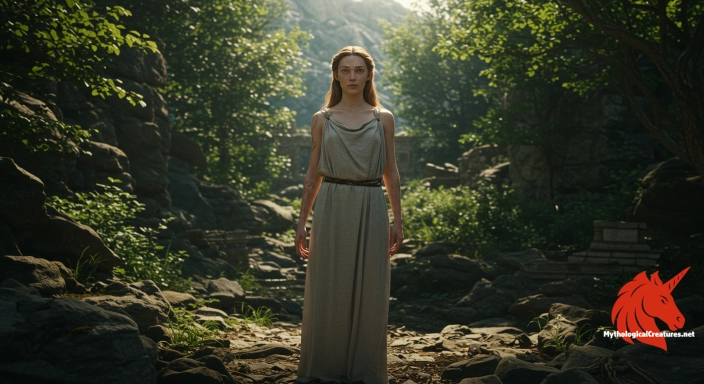
The fenodyree is most often described as a diminutive, hairy creature whose appearance straddles the line between the human and the animal. Its body is said to be covered in unkempt, shaggy hair that lends it a wild appearance, and its facial features occasionally reflect a mischievous glint behind twinkling eyes. The creature is typically depicted with a slight build, enabling it to move with surprising swiftness and agility despite its rugged exterior. Some descriptions detail it as having a slightly elongated face, with a subtle blend of human intelligence and animalistic instincts evident in its gaze. Illustrations and verbal accounts suggest a figure shrouded in simple, perhaps even ragged, attire that blends seamlessly with the natural surroundings. The fenodyree’s physical form seems designed for a life in the untamed outdoor spaces as well as in homely interiors, merging the worlds of the wild and the domestic. Size variations in different stories hint at an adaptability in form, sometimes appearing larger to the young or smaller when hidden from the untrained eye. All in all, the creature’s physical characteristics contribute significantly to its mysterious allure, evoking both warmth and a hint of the uncanny in its observers.
Fenodyree: Regional Differences in the Legend
While the fenodyree occupies a central role in Manx folklore, its depiction shares similarities with and also distinct differences from household sprites in neighbouring regions. In the Isle of Man, local narratives portray it as an integral part of daily life, often assisting with chores in a manner that is both endearing and utilitarian. In comparison, similar creatures such as the Scottish brownies and the English hobgoblins tend to have more fixed character roles, sometimes straddling the fine line between help and mischief. Regional tales on the Isle of Man often imbue the fenodyree with a strong connection to the natural landscapes that define the island, whereas neighbouring accounts may focus more on strictly domestic environments. The diversity in portrayal is evident in the slight differences in appearance and attitude; in some villages, the fenodyree is seen as a protector while in others it assumes a trickster role. Local adaptations also highlight the interplay between seasonal changes and the creature’s activity, suggesting that its presence might be tied to specific times of the year or agricultural cycles. As folktales traversed borders, the fenodyree’s core characteristics were adapted to fit varying cultural narratives, yet its underlying essence of benevolence remained a common thread. This regional variation underscores the rich dynamic of folklore, where a single creature can embody a range of qualities that resonate differently depending on local cultural needs.
Fenodyree: Similar Beings in World Folklore
In comparing the fenodyree with other similar entities from nearby mythological traditions, one finds striking parallels with brownies and other household sprites across the British Isles. Like the renowned brownies of Scotland, the fenodyree is known for its discreet assistance in the home, often working unseen and expecting nothing in return. It shares with these creatures a predisposition to acts of kindness and domestic maintenance, albeit with an extra hint of wildness owed to its distinctly hairy appearance. This creature also invites comparisons with other European fairy lore figures, such as the German kobolds or the French lutin, each contributing their own regional flavour to the archetype of the helpful yet elusive household spirit. While the brownies and the fenodyree both evoke imagery of tiny, domestic helpers, the fenodyree’s roots in the rugged and mystically imbued scenery of the Isle of Man provide it with a particularly untethered and earthy quality. This cross-cultural dialogue enriches the story of the fenodyree, fitting it into a broader narrative in which each culture adapts supernatural figures to reflect their own environmental and social realities. Moreover, the subtle distinctions in appearance and behavioural patterns serve to highlight how similar mythic functions are tailored to meet different communal values and expectations. In the end, the comparative study of these mythical beings illuminates a shared human desire to explain and negotiate the mysterious forces operating at the margins of everyday life.
Fenodyree in Books, Film and Games
Over the centuries, the fenodyree has evolved from a hidden, domestic spirit into a celebrated icon of Manx folklore with a vibrant presence in modern cultural expression. Contemporary retellings have embraced the creature as a symbol of the islands’ rich mythological heritage, often featuring it in literature, local art, and popular festivals. Its depiction has gradually shifted from one of mysterious domestic aid to a more nuanced character that embodies the harmony between human life and the natural world. In modern fantasy narratives, the fenodyree frequently appears as a quirky yet endearing figure who bridges the gap between ancient tradition and nineteenth-century romanticism. Tourism initiatives on the Isle of Man have also tapped into its charm, using the fenodyree as a means to evoke the island’s storied past and its mystical landscape. New interpretations often highlight the creature’s slight mischievous streak as a metaphor for the unpredictability of life, whilst still celebrating its enduring kindness. Educational programmes and cultural festivals now present the fenodyree in a variety of media, helping to keep the myth alive and accessible to new generations. As contemporary culture continues to explore and reinterpret traditional folklore, the fenodyree remains a vibrant symbol of the Manx spirit, reflecting both historical authenticity and the imaginative renewal of myth.
Interesting Fact
One interesting aspect of Fenodyree is its ability to remain unseen while actively engaging in household chores, underscoring the nuanced interplay of visibility and invisibility in fairy lore.
Mythological Treasures
Japanese Yōkai: A field guide to the spirits and demons of Japanese folklore
Fifteen spirits, with the signs to watch for and what the old tales say to do if you meet one.
Greek Myths: A field guide to the monsters of ancient Greece
Every monster here earned its place in legend, and each gets a full page of artwork and the story behind it.
Norse Sagas: A field guide to the beasts of the Viking world
Drawn from the saga accounts themselves, with the powers, weaknesses and doom of each being set out.
the legend in five swipes.
Reach myth fans
Connect your myth-driven brand with this audience
Our readers are writers, educators, gamers, and collectors who care about mythology. Enquire about a limited sponsor placement on creature pages.
Enquire about sponsorshipQuick Creature Info
Features:
Associations:
Our Mythic Legendary Rating:

Also Sometimes Known As:
Habitat:
Supernatural Powers:
Physical Attributes:
Abilities:
Behavior:
Weaknesses:
Lore:
Related Creatures, Tales or Lore
- BBrownie
- DDomovoi
- HHob (Household Spirit)
References
Discover Another Mythical Legend You May Not Have Heard Of?
Uncover the mysteries of ancient folklore and expand your knowledge of legendary beings from cultures around the world.
Dare to Meet the Idaea....
The Mythological Creatures Book Series
Yōkai, Greek, Norse, Egyptian & Chinese. Five illustrated field guides to the creatures the old stories either warned or told you about.
Curated by the Mythological Creatures Team
Series editor: Mythological Creatures Directory
Primary desk: Northern & European Folklore Desk
(rev. November 2025)