
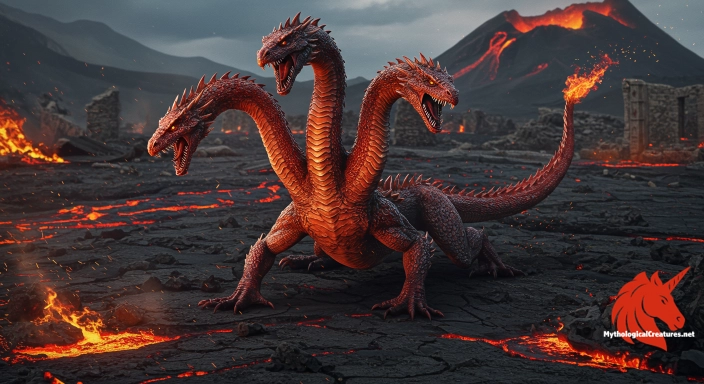
Fiery serpents: The Fiery Serpent is a malevolent, fire-infused spirit from Slavic folklore.
Fiery serpents
Fiery serpents - Symbolises the destructive and malevolent forces of fire in mythological narratives
the legend in five swipes.
the legend in five swipes.
Fiery serpents Origins: The Earliest Accounts
Fiery serpents have long fascinated those who delve into the mysteries of Slavic myth, emerging from a tradition rich in elemental symbolism and turbulent forces of nature. They are woven into ancient folk narratives, where the searing interplay of flame and shadow mirrors the unpredictability of human existence. Their earliest mentions surface in vocal traditions that predate written records, hinting at a time when natural disasters were imbued with divine portent. These creatures were understood not simply as myth but as embodiments of fire’s dual ability to both devastate and renew. As tales were passed down through generations, the serpents transformed into omens of both wrath and redemption. In a landscape where the struggle against a harsh environment was constant, the fiery serpent represented nature’s unrestrained power. The resulting legends speak of a force that not only brings ruin but also heralds transformation after calamity. Revered and reviled in equal measure, they became both a warning and a symbol of nature’s relentless energy. Over the centuries, their mythos has evolved, reflecting shifts in societal attitudes toward the natural world and the mysterious energies within it.
Fiery serpents: Manuscripts, Texts and Variants
Ancient manuscripts, folklore anthologies, and regional epics collectively shape the narrative of the fiery serpent, each contributing a unique perspective. Oral traditions, preserved by countless storytellers, depict the creature as a menacing harbinger of chaos amid desolate landscapes. Multiple folk ballads recount dramatic encounters where heroes confront the blaze and fury of this serpentine entity. Written compendiums of Slavic lore capture varied accounts, from near-mythical battles to subtle warnings embedded in everyday tales. Some narratives present the serpent as a manifestation of divine discontent, while others explore its ambiguous role in nature's cyclic renewal. Regional compilations reveal that the fiery serpent's character is not static but continuously refined by local experiences and historical memory. Folklorists have noted that these variations reflect the interplay of regional climates and cultural attitudes toward fire and destruction. Over time, both written records and the persistent art of oral storytelling have cemented the creature’s role in the cultural heritage of the Slavic peoples.
Fiery serpents: Powers, Strengths and Vulnerabilities
In the realm of visual imagination, the fiery serpent is portrayed as a colossal, sinuous creature, its form wreathed in an eternal, flickering flame. Its scales shimmer in hues of deep crimson and burnished gold, reminiscent of molten metal softened by the heat of a forge. Artworks frequently depict the beast with multiple venomous heads, each one exhaling a torrent of incendiary breath that lights up the encroaching gloom. Intricate patterns trace along its twisting body, echoing the erratic yet mesmerizing dance of fire itself. The creature’s eyes are often likened to glimmering coals, their intense glow capable of inciting dread at first glance. Representations vary dramatically, from depictions that render it as a massive figure dominating the skyline to images where it appears as a more subtle, yet no less potent, force of nature. Its undulating form suggests both ferocity and a kind of natural elegance, blurring the line between beauty and terror. Every artistic rendition underscores an aura of menace, transforming the fiery serpent into an indelible icon of both destructive power and captivating allure.
The Geography of the Fiery serpents Legend
The fiery serpent’s myth takes on distinct features as it spreads across the varied regions of the Slavic world, each locale adapting the creature to its own cultural landscape. In some Eastern European traditions, it is portrayed as a nocturnal terror that leaves a trail of incandescent light along its path. Ukrainian variants often reimagine the entity as a fearsome dragon intertwined with the cycles of agricultural renewal and the changing seasons. In Russian narratives, the serpent might be depicted with a darker, almost demonic aspect, its fiery presence linked to tales of divine retribution and cosmic disorder. In smaller communities, the creature frequently assumes the guise of an elemental spirit, where its fire is both a warning and a transformative blessing. Local adaptations also highlight regional environmental features, with some traditions merging the serpent’s image with natural phenomena like forest fires or volcanic eruptions. These variegated depictions stress the flexible nature of folklore, where a single mythic theme is reshaped by diverse social and geographical influences. Each regional telling enriches the overall tapestry of the fiery serpent’s legend, reflecting a collective cultural response to the awe-inspiring force of fire.
Fiery serpents: Cross-Cultural Comparisons
When examining global mythologies, the fiery serpent stands shoulder to shoulder with many fire-breathing entities from far-flung cultures. Western legends of dragons, for instance, echo similar themes as these scaled creatures are often seen as both custodians of forbidden treasures and agents of cataclysm. Near Eastern myths also offer serpentine figures whose burning presence symbolises both wisdom and ruthless power, establishing a cross-cultural motif of fire and transformation. In certain Asian traditions, dragons assume roles that parallel the fiery serpent’s dual nature, with a balance of benevolence and intimidation. While the moral attributes may differ – some cultures revere their dragons, whereas Slavic lore typically casts the fiery serpent in a more ominous light – the visual kinship is unmistakable. This shared imagery of serpentine forms coupled with the element of fire points to a universal human fascination with nature’s raw power. The recurring theme of a serpentine guardian or menace, ignited by flames, underscores a collective mythic language that transcends national borders. Through these comparative lenses, the fiery serpent emerges as a potent symbol of elemental chaos and transformative energy, linking diverse mythological traditions in their portrayal of the natural world.
Fiery serpents: Modern Retellings and Reinventions
The legacy of the fiery serpent continues to permeate modern culture, its enduring image finding new life in contemporary art and media. Modern fantasy literature frequently reinterprets the ancient beast, imbuing it with complex attributes that echo both its fearsome heritage and a capacity for rebirth. Its potent visual motif is a favourite among illustrators and graphic novelists who capture its dynamic interplay of light and shadow. As the creature transitioned from myth to modern storytelling, it became a symbol not only of destruction but also of the inherent potential for transformation. Video games and cinematic adaptations draw on the fiery serpent’s rich symbolic lineage, portraying it as a force that challenges both heroes and the natural order. In these modern narratives, the creature often represents the conflict between chaos and control, echoing age-old warnings about the perils of unchecked power. Contemporary reinterpretations allow for a more nuanced understanding, where the serpent’s fire is both a destructive and purifying element. Its presence in modern discourse attests to the timeless appeal of myth, ensuring that the fiery serpent remains a compelling and transformative figure in the realm of cultural imagination.
Interesting Fact
One intriguing aspect of the Fiery Serpent is its dual nature as both a physical beast and a supernatural spirit, merging tangible menace with mystical powers.
Mythological Treasures
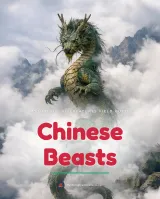
Chinese Beasts: A field guide to the dragons and demon kings of Chinese myth
From river dragons to demon kings, with the legends that shaped five thousand years of storytelling.
Japanese Yōkai: A field guide to the spirits and demons of Japanese folklore
Fifteen spirits, with the signs to watch for and what the old tales say to do if you meet one.
Greek Myths: A field guide to the monsters of ancient Greece
Every monster here earned its place in legend, and each gets a full page of artwork and the story behind it.
the legend in five swipes.
For indie creators
Give your myth project a permanent home
Indie authors, artists, small studios, and makers can secure an annual, non-intrusive sponsor slot that meets readers where they explore.
Obtain more informationQuick Creature Info
Features:
Associations:
Our Mythic Legendary Rating:

Also Sometimes Known As:
Habitat:
Supernatural Powers:
Physical Attributes:
Abilities:
Behavior:
Weaknesses:
Lore:
References
Discover Another Mythical Legend You May Not Have Heard Of?
Uncover the mysteries of ancient folklore and expand your knowledge of legendary beings from cultures around the world.
Dare to Meet the Mamlambo....

The Mythological Creatures Book Series
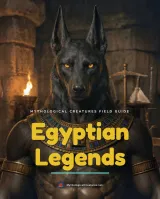
Yōkai, Greek, Norse, Egyptian & Chinese. Five illustrated field guides to the creatures the old stories either warned or told you about.
Curated by the Mythological Creatures Team
Series editor: Mythological Creatures Directory
Primary desk: Northern & European Folklore Desk
(rev. November 2025)