
Gallu: Gallu are demonic entities from ancient Mesopotamian religion.
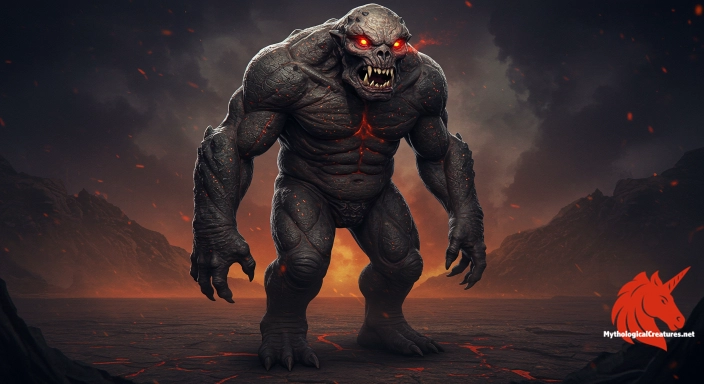
Gallu
Gallu - Gallu demons symbolise the malevolent forces of the underworld and the Mesopotamian understanding of death and punishment
Origins & First Encounters
Gallu are among the most formidable demons that emerge from the early mythologies of ancient Mesopotamia. They appear in a range of texts and iconographies as malevolent beings inhabiting the underworld. Their origins stretch back to the Sumerian era, where they were initially conceived as agents of chaos and death. Over time, their depiction was inherited and elaborated upon in Akkadian, Babylonian, and Assyrian traditions, cementing their role as fearsome adversaries. The concept of Gallu blends the symbolic powers of the underworld with the human need to explain misfortune and mortality. They were often portrayed as forces that disrupted the natural order, inspiring rituals and incantations aimed at their appeasement or expulsion. Early cuneiform tablets suggest that these demons were integral to the cosmological narratives about life, death, and rebirth. Their enduring presence in myth underlines their importance as a bridge between the divine and the terrestrial, reflecting a culture deeply engaged with the mysteries of death and the beyond.
Source Texts & Tale Variants
The earliest mentions of Gallu are found in a variety of ancient cuneiform texts, where they are included in liturgical and incantatory literature. Multiple sources document their fearsome reputation, particularly in rituals designed to protect the living from malevolent influences. They appear in the backdrop of myths that recount the descent into the underworld, where their presence serves as a warning of the perils awaiting mortals. In some texts, Gallu are described as executing divine punishment, and their narrative is interwoven with that of other underworld deities. Variants of these stories show them not merely as agents of chaos, but as complex beings whose roles oscillate between guardianship and terror. Some tablets suggest that the invocation of their names was part of ritualistic practices intended to harness or repel their power. Their story evolves across different literary traditions, reflecting changing perceptions of the demonic and the divine. The multiplicity of these accounts provides a dynamic view of Gallu, evident in both official religious texts and popular folklore of the period.
Form & Powers
Descriptions of Gallu in artistic and literary sources emphasise a fearsome and otherworldly appearance. They are often depicted with a distorted anthropomorphic form, with exaggerated features that blend human and beastly characteristics. Horns, elongated limbs, and clawed hands are common motifs that signal their demonic lineage. In some portrayals, their eyes burn with an inner fire, symbolising the intensity of their malefic nature. Their skin is depicted in dark, shadowy tones, reinforcing their connection to the gloomy realms of the underworld. There are hints in various texts that their form could vary in size and shape, with some images suggesting a titanic presence while others evoke a more insidious, creeping menace. The chaotic assembly of features in their descriptions reflects a broader symbolic representation of disorder and fear. This fluidity in physical portrayal ensured that Gallu remained mutable symbols of dread, adapting over time to fit the needs of different ritualistic and narrative traditions. Such vivid artistic depictions underscore their role as embodiments of supernatural terror.
Regional Faces
While the figure of Gallu maintained a core set of characteristics, regional variations in ancient Mesopotamian cultures allowed for diverse interpretations of their mythos. In Sumerian narratives, they are sometimes depicted as primordial entities emerging from the earliest cosmic struggles. In contrast, later Akkadian and Babylonian texts tend to embed Gallu in a more structured underworld framework, where their actions are closely linked to divine retribution. These regional adaptations often reflect local environmental and religious influences, modifying both their appearance and their perceived function. In some city-states, Gallu were envisioned as protectors of the boundaries between life and death, albeit in a paradoxical manner that made them both guardians and threats. Written and visual records display subtle shifts in emphasis, such as highlighting their bestial features in some areas while accentuating their human-like aspects in others. The interplay between local tradition and broader Mesopotamian beliefs ensured that the demon’s myth remained both influential and flexible. Such diversity within the Gallu myth provides rich insights into how different communities understood the forces of chaos and the supernatural.
Cultural Parallels
When examining Gallu alongside similar figures in neighbouring mythologies, striking parallels become apparent. Like many infernal beings across the ancient Near East, Gallu embody the dual nature of destruction and order, serving as both enforcers of divine justice and symbols of existential dread. Comparisons can be drawn with entities such as the Hebrew shedim, who also occupy a fringe space between the mortal realm and chaotic supernatural realms. In the Greco-Roman tradition, chthonic deities and spirits share characteristics with Gallu, particularly in their association with the mysteries of death and rebirth. The common thread among these deities is their function as mediators between the known and the unknown, bridging tangible reality with the metaphysical. Such comparative analysis reveals that despite regional differences, cultures often converge on similar archetypes to express their deepest fears and understandings of mortality. The consistent presence of a demonic figure in various mythologies underscores a universal engagement with dark and transformative energies. Modern reinterpretations continue to draw on these ancient motifs, highlighting enduring cross-cultural resonances that make Gallu and their counterparts a rich subject for mythological study.
Legacy & Modern Evolution
The legacy of Gallu stretches from ancient rituals to the modern imagination, adapting continually as cultural perspectives evolve. Initially portrayed in early cuneiform documents as agents of cosmic disorder, Gallu eventually came to symbolize the inexorable forces of death and divine retribution. Over centuries, their mythos was reshaped by successive empires and the changing demands of religious thought in the region. In later periods, aspects of Gallu were absorbed into broader demonological systems, influencing how evil and the underworld were conceptualised. This evolution carried forward into modern popular culture, where echoes of Gallu appear in literature, film, and role-playing games that explore themes of dark magic and otherworldly terror. Contemporary interpretations often amalgamate their ancient attributes with modern horror cues, rendering them as both relics of a lost civilisation and timeless symbols of the human confrontation with the unknown. Modern scholarship continues to study Gallu, exploring not only their historical importance but also their symbolic relevance in discussions about mortality and fate. The persistence of these demonic figures in the modern psyche highlights the enduring allure of ancient mythologies and their capacity to speak to universal human fears.
Interesting Fact
Despite their terrifying reputation, the Gallu demons were integral to Mesopotamian rituals surrounding death, embodying the inescapable nature of mortality and the divine order of the afterlife.
For myth educators and toolmakers
Built a resource for mythology learners?
If you offer courses, teaching tools, or research platforms focused on myth and folklore, consider a discrete placement on our reference pages.
Introduce your resourceQuick Creature Info
Origin:
Our Mythic Legendary Rating:

Also Sometimes Known As:
Habitat:
Supernatural Powers:
Physical Attributes:
Abilities:
Behavior:
Lore:
References
Discover Another Mythical Legend You May Not Have Heard Of?
Uncover the mysteries of ancient folklore and expand your knowledge of legendary beings from cultures around the world.
Dare to Meet the Brag....
-daf3a0bb-324e-4e16-9782-3773a5db2137_small.webp "Depiction of Brag")
Curated by the Mythological Creatures Team
Series editor: Mythological Creatures Directory
Primary desk: Hellenic & Ancient Mediterranean Desk
(rev. November 2025)