
Glashtyn: The Glashtyn is a legendary shape-shifting creature from Manx folklore, known for its deceptive appearances ranging from a goblin to a water horse.
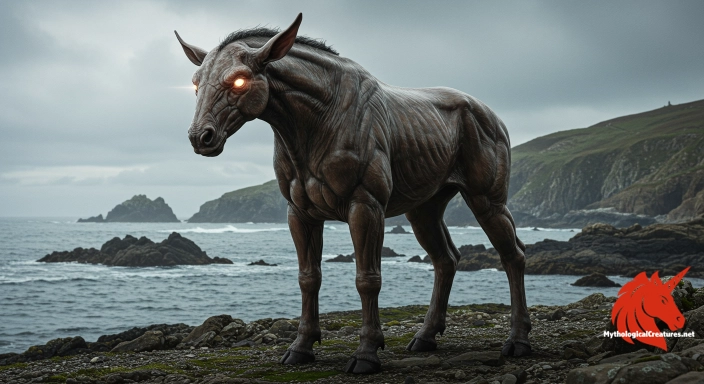
Glashtyn
Glashtyn - Embodies the mysterious and dangerous aspects of aquatic folklore in the Isle of Man, serving as both a cautionary tale and a symbol of transformation.
Origins & First Encounters
Glashtyn is a mystifying figure entrenched deeply in Manx folklore that has been transmitted through generations by the island’s inhabitants. Its origins are enshrouded in the mists of an ancient past, where lively oral traditions coloured the region’s mythic landscape. The creature frequently emerges from its aquatic habitat to interact with local communities, blending the natural with the supernatural. Early attestations describe it as a goblin before later accounts reveal its ability to transform into equine forms. Observers on the Isle of Man have recounted eerie sightings on foggy nights, adding layers to its mystique. Over time, narratives have reflected the deep interconnection between natural forces and human experience on the island. The Glashtyn’s varied manifestations, from a shapeshifting goblin to forms reminiscent of a water horse or water bull, showcase a rich tradition of storytelling. Each recounting embeds a cautionary note or an element of wonder, reminding listeners of nature’s unpredictable powers. Its enduring presence in local tradition is a testament to the cultural importance of myth in shaping community identity.
Source Texts & Tale Variants
The earliest records of Glashtyn stem from oral traditions that were carefully preserved and later documented by keen folklorists. Multiple story variants have emerged over time, each adding a unique twist to its mysterious character. Some narratives detail a mischievous goblin emerging from dark waters, while others portray it as a refined colt or a noble water horse. An alternative version casts the creature as a formidable water bull, blending bovine and equine qualities. One popular tale recounts how Glashtyn pursued a woman, prompting her desperate escape by cutting the skirt-hem—a motif that underscores both danger and ingenuity. In another modern twist, a rooster’s crow signals the woman’s escape while revealing the creature’s deceptive disguise as a handsome man with betraying horse-ears. The fluidity of its nature has allowed storytellers to adapt its appearance to various cultural settings, ensuring that each retelling resonates with local traditions. Written records, though limited, hint at a rich interplay between myth and daily life on the Isle of Man. Each variant contributes to a colourful mosaic of belief, sustaining the legend’s vitality across generations.
Form & Powers
Accounts of the Glashtyn offer an array of intriguing descriptions that mirror the multifaceted nature of its legend. Some portray it as a slight goblin with damp, glimmering skin that hints at its aquatic origins. Other narratives confer on it the majestic form of a colt or water horse, complete with a flowing mane and an ethereal glow that enlivens its equine guise. In versions where it appears as a water bull, it is depicted with a robust build that marries the strength of a bovine with the grace of an equine. Its eyes are often described as luminous beacons, reflecting the depths of murky waters under moonlit skies. Distinctive features such as elongated, sensitive ears and a sleek, sometimes scaly hide contribute to its elusive charm. Variations in size and shape—from a diminutive impish figure to a commanding spectral steed—enhance its enigmatic allure. Every physical attribute, mutable and mysterious, seems designed to both seduce and warn. These vivid details combine to create an image of a creature that is as fluid and changeable as the waters from which it emerges.
Regional Faces
While the Glashtyn is deeply rooted in Manx tradition, its legend resonates with echoes from neighbouring Celtic and Gaelic cultures. On the Isle of Man it is primarily seen as a water-bound goblin capable of mystical shape-shifting, a reflection of the region’s unique interplay between land and sea. In some local recountings, the creature is portrayed as a water horse or even a water bull, a variance that speaks to the island’s diverse storytelling traditions. Storytellers in neighbouring regions have adapted similar water-centric beings to align with their own environmental and cultural contexts. Variations in its portrayal often mirror local customs, with some communities emphasising its mischievous nature while others regard it as an ominous harbinger. The geographical features of coastal areas, bogs, and wetlands contribute to these localized versions, linking the creature indelibly to its setting. Cultural festivals and oral recitations help maintain these regional interpretations, each adding depth to the overall mythos. Despite these differences, the Glashtyn consistently embodies a connection to water and the mystery that resides at nature’s boundaries. Such regional diversity enriches its legend and underscores the adaptive power of folklore as it passes through time and space.
Cultural Parallels
The Glashtyn finds compelling parallels with mythological water entities found in other Celtic traditions, most notably the Scottish kelpie and the Irish púca. Much like the kelpie, it possesses a dual nature that is both beguiling and perilous, enticing victims before revealing a darker side. Its ability to morph between forms—whether as a goblin, a water horse, or a water bull—mirrors the shape-shifting legends common to many water spirits. The recurring themes of seduction, transformation, and retribution are central to both the Glashtyn and its cultural counterparts, reflecting a shared fascination with the enigmatic power of water. Such creatures often serve as metaphors for the unpredictable and untamed forces of nature. Despite regional differences, these water-bound beings consistently display a blend of charm and threat, challenging the boundary between the natural and the supernatural. Their stories have been used to caution against the perils of venturing too close to dangerous waters or succumbing to beguiling appearances. This comparative analysis highlights a common narrative thread within Celtic folklore, where mythology serves as a bridge between cultural experiences of nature’s mysteries. In doing so, the Glashtyn stands as a vital link in a broader tapestry of legends that celebrate and warn of nature’s dual nature.
Legacy & Modern Evolution
The tale of the Glashtyn has transcended its oral origins to become a potent symbol of Manx cultural identity and mystical heritage. Over the centuries, its depiction has evolved from a stark, cautionary figure into a multifaceted emblem that resonates in contemporary art and literature. Modern interpretations often celebrate its playful trickster side alongside its more ominous aspects, presenting a being that is both awe-inspiring and cautionary. Contemporary retellings in festivals, theatre, and digital media have introduced the Glashtyn to new audiences, ensuring its relevance in a modern cultural landscape. This evolution reflects broader shifts in societal values, where the boundaries between myth and modernity blur. The creature is now celebrated in artistic expressions that honour its ancient roots while reimagining its attributes for a new era. Its legend continues to inspire local storytellers, historians, and artists, serving as a dynamic bridge between past traditions and future creativity. The enduring legacy of the Glashtyn speaks to the timeless appeal of folklore and its ability to adapt to changing cultural contexts. Even as modern perspectives shape its image, the creature remains a living symbol of the mystery and beauty inherent in the natural world.
Interesting Fact
An intriguing aspect of Glashtyn lore is its dual portrayal as both a beguiling trickster and a dangerous predator, capturing the complex interplay of beauty and brutality in Manx mythology.
For publishers and studios
Your next readers are already here
Many of our visitors are looking for books, campaigns, and resources that deepen their journey into myth. Position your title or setting here.
Discuss a placementQuick Creature Info
Associations:
Our Mythic Legendary Rating:

Also Sometimes Known As:
Habitat:
Supernatural Powers:
Physical Attributes:
Abilities:
Behavior:
Weaknesses:
Lore:
Related Creatures, Tales or Lore
- CCabbyl-ushtey
- KKelpie
- EEach Uisge
References
Discover Another Mythical Legend You May Not Have Heard Of?
Uncover the mysteries of ancient folklore and expand your knowledge of legendary beings from cultures around the world.
Dare to Meet the Moñái....
Curated by the Mythological Creatures Team
Series editor: Mythological Creatures Directory
Primary desk: Northern & European Folklore Desk
(rev. November 2025)