
Gold-digging ant: The gold-digging ant is a mythical, oversized ant featured in classical and medieval bestiaries.
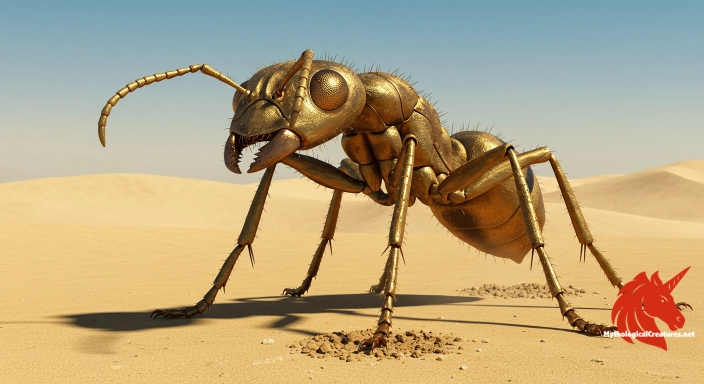
Gold-digging ant
Gold-digging ant - Embodies the mysterious interplay between natural phenomena and myth, symbolising hidden wealth and nature’s secret treasures.
the legend in five swipes.
the legend in five swipes.
Gold-digging ant: Where the Legend Started
The gold-digging ant emerges as one of the most fascinating and enigmatic figures from the world of myth and bestiary lore. Its legend spans from the classical era through the medieval period, where vivid accounts detailed a creature of unusual size and purpose. The creature is described as being as large as a domestic dog or a fox, a striking departure from the common perceptions of ants. Its remarkable ability to unearth gold from sandy burrows captivated those who encountered or read about it, making it a symbol of nature’s hidden wealth. The origin story is layered and complex, with roots that appear to extend into ancient geographical imaginations. Some narratives set its genesis in the mysterious lands of Ethiopia, while others place it amid India’s storied deserts. Its myth served both as a literal explanation for the presence of gold and as an allegory for unexpected treasures in nature. Over time, in the interplay between reality and myth, the gold-digging ant grew into an enduring emblem of the enchanted and unpredictable bounty of the earth.
Gold-digging ant: The Written Sources
The earliest accounts of the gold-digging ant are found in classical texts that have been passed down through medieval bestiaries. Rich narrative details appear in the Physiologus, where the creature’s origins and peculiar behaviour are described with a blend of wonder and caution. Herodotus is also cited in certain strands of its legend, adding geographical intrigue by placing the creature in the distant lands of India. Various ancient manuscripts contribute layers to its story, each embellishing its remarkable ability to excavate veins of gold. Later medieval retellings expanded upon these initial descriptions, imbuing the creature with additional symbolic significance. Manuscript traditions sometimes reflect contrasting accounts regarding its size, habitat, and even its anatomy, highlighting the fluidity of myth. The gold-digging ant’s narrative is enriched by these diverse textual sources which continue to inspire reinterpretation. Details from these varied sources ensure that each rendition remains a captivating tapestry of myth, mystery, and natural wonder.
Gold-digging ant: Form, Powers and Weaknesses
The creature is most striking when one considers its physical descriptions, which portray it as an ant of extraordinary proportions. Visual depictions often show a robust exoskeleton that gleams faintly as though dusted with real gold. Its body, segmented and powerful, features well-defined mandibles that suggest both strength and a refined purpose in its unique task. The creature’s limbs are stocky and adapted to the rigours of digging through arid, sandy terrain, reinforcing its reputation as an industrious miner. In some artistic renditions, delicate yet intricate antennae add an air of sophistication to its otherwise rugged form. Occasional illustrations even include suggestions of small, almost vestigial wings, hinting at an evolutionary divergence from ordinary ants. Its eyes are often highlighted for their penetrating and reflective quality, mirroring the glint of the treasure it seeks. Despite variations in size and minute detail among sources, every portrayal underscores a creature that is both fearsome and fascinating, straddling the line between natural form and magical allegory.
How do regional versions of the Gold-digging ant differ?
The myth of the gold-digging ant exhibits notable regional nuances across different cultural landscapes. In certain Ethiopian traditions, the creature is revered as an emblem of the land’s deep-seated mineral riches, a natural phenomenon intertwined with local legends of prosperity. Contrastingly, in Indian narratives the ant is sometimes depicted amidst sweeping desert vistas where its relentless pursuit of gold echoes broader themes of survival and abundance. Middle Eastern and Mediterranean accounts contribute their own subtleties, often portraying the creature as a mysterious force that bridges the earthly and the otherworldly. Variations in these regional stories can be observed in the details of its size, the visual qualities of its appearance, and the nature of its habitat. Localised myths also imbue the creature with additional qualities, such as associations with luck or supernatural protective abilities. This regional diversity has enriched the overall myth, turning the gold-digging ant into a cosmopolitan symbol of nature’s hidden treasures. Its story, shaped by different cultural perspectives, remains a testament to the universal human fascination with the mysteries buried beneath the earth's surface.
How does the Gold-digging ant legend compare worldwide?
The gold-digging ant stands as a curious counterpart to other mythical creatures that represent the discovery of hidden wealth. In mythological traditions spanning continents, creatures such as dragons and phoenixes similarly encapsulate the dual aspects of danger and the promise of untold riches. The ant’s unique blend of insect anatomy and mammalian scale places it in an intriguing position among legendary animals, resonating with the universal allure of transformation and metamorphosis. Comparable stories in various cultures draw attention to natural beings that, like the gold-digging ant, are believed to guard or reveal treasures concealed beneath the earth. Its role in excavating precious metal draws parallels with other allegorical figures whose labours are seen as metaphors for enlightenment and reward. In both Eastern and Western mythic frameworks, similar creatures serve as symbols of both hope and caution, embodying the risks and rewards inherent in the pursuit of fortune. This interconnection encourages a broader reflection on how different societies conceptualise natural abundance and mystical intervention. Through comparative analysis, the gold-digging ant emerges not merely as an isolated myth but as part of a larger tapestry of legends that celebrate and interrogate the mysteries of wealth and nature.
Where do you see the Gold-digging ant today?
The transformation of the gold-digging ant from a tangible figure in ancient bestiaries to a symbol in modern myth reflects the evolving interplay of art, culture, and natural wonder. Early chroniclers focused on its literal ability to unearth gold, anchoring its identity in the physical world and the marvels of exotic geographies. Over time, as the nature of myth itself transformed, the creature’s attributes were reimagined in ways that underscore metaphorical and symbolic meanings. In contemporary interpretations, it often appears as an allegory for perseverance and the rediscovery of value in unexpected places. Modern fantasy literature and graphic arts have embraced the creature, reinterpreting its story to comment on themes such as environmental stewardship and the contrast between nature and human greed. The gold-digging ant’s enduring allure has cemented its place in popular culture, where it is celebrated at conventions, in digital art, and in imaginative storytelling. Its evolution from a literal excavator of treasure to a metaphorical icon reflects broader shifts in cultural perspectives on wealth and the natural world. Today, the creature continues to inspire artists, writers, and myth enthusiasts, proving that even the most ancient legends can adapt and thrive in the modern world.
Interesting Fact
An intriguing aspect of the gold-digging ant is how its exaggerated physical form and gold-excavating ability exemplify the medieval tendency to blend natural observation with imaginative lore.
Mythological Treasures
Chinese Beasts: A field guide to the dragons and demon kings of Chinese myth
From river dragons to demon kings, with the legends that shaped five thousand years of storytelling.
Japanese Yokai: A field guide to the spirits and demons of Japanese folklore
Fifteen spirits, with the signs to watch for and what the old tales say to do if you meet one.
Greek Myths: A field guide to the monsters of ancient Greece
Every monster here earned its place in legend, and each gets a full page of artwork and the story behind it.
the legend in five swipes.
Mythology-aligned partners
Showcase your myth-friendly brand here
Run a store, studio, or platform that lives in the world of myth and folklore? A curated sponsor panel on these pages may fit.
Explore partnership optionsQuick Creature Info
Features:
Our Mythic Legendary Rating:

Habitat:
Supernatural Powers:
Physical Attributes:
Abilities:
Lore:
Related Creatures, Tales or Lore
- SScarab Beetle
- MMyrmecoleon
- GGiant Indian Ant
References
Discover Another Mythical Legend You May Not Have Heard Of?
Uncover the mysteries of ancient folklore and expand your knowledge of legendary beings from cultures around the world.
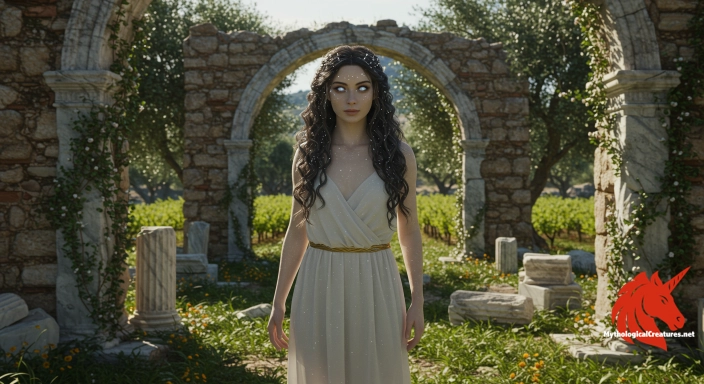
Dare to Meet the Semele....
The Mythological Creatures Book Series
Yokai, Greek, Norse, Egyptian & Chinese. Five illustrated field guides to the creatures the old stories either warned or told you about.
Curated by the Mythological Creatures Team
Series editor: Mythological Creatures Directory
Primary desk: African & Diaspora Traditions Desk
(rev. November 2025)