
Goranchacha: Goranchacha is a mythic cacique and prophet of the Muisca, reputed to be the son of the Sun god Sué.
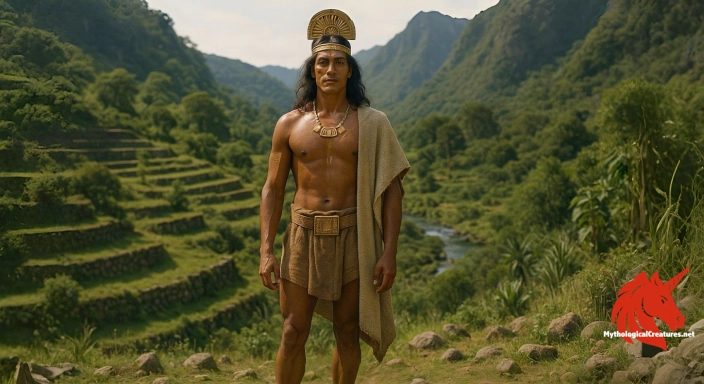
Goranchacha
Goranchacha - Goranchacha is a key figure in the mythological and cultural heritage of the Muisca, representing divine guidance and the integration of celestial influences in human leadership.
the legend in five swipes.
the legend in five swipes.
When was Goranchacha first written about?
Goranchacha stands as one of the most captivating legendary figures of the Muisca, embodying both leadership and divine connection. His narrative radiates from the depths of indigenous tradition, where he is venerated as a prophetic cacique endowed with celestial insight. Emerging in a mythic epoch, his story finds roots intertwined with the natural forces and cosmic order revered by his people. Many traditions recount that he was born of divine providence, linked intrinsically with Sué, the Sun god, which granted him an aura of otherworldliness. His legacy is particularly associated with the zacazgo of the northern Muisca Confederation, where he is celebrated for instituting moral and civil reforms. Goranchacha’s influence is depicted not only through his administrative prowess but also by his efforts in establishing rituals that connected daily life with cosmic rhythms. His life, as chronicled in oral lore and later documented by early chroniclers, reflects the synthesis of spirit and power in a leader. Over time, his myth has grown to symbolise the ideal of a ruler who unites earthly endeavours with celestial destiny. His enduring presence in cultural narratives underscores a timeless celebration of wisdom, fortitude, and the transformative potential of divine guidance.
What are the earliest texts about Goranchacha?
The primary accounts of Goranchacha's life are vibrant amalgamations of oral traditions and early colonial narratives. Although written sources are scarce, Spanish chroniclers and later ethnographic records have preserved fragments of his legend over centuries. These accounts, while often interwoven with myth, serve as vital sources for understanding the spiritual landscape of the Muisca people. Variations in narrative details have emerged as different storytellers adapted his story to suit local contexts. Some early writers focused on his divinely ordained role as the son of the Sun god Sué, while other accounts emphasised his human qualities and social reforms. Certain manuscripts describe him as a visionary who steered his society through periods of transformation and renewal. Indigenous oral traditions, passed down through generations, have enriched the written record with symbolic nuances and allegorical episodes. This layered tapestry of sources provides a multifaceted view of Goranchacha, ensuring that his myth continues to evolve in the minds of those who cherish Muisca heritage.
Goranchacha: Appearance and Abilities
Artistic depictions of Goranchacha capture an imposing figure whose physical appearance mirrors his exalted status. He is often portrayed with a noble bearing and a countenance that radiates an inner luminescence akin to the morning sun. His eyes, intense and wise, are said to reflect both the burden of leadership and the clarity of divine insight. Traditional representations describe him as possessing a statuesque build, suggesting both muscular strength and the grace of a ruler. He is frequently adorned in ceremonial attire that incorporates intricately woven fabrics and sun motifs, echoing his association with Sué. Details in various accounts often highlight a dignified posture and an expression imbued with authority and compassion. Some portrayals hint at a subtle glow around him, symbolising his unique connection to the solar realm. Although descriptions vary with artistic interpretation, the unifying theme is that his physical form served as a visual emblem of leadership and divine favour. Overall, the imagery of Goranchacha is one of majestic presence, merging the human with the mystical in every line and gesture.
Goranchacha: The Same Figure in Different Places
Regional narratives surrounding Goranchacha reveal a rich diversity in his portrayal across various Muisca communities and neighbouring groups. In certain localities, he is celebrated primarily as a spiritual guide whose divine ancestry underscores an eternal connection with the sun. Other regions, however, emphasise his role as a reformer and a civilising force who laid the foundations for social order. In areas closer to the heartland of the Muisca, his tale is interwoven with local agricultural traditions and rites that celebrate the cycles of nature. Differences in emphasis—ranging from his divine origin to his earthly achievements—illustrate how local cultures adapted his myth to resonate with their distinct social and environmental contexts. In some accounts, Goranchacha’s celestial lineage is accentuated to validate the authority of local leaders by linking them to the cosmos. Rural communities often celebrate his legacy through festivals and ritual performances that highlight his symbolic role as a mediator between nature and society. These regional adaptations demonstrate the fluidity of his legend, ensuring that his myth remains alive and meaningful amidst varying cultural landscapes.
How does Goranchacha compare to figures in other traditions?
Goranchacha’s myth finds intriguing parallels with legendary figures across diverse cultures, highlighting the universal motif of a divine progeny who assumes leadership. Much like the revered solar heroes of Mesoamerican traditions, his narrative encapsulates the idea of a ruler born under extraordinary circumstances with a destined connection to celestial powers. In other indigenous cultures, comparable figures are celebrated as both warrior and priest, bridging human endeavours with cosmic order—a similarity that enhances the appeal of his myth. His depiction as the son of a sun deity draws echoes from ancient Near Eastern and Egyptian traditions, where royalty was similarly associated with the light of the heavens. Just as the pharaohs were considered embodiments of Ra’s power, Goranchacha’s image carries the weight of divine sanction and the responsibility of moral governance. Cross-cultural comparisons reveal that such figures often serve to unite disparate elements of society under a common cosmological narrative. The recurring theme of divine intervention in the establishment of social and moral order is a testament to a shared human desire for leaders imbued with both strength and sacred wisdom. Thus, his myth not only reflects the cultural identity of the Muisca but also resonates with global archetypes of inspired, god-touched rulers.
Who tells the story of Goranchacha now?
Over the centuries, the myth of Goranchacha has undergone a dynamic evolution, incorporating layers of interpretation influenced by both indigenous tradition and colonial encounters. Originally preserved through oral narratives, his story has adapted to the challenges of historical change and modern reinterpretation. The symbolic stature of this legendary leader has been continually revised, reflecting shifts in cultural pride and identity among descendant communities. In recent years, academic studies and creative endeavours have sought to reclaim and revitalise his myth as a powerful emblem of indigenous resilience. Contemporary representations in visual arts, popular literature, and even political discourse underscore his enduring influence as a beacon of community and spiritual renewal. Modern festivals and cultural events often celebrate his legacy, reaffirming the connection between traditional beliefs and present-day aspirations. While some aspects of his story have been reimagined to suit modern sensibilities, the core themes of divine guidance and moral leadership remain steadfast. The evolution of his legend mirrors the broader journey of indigenous heritage in a rapidly changing world, offering both a link to the past and inspiration for the future. Today, Goranchacha stands not only as a mythic figure but as a symbol of the timeless interplay between the human spirit and the cosmic forces that govern our existence.
Interesting Fact
Goranchacha is one of the few South American mythological figures whose lineage directly connects him to a solar deity, underlining the sun's central role in indigenous cosmology.
Mythological Treasures
Japanese Yōkai: A field guide to the spirits and demons of Japanese folklore
Fifteen spirits, with the signs to watch for and what the old tales say to do if you meet one.
Greek Myths: A field guide to the monsters of ancient Greece
Every monster here earned its place in legend, and each gets a full page of artwork and the story behind it.
Norse Sagas: A field guide to the beasts of the Viking world
Drawn from the saga accounts themselves, with the powers, weaknesses and doom of each being set out.
the legend in five swipes.
Support the directory
Promote your myth project and fund more research
Sponsor placements help keep this directory growing and free to use while giving your work a focused, relevant audience.
Learn how sponsorship worksQuick Creature Info
Origin:
Associations:
Our Mythic Legendary Rating:

Habitat:
Supernatural Powers:
Physical Attributes:
Abilities:
Behavior:
Lore:
Related Creatures, Tales or Lore
- BBochica
- MManco Cápac
- QQuetzalcoatl
References
Discover Another Mythical Legend You May Not Have Heard Of?
Uncover the mysteries of ancient folklore and expand your knowledge of legendary beings from cultures around the world.
Dare to Meet the Walgren Lake Monster....
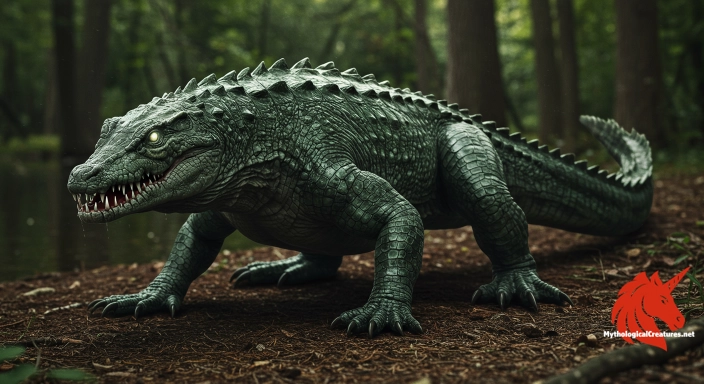
The Mythological Creatures Book Series
Yōkai, Greek, Norse, Egyptian & Chinese. Five illustrated field guides to the creatures the old stories either warned or told you about.
Curated by the Mythological Creatures Team
Series editor: Mythological Creatures Directory
Primary desk: Americas & Indigenous Traditions Desk
(rev. November 2025)